Joybuy Insights

A Guide to Matcha Powder in the UK: Our Top Recommendations for 2026

The vibrant green hue of matcha has moved from niche tea houses to become a staple in kitchens across the UK. Whether you are seeking a mindful alternative to your morning coffee or a simple way to create café-style lattes at home, the world of matcha powder can seem complex. With terms like ceremonial grade, instant mixes and unsweetened powders, choosing the right product for your needs can be a challenge.

As a Joybuy Product Recommendation Officer, my role is to help you navigate these options. This guide is designed to clarify the differences between popular matcha products and provide practical advice, helping you select a matcha that fits your lifestyle and taste preferences.

How to Choose Your Matcha Powder

Before diving into our recommendations, here are a few key points to consider when you are browsing for matcha green tea powder.

1. Pure Powder vs. Instant Latte Mix

Your first decision is often between versatility and convenience.

  • Pure Matcha Powder: This is 100% ground green tea leaf. It offers complete control over the final taste, sweetness and texture of your drink. It is the go-to choice for making traditional tea, creating a matcha for lattes from scratch with your choice of milk and sweetener, or for culinary uses like baking and smoothies.
  • Instant Matcha Latte Mix: These products combine matcha powder with other ingredients like sugar, milk powder and creamers. A sweetened matcha powder or matcha latte mix provides ultimate convenience—just add hot water or milk for an instant beverage. They are perfect for busy mornings or for those who prefer a consistently sweet and creamy drink without any fuss.

2. Origin and Colour

The quality of Japanese green tea is often reflected in its appearance and flavour. While a deep dive into tea farming is not necessary, a simple visual cue can be very telling. High-quality matcha typically has a brilliant, vibrant green colour. A dull, yellowish or brownish-green powder may indicate lower quality or older stock, which can result in a more bitter taste.

3. Read the Ingredients

Always check the label. For pure matcha, the ingredients list should be simple: 100% green tea powder. For an instant matcha latte, look at the type of sweeteners and milk products used to ensure they align with your dietary preferences. This simple step helps you understand exactly what you are getting and avoid any unwanted additives.

Our Top Matcha Powder Recommendations for 2026

Based on their ingredients, intended use and flavour profiles, here are our recommendations to help you find your perfect match.
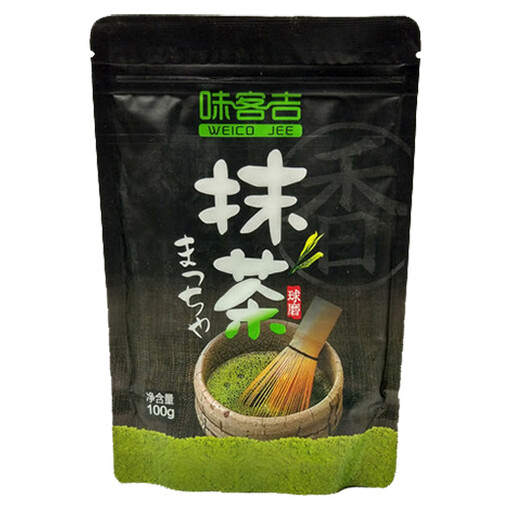
For the Purist and Home Barista: WKJ Matcha Powder

WKJ Matcha Powder

  • Why It Stands Out: The WKJ Matcha Powder is all about authenticity and versatility. Made from 100% stone-ground green tea leaves, its vibrant jade colour and fine texture are immediate indicators of its quality. It delivers a classic, well-balanced flavour profile—smooth, vegetal, with a pleasant umami finish that is never overly bitter.
  • Pros:
    • Contains only 100% pure green tea powder.
    • No added sugar, milk or allergens.
    • Highly versatile for traditional tea, lattes, smoothies and baking.
  • Who is it for: This is an ideal choice for the health-conscious individual or the home barista who wants full control over their creations. If you enjoy the ritual of whisking your own tea or crafting a latte to your exact sweetness and milk preference, this powder provides the perfect high-quality base.

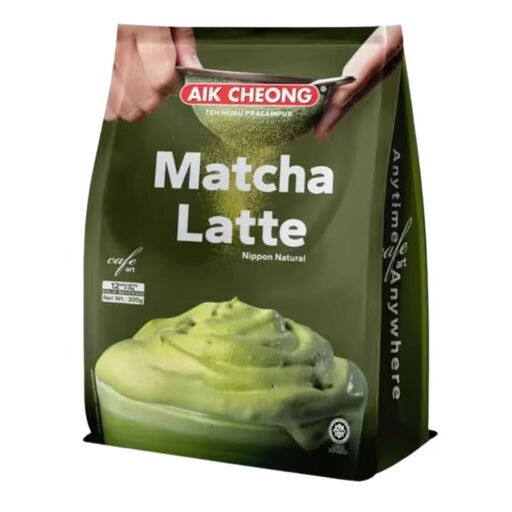
For Ultimate Convenience: Aik Cheong Matcha Latte Instant Green Tea Powder

Aik Cheong Matcha Latte Instant Green Tea Powder

  • Why It Stands Out: Aik Cheong's offering is the definition of a grab-and-go solution. This instant matcha latte comes in convenient, pre-portioned 25g sachets, taking all the guesswork out of preparation. It is formulated to deliver a creamy, smooth and satisfyingly sweet café-style latte by simply adding hot water.
  • Pros:
    • Incredibly easy and quick to prepare.
    • Individual sachets maintain freshness and are perfect for the office or travel.
    • A balanced, creamy and sweet flavour profile that requires no extra ingredients.
  • Who is it for: This is perfect for busy professionals, students or anyone who values speed and convenience above all. If you want a reliable and tasty matcha latte without the need for a whisk, frother or multiple ingredients, this is an excellent choice.

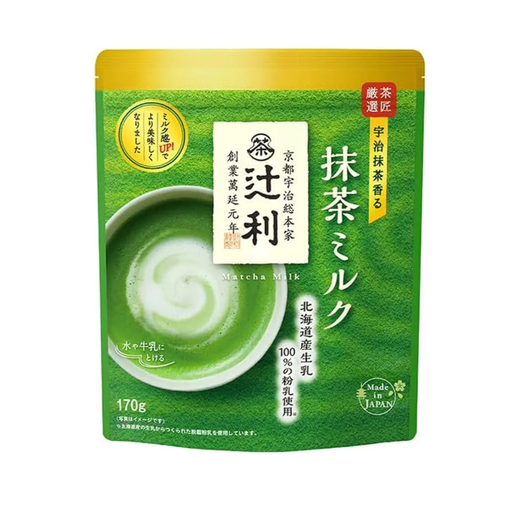
For the Premium Instant Experience: Kataoka Tsujiri Matcha Milk

Kataoka Tsujiri Matcha Milk 170g

  • Why It Stands Out: This matcha latte mix carries the heritage of Tsujiri, a renowned Kyoto tea house founded in 1860. It blends authentic Uji matcha with rich Hokkaido milk powder for a premium instant experience. A standout feature is its formulation, which dissolves easily in both hot and cold liquids, making it perfect for iced lattes.
  • Pros:
    • Made with high-quality Uji matcha and Hokkaido milk powder.
    • Dissolves in both hot and cold water/milk for year-round enjoyment.
    • Delivers a rich, authentic and smooth café-style flavour.
  • Who is it for: This is for the discerning drinker who wants the convenience of an instant mix but is unwilling to compromise on authentic Japanese flavour. It is especially suitable for those who enjoy both hot and iced matcha lattes and appreciate products with a strong heritage.

Looking for More Options?

Matcha is just one part of a rich and diverse tea culture. If our recommendations are not quite what you are looking for, or if you are curious to explore other varieties of Japanese green tea like sencha, genmaicha or hojicha, there is a wide selection available.

Explore Our Full Range of Asian Tea

Frequently Asked Questions About Matcha Powder

1. What is the difference between ceremonial grade matcha and culinary grade? Ceremonial grade matcha is produced from the youngest, most tender tea leaves, resulting in a very fine powder with a delicate, sweet and complex flavour. It is intended for drinking on its own, prepared with hot water. Culinary grade matcha is made from slightly older leaves, giving it a more robust and slightly bitter flavour profile that stands up well when mixed with other ingredients in lattes, smoothies or baked goods.

2. How should I store my matcha powder? To preserve its freshness, vibrant colour and nutritional properties, matcha should be protected from air, light and heat. Store it in an airtight, opaque container in a cool, dark place like a kitchen cupboard. For long-term storage, especially after opening, keeping it in the refrigerator is a good practice.

3. Is matcha a good substitute for coffee? Many people choose matcha as a coffee alternative. While both contain caffeine, matcha also contains an amino acid called L-theanine. This combination is known to provide a more sustained, calm alertness without the sharp "jolt" and potential "crash" some people experience with coffee. It offers a different kind of energy boost that many find preferable for focus and productivity.