
24/7 Customer Support

Free returns

Same-day & Next-day Delivery

Quality Guaranteed

Unlock Your Welcome Offers: FREE Delivery | Up to 80% OFF | Free 30-day JoyPlus trial
Download the APP
From vibrant green lattes in your local café to delicate desserts, matcha has firmly established itself as a favourite in the UK. But as you browse online, the sheer variety can be overwhelming. What is the difference between ceremonial and culinary grade? Should you choose a pure powder or a pre-sweetened mix?
Navigating the world of matcha powder can feel complex, but it doesn't have to be. As the Joybuy Product Recommendation Officer, my role is to help you understand your options so you can choose the right product for your needs. This guide will walk you through the key considerations and highlight a few standout options for making everything from a traditional tea to a quick and easy matcha latte powder drink at home.
Before you add a product to your basket, a little knowledge goes a long way. Keep these three points in mind to ensure you select a matcha that suits your taste and intended use.
The first step is to decide how you plan to use your matcha. This will determine whether you need a pure powder or a convenient blend.
While many terms are used, the most important distinction is between ceremonial and culinary grades.
The highest quality matcha traditionally comes from Japan, with regions like Shizuoka and Uji being particularly famous for their tea cultivation. A product's origin can be a good indicator of its quality and adherence to traditional production methods. A bright, vivid green colour is a hallmark of good quality, whereas a dull, yellowish hue can suggest a lower-grade or older product.
Based on their ingredients, intended use and customer feedback, here are three different types of matcha products to consider.
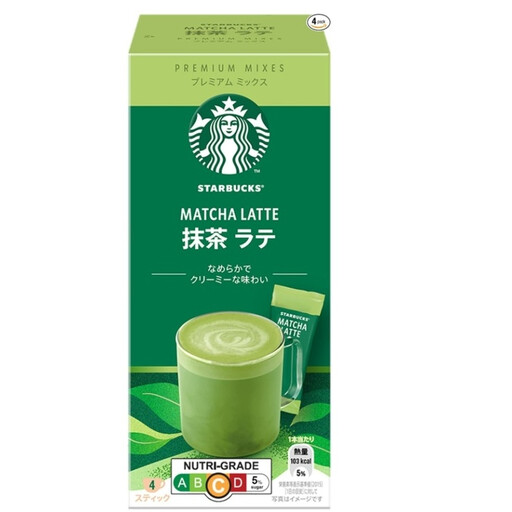
Why It Stands Out: This product delivers the familiar taste of a Starbucks matcha latte with ultimate convenience. The single-serve sachets contain a pre-blended mix of matcha, milk powder and sugar, allowing you to create a creamy, frothy latte in seconds just by adding hot water.
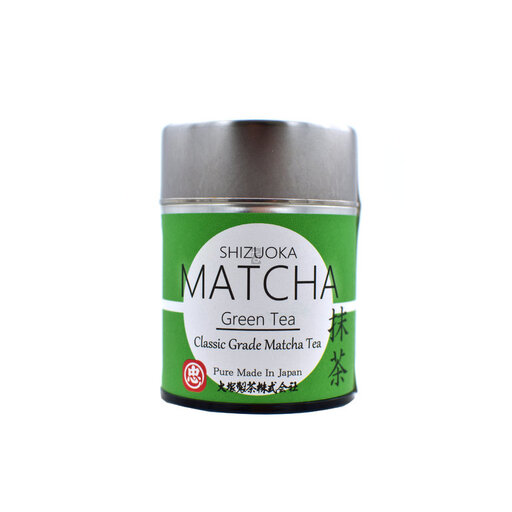
Why It Stands Out: This is a 100% pure matcha powder from Shizuoka, a renowned tea-growing region in Japan. With no added sugar or other ingredients, it offers an authentic, well-balanced flavour with deep umami notes and a smooth finish. Its versatility is its greatest strength.
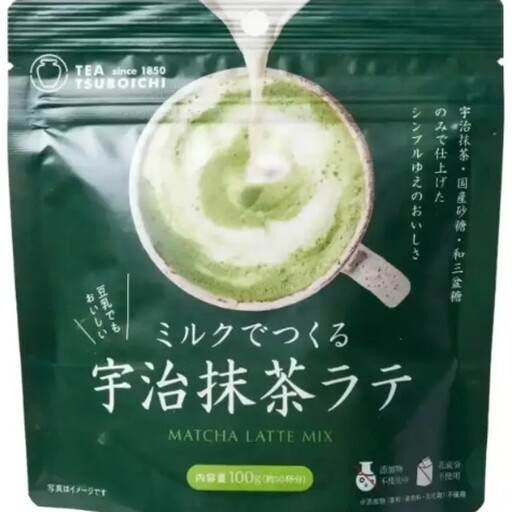
Why It Stands Out: This blend strikes a beautiful balance between high-quality matcha and Wasanbon, a fine-grained Japanese sugar known for its delicate and nuanced sweetness. It’s less of an "all-in-one" latte mix and more of a premium sweetened powder, offering both convenience and quality.
The world of Japanese tea is vast and fascinating. If our recommendations aren't quite what you're looking for, or if you're curious to explore other varieties like hojicha or sencha, we invite you to browse our full collection.
Explore Our Full Range of Japan's Tea
The key difference lies in the preparation and consumption. Regular green tea is made by infusing leaves in hot water, which are then removed. Matcha is made from shade-grown tea leaves that are stone-ground into a fine powder. When you drink matcha, you are consuming the entire leaf, which results in a more concentrated flavour and a different nutritional profile.
Yes, matcha contains caffeine. However, it also contains an amino acid called L-theanine. Many people report that the combination of caffeine and L-theanine provides a state of calm alertness, without the jittery feeling sometimes associated with coffee.
Matcha is delicate and can degrade when exposed to light, heat and air. To preserve its vibrant colour, flavour and aroma, it is best to store it in an airtight, opaque container. Keep it in a cool, dark place such as a cupboard or, for long-term storage, the refrigerator.