Latte, smoothie and recipe makers
A plain powder lets you use the same matcha in a milk-based drink, a smoothie or occasional baking. Clearspring positions its Premium Grade powder for these different uses.


For a continental breakfast, choose plain matcha powder if you want to decide how much to use and whether to add milk or other ingredients. A powder positioned for both drinks and recipes suits mixed uses, while a ceremonial-style powder is worth considering if you mainly whisk matcha with water and prefer its maker’s stated flavour profile. Portioned sachets reduce measuring, but check each product’s ingredients: flavoured sticks may contain coconut sugar and flavourings.
Start with the drink or food you actually plan to make at breakfast; a grade name or container shape cannot make that decision for you.
A plain powder lets you use the same matcha in a milk-based drink, a smoothie or occasional baking. Clearspring positions its Premium Grade powder for these different uses.
If you usually whisk matcha with water, origin details, the maker’s flavour description and clear preparation instructions may matter more than whether the powder is promoted for recipes.
Individual sticks remove the measuring step. Check whether the particular stick is plain matcha or a flavoured mixture before treating it as a substitute for unsweetened powder.
Choose the preparation you will use most often, then compare ingredients, serving directions and pack format across products that fit it.
Choose it when: breakfast could mean a latte, smoothie or recipe as well as a drink made with water.
Consider: Clearspring describes its recipe-oriented Premium Grade as more bitter than its finer ceremonial option; that is the maker’s flavour description, not a rule for every powder.
Choose it when: a small matcha drink whisked with water is your main use and the stated origin or flavour profile appeals to you.
Consider: the grade name alone does not establish how a powder will taste to you or how it will work in milk.
Choose them when: a measured portion matters more than using one loose powder for several breakfast recipes.
Consider: Waitrose lists coconut sugar and natural flavourings in the flavoured PerfectTed variety sticks, unlike the plain Original stick.
| Priority | What to check | Your needs |
|---|---|---|
| Ingredients | Read the full ingredient list, including each flavour in a variety pack. Clearspring lists its Ceremonial Grade as 100% matcha; Waitrose lists coconut sugar and natural flavourings in flavoured PerfectTed sticks. | I want to choose for myself whether to add sweetness or flavour to my breakfast drink. |
| Main use | Check whether the maker gives directions for water, milk or recipes. Clearspring positions Premium Grade for drinks and baking; JING gives a water-based method for its ceremonial matcha. | If I mostly make lattes or food, recipe directions matter. For a drink whisked with water, I would pay closer attention to the stated preparation and flavour profile. |
| Preparation | Compare the matcha quantity, liquid amount and mixing method for the exact product. Directions for one powder or stick need not apply to another. | On a rushed morning, a measured sachet appeals more than weighing loose powder; at home, I may prefer to adjust the quantity myself. |
| Pack format | Check the stated weight and whether the product is a tin, bag or sachets. Do not assume a matcha powder comes in a jar. | I need a container and quantity that work for where I prepare and store breakfast, rather than choosing by the word ‘jar’ alone. |
| Caffeine | Check the product’s serving quantity and caffeine guidance, where given. A figure expressed per gram changes with the amount of powder used. | When caffeine matters to my choice, I want information for the portion I will actually prepare, not an assumption that every matcha serving is the same. |
A flavoured stick can change the sweetness and flavour of the finished drink. Waitrose lists coconut sugar and natural flavourings in the flavoured PerfectTed variety sticks.
For plain matcha, look for an ingredient list containing only matcha green tea powder, and check the flavours in a mixed pack separately.
Clearspring positions its Premium Grade for drinks and recipes, while describing its Ceremonial Grade in terms of a smoother plain drink. Those descriptions concern its own products.
Decide whether you will mainly whisk matcha with water, add milk or use it in food. Then compare the exact products’ ingredients and directions rather than assuming the grade name predicts the result.
Serving methods differ: Clearspring gives a 1g and 30ml water method for its Ceremonial Grade, while JING gives 1.5g per 160ml cup for its ceremonial matcha.
Read the directions on the product you buy and check its stated serving before preparing a drink.
The amount of matcha used affects caffeine intake. Teapigs gives a typical figure of 30mg per 1g serving for its matcha; that is brand guidance, not a value for every product.
Use the serving and caffeine information for your chosen product when it is available. If you have an individual caffeine limit, seek appropriate clinical advice.
These product-line examples show how makers distinguish plain-drinking, multi-use and portioned matcha; a brand name alone does not identify the right format.
Clearspring offers 100% organic Japanese matcha in Premium Grade and Ceremonial Grade powders.
JING describes its ceremonial matcha as an organic, single-cultivar Okumidori powder from Kirishima, with a method for drinking it whisked with water.
PerfectTed has a 30g pouch listing 100% ceremonial-grade matcha; a separately listed variety pack contains portioned sticks.
These options include loose plain matcha powders for water-based drinks or mixed breakfast uses, plus portioned plain sachets. Check each pack’s format and directions against the way you plan to prepare it.
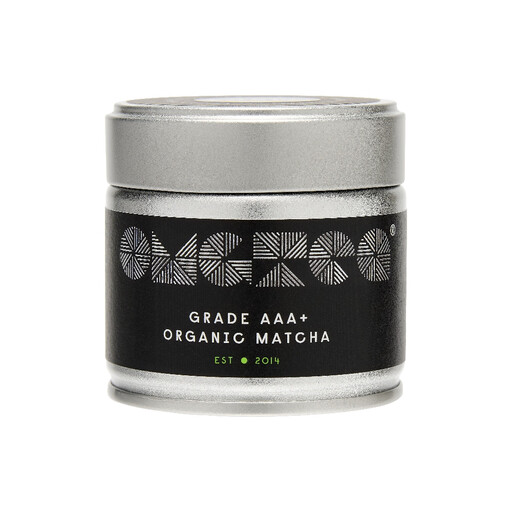 No image available
A plain-drinking option: the product description states 100% organic matcha and gives a 1g serving. It advises sifting before whisking and refrigerating the airtight tin after opening; check the pack directions for the amount of water to use.
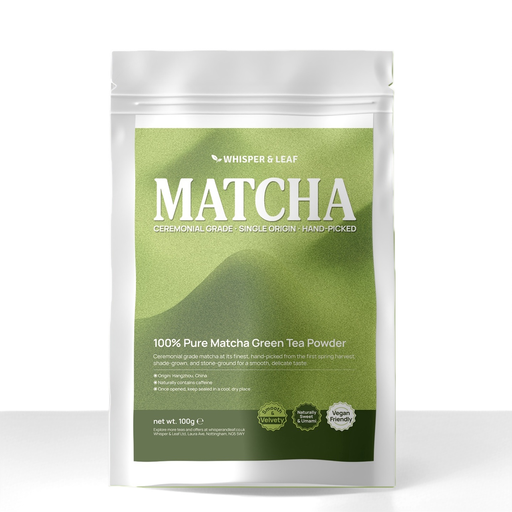 No image available
The listing describes this 100g bag as 100% matcha powder for traditional preparation or a latte. If you want a jar for your breakfast shelf, note the stated bag format and check the pack’s serving directions before buying.
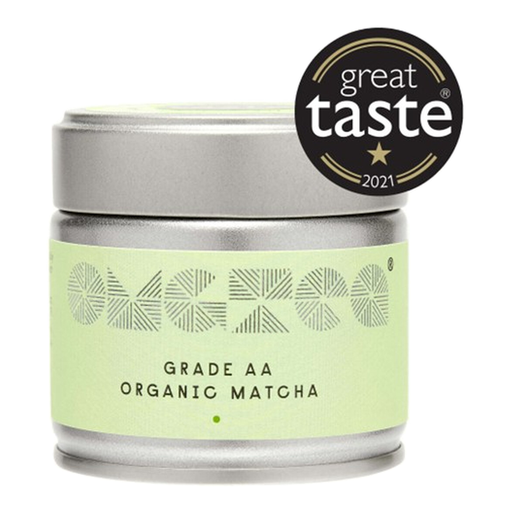 No image available
For a breakfast routine that moves between drinks and food, the description states 100% organic matcha and mentions smoothies, lattes and baking. The pack is 30g; check its directions for the serving you intend to make.
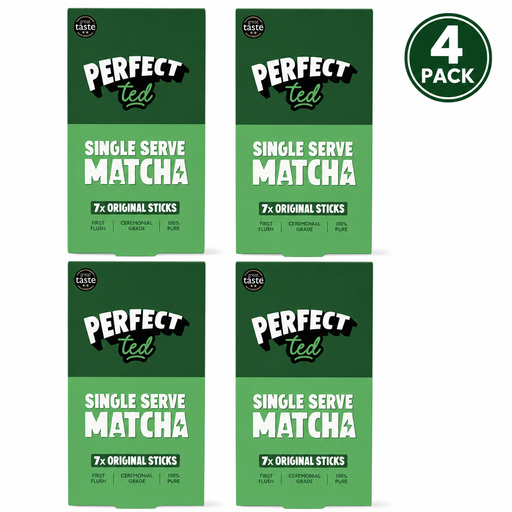 No image available
These individual 1.5g sachets suit a breakfast where measuring loose powder is inconvenient. The product description states 100% ceremonial-grade matcha; check the pack directions for the liquid and mixing method you want to use.
 No image available
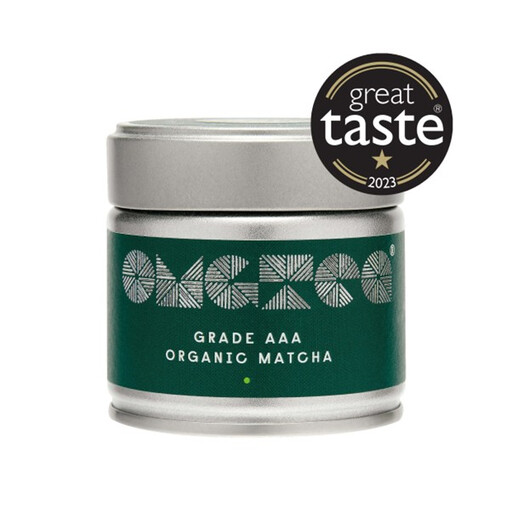
For drinks or food at breakfast, the description states 100% organic matcha and mentions tea, smoothies and cooking. The pack is 30g, with cool, dry storage stated in the listing; check the pack’s grade and preparation directions if they affect your choice.
No. Matcha is powdered green tea, not instant coffee. A product sold in a jar is not necessarily plain matcha: check its name and full ingredient list, and confirm the container format if a jar matters to you.
Read the ingredients for the exact product or flavour. Clearspring lists its Ceremonial Grade as 100% matcha, while Waitrose lists coconut sugar and natural flavourings in flavoured PerfectTed variety sticks. Do not assume every stick in a variety pack has the same composition.
Choose by your main use rather than the grade word alone. Clearspring positions its Premium Grade for drinks and recipes and describes its Ceremonial Grade as smoother for plain drinking. Those are the maker’s descriptions of its own powders, so compare ingredients and directions for any other product separately.
Follow the instructions for the powder you buy. Clearspring directs 1g with 30ml water for its Ceremonial Grade, whereas JING gives 1.5g for a 160ml cup of its ceremonial matcha. Neither ratio is a universal instruction for loose powders or sachets.
Yes. Teapigs states a typical 30mg per 1g serving for its matcha; Clearspring estimates approximately 32mg per 1g of its dry matcha. These brand-provided figures are not values for every product, and the amount used changes the serving total. Check the chosen product’s guidance if caffeine affects your decision.