Choose a matcha-containing pyramid bag if you want a straightforward tea-bag drink at weekend breakfast: Cooling Hydration EDO lists matcha powder at 2% alongside green tea, so it is an infused blend rather than whisked matcha. If drinking ground matcha leaf matters more than using a bag, choose powder; if the pyramid format matters more than matcha content, a whole-leaf green-tea bag is another option. Check both the ingredients and bag shape, as neither tells you what the other will be.
Who each format suits
Breakfast tea-bag drinkers
If you want to steep a bag alongside breakfast rather than measure powder, look for a matcha-containing blend. Read the proportions: Clearspring, for example, lists 97.5% sencha and 2.5% matcha in its Matcha Sencha sachets.
Whole-leaf pyramid-bag buyers
If the bag shape and a leaf-infused cup are your priorities, teapigs describes its Tea Temples as whole-leaf pyramid bags. Its Mao Feng green tea is an example to consider if you are happy to choose green tea rather than matcha.
Whisked-matcha makers
If you want ground matcha leaf mixed into your drink, choose powder and allow for whisking or shaking. JING Tea distinguishes this preparation from green tea that is infused and then removed.
What to check before choosing
Start with the drink you want in the cup, then check whether its ingredients, format and preparation fit your breakfast routine.
| Priority | What to check | Your needs |
|---|
| Matcha content |
Read the ingredient list and proportions. Clearspring lists 2.5% matcha in its sencha sachets; the Cooling Hydration EDO pyramid-bag listing states 2% green tea powder. |
I want a bagged tea with some matcha, not a cup made by whisking matcha powder. |
| Bag format |
Confirm that the exact product is pyramid-shaped. teapigs calls its whole-leaf Tea Temples pyramid bags, but its Mao Feng green tea is not matcha. |
The pyramid shape matters to me, and I can choose green tea if matcha is not essential. |
| Brewing |
Follow the directions for the selected tea. Clearspring specifies cooling freshly boiled water for one minute and infusing its Matcha Sencha for 1–2 minutes; teapigs specifies 80°C and three minutes for Mao Feng. |
I would rather follow the instructions for my chosen bag than use the same temperature and steeping time for every tea. |
| Caffeine |
Check the product information if you need a caffeine figure for your serving. During pregnancy, the NHS advises no more than 200 mg of caffeine a day from all sources. |
I need to account for caffeine from this drink alongside anything else I have during the day. |
| Packaging and labels |
Check the exact bag-material statement and current pack ingredients. JING Tea describes its own pyramid bags as plant-based and made without plastic sealing; that description does not apply to every pyramid bag. |
Bag materials or ingredients matter to my choice, so I want to check the pack I am buying. |
Common buying mistakes
-
Assuming a matcha tea bag is pure matcha
Clearspring lists its Matcha Sencha sachets as 97.5% sencha leaves and 2.5% matcha powder. Steeping that blend is different from whisking ground matcha into a drink.
Read the full ingredient list. Choose powder if drinking the ground leaf is the reason you want matcha.
-
Assuming every pyramid bag contains matcha
teapigs describes Tea Temples as pyramid bags, but its Mao Feng product is green tea rather than matcha. Bag shape and tea ingredients answer different questions.
Check the bag format and ingredients separately before choosing.
-
Brewing every green tea the same way
Clearspring Matcha Sencha and teapigs Mao Feng have different stated infusion directions, so one routine will not follow both brands’ instructions.
Check the selected pack: Clearspring says to cool freshly boiled water for one minute and infuse for 1–2 minutes; teapigs specifies 80°C and three minutes for Mao Feng.
-
Relying on an older online ingredient listing
Ingredients and allergen information can change. Waitrose advises shoppers to check the product label rather than rely solely on its listing.
Read the current pack, especially when choosing a flavoured blend or checking an allergen.
Brands and format references
These examples help distinguish matcha-containing blends, whole-leaf pyramid bags and matcha powder; they do not all combine those formats in one product.
Clearspring
Its Organic Japanese Matcha Sencha offers a bagged sencha-and-matcha blend.
- Clearspring lists 20 sachets, with 97.5% sencha leaves and 2.5% matcha powder.
- The product information does not establish a pyramid shape; steeping the blend is not the same preparation as whisking matcha powder.
teapigs
The brand describes its Tea Temples as pyramid bags containing whole tea leaves.
- Its Mao Feng green tea has stated brewing directions of 80°C water for three minutes.
- Mao Feng is green tea, not matcha; the brand’s whole-leaf description is not an independent comparison of brewing results.
JING Tea
JING Tea describes whole-leaf pyramid bags and a separate range of matcha powders.
- JING Tea says its pyramid bags use plant-based, biodegradable material without plastic sealing.
- Its pyramid-bag and matcha-powder ranges are distinct; check the individual product rather than assuming one combines both formats.
Joybuy tea-bag options
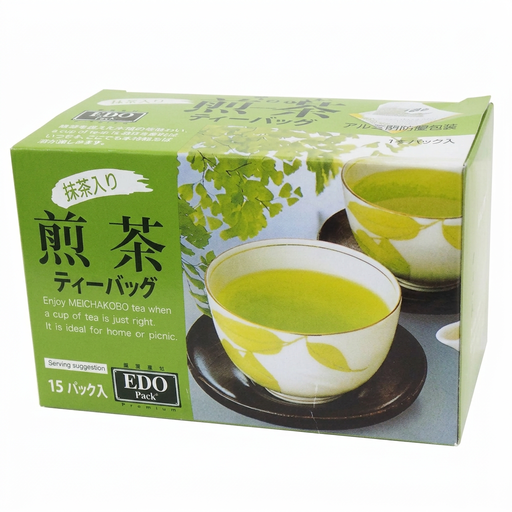
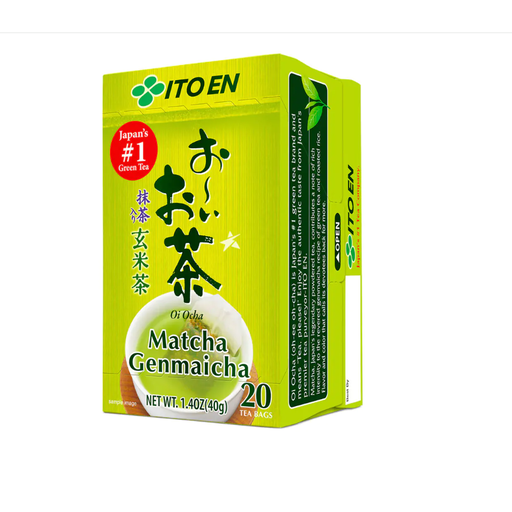
These two bagged blends contain matcha and suit a breakfast tea rather than whisked matcha. Cooling Hydration EDO is identified as a pyramid-bag option; check the Itoen pack if that shape is essential to your choice.
 No image available
Cooling Hydration EDO Matcha Injected Sencha Pyramid Tea Bags 30g
A bagged option when you want both a pyramid format and some matcha in your breakfast tea.
The product description states 98% green tea and 2% green tea powder. It is a blend, not whisked matcha; check the current pack for brewing directions, bag count and bag material.
View on Joybuy
 No image available
Itoen Oi Ocha Japanese Matcha Genmaicha Tea Bags, 20 bags, 40g
A bagged genmaicha choice if you want a tea blend containing matcha and do not require a confirmed pyramid shape.
The listing states 20 bags and identifies roasted rice at 60% and matcha powder at 3%. Check the current pack for bag shape, brewing directions and bag material.
View on Joybuy
Questions about matcha tea bags
Does a matcha-containing pyramid bag give the same drink as whisked matcha?
No. A tea bag is steeped, while matcha powder is whisked into the liquid and consumed. Check the ingredients as well as the bag shape: a pyramid bag can contain a green-tea blend with only a small proportion of matcha.
How should I brew a bagged matcha blend?
Follow the directions for the product you choose. Clearspring says to let freshly boiled water cool for one minute and infuse its Matcha Sencha for 1–2 minutes; teapigs instead specifies 80°C and three minutes for its Mao Feng green tea.
What should I check about caffeine during pregnancy?
Include tea and matcha when accounting for caffeine from all sources. The NHS advises no more than 200 mg of caffeine a day during pregnancy; check the chosen product’s information if you need to work out how a serving fits within that total.
What should I check if I have a food allergy?
Read the current pack’s ingredients and allergen information, particularly for flavoured blends or multipacks. Waitrose cautions that product information can change, so an online listing should not replace the label on the pack you buy.
Are all pyramid tea bags plastic-free?
A pyramid shape alone does not establish what a bag is made from. JING Tea says its own pyramid bags are plant-based, biodegradable and made without plastic sealing; check the material statement for the exact product you choose.


