Who is each format for?
The useful starting point is whether the drink should be a steeped tea, whisked matcha or a conventional afternoon tea served with scones.
Hosts offering a green-tea alternative
A matcha-containing tea bag is straightforward to serve alongside scones, cream and jam. Check whether guests expect a green-tea infusion or a drink made from whisked matcha powder: the ingredients and preparation differ.
Hosts who want pyramid bags on the table
Check the shape on the particular product rather than assuming every matcha tea bag is a pyramid. A conventional afternoon-tea pyramid is another choice if the presentation matters more than including matcha.
Hosts checking individual preferences
Portioned bags or sachets make it easier to offer different drinks. Read each product’s ingredient label before serving, especially when mint flavour, caffeine or a guest’s allergy affects the choice.
Brand and product-line references
These examples illustrate different formats and ingredients; a brand’s wider tea range does not tell you the format of an individual pack.
Clearspring
Clearspring lists matcha-containing tea sachets as well as a separate 100% matcha powder product.
- Its stated Matcha Sencha ingredients are 97.5% sencha leaves and 2.5% matcha powder; Matcha Genmaicha also contains roasted brown rice.
- Those tea products and the Matcha Shot powder should not be treated as the same serving format. Check the individual pack for any pyramid-bag claim.
Pukka
Pukka Mint Matcha Green is a mint-flavoured, matcha-containing green-tea bag listed by Waitrose & Partners.
- Its declared ingredients identify the flavour clearly: 60% sencha, 20% spearmint, 18% peppermint and 2% matcha.
- It is not a plain matcha drink; check whether guests want mint before selecting it.
Tregothnan
Tregothnan presents its Afternoon Tea pyramid bags as an option for a Cornish cream tea.
- The maker identifies pyramid pouches and gives a 3–4 minute brewing time for this product.
- Its Afternoon Tea pyramids are a conventional tea choice, not a matcha product.
PerfectTed
Tesco Groceries lists a PerfectTed matcha green-tea powder sachet variety pack.
- The sachet format offers a powder route to consider instead of steeping a tea bag.
- Check the ingredients and serving instructions of the particular pack; a powder sachet is not a pyramid bag.
Joybuy product options
These options cover a matcha-labelled pyramid bag, a matcha genmaicha tea bag and portioned matcha powder. They serve different cream-tea preferences rather than forming a like-for-like comparison of pyramid bags.
 No image available
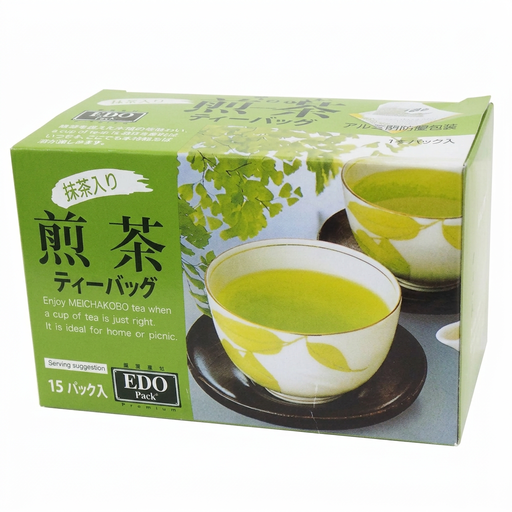
Cooling Hydration EDO Matcha Injected Sencha Pyramid Tea Bags, 30g
This is the pyramid-bag option for serving a matcha-labelled sencha tea alongside a cream tea. The name specifies a 30g pack; check its ingredient declaration and brewing directions before serving, particularly if guests expect pure matcha.
View on Joybuy
 No image available
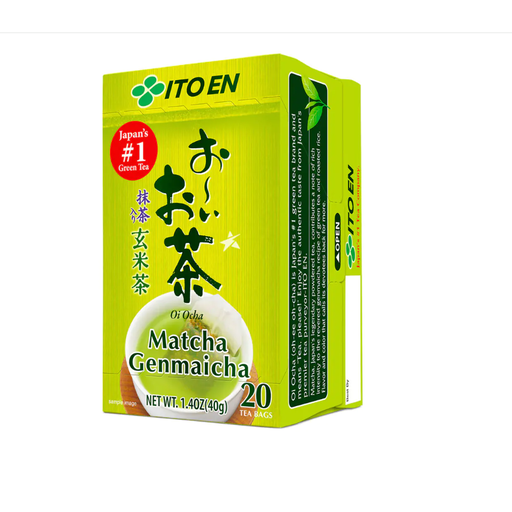
Itoen Oi Ocha Japanese Matcha Genmaicha Tea Bags, 20 Bags, 40g
Consider these tea bags when guests want a matcha genmaicha option rather than matcha powder. The named pack contains 20 bags and weighs 40g; check the ingredients, brewing directions and bag shape if a pyramid presentation matters.
View on Joybuy
 No image available
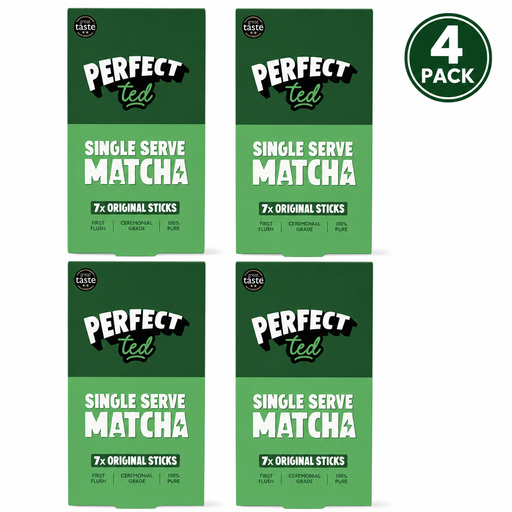
Perfectted Matcha Powder Sachets, 7 × 1.5g, 4 Packs
These portioned powder sachets are an alternative when the intended drink is prepared from matcha rather than steeped in a bag. The name specifies seven 1.5g sachets in each of four packs; check the ingredients and preparation directions for this pack before serving.
View on Joybuy
Questions about serving matcha at a cream tea
Are matcha tea bags the same as pure matcha?
No. Waitrose & Partners lists Clearspring Matcha Sencha as 2.5% matcha and 97.5% sencha, and Pukka Mint Matcha Green as 2% matcha in a sencha-and-mint blend. If you intend to serve a drink made from matcha powder, check for a 100% matcha ingredient declaration and follow that product’s preparation directions.
Does a pyramid bag mean the tea contains more matcha?
No. “Pyramid” describes the bag shape, not the matcha percentage. Canton Tea describes how its pyramid bags give leaves room to move, while Tregothnan’s Afternoon Tea pyramids are not matcha. Check the ingredients separately from the format claim.
How should I brew matcha-green tea bags for guests?
Use the directions for the particular bag. For Clearspring Matcha Sencha, Waitrose & Partners says to let boiled water cool for a minute and then infuse the bag for 1–2 minutes; that timing should not be assumed for other products.
What caffeine check matters if a guest is pregnant?
The NHS advises no more than 200 mg of caffeine a day during pregnancy, counting all sources. Clearspring estimates approximately 32 mg in 1 g of its dry Matcha Shot powder, but that is not a caffeine figure for another powder or for a tea bag. Check product-specific information rather than converting the daily limit into a number of bags.
What should I check when a guest has a food allergy?
Check the ingredient and allergen information on the actual pack before serving. Matcha-labelled products can contain other ingredients: for example, Waitrose & Partners lists mint leaves in Pukka Mint Matcha Green, while Clearspring lists roasted brown rice in its Matcha Genmaicha. Do not treat the word “matcha” as a complete ingredient list.


