Second-home owners who want a simple brew
A pre-portioned matcha blend works with a mug and hot water, without a whisk, scoop or matcha bowl. Check the pack date and storage instructions before leaving tea between visits.


Choose a matcha-containing pyramid bag if you want to make tea with a mug and hot water, without keeping matcha preparation tools at your second home. A conventional matcha tea sachet also offers that convenience if the pyramid shape is not essential; choose powder if you specifically want whisked matcha and can keep the equipment there. Bagged blends contain other ingredients, so check the exact blend, pack size and on-pack storage instructions before stocking up.
A pre-portioned matcha blend works with a mug and hot water, without a whisk, scoop or matcha bowl. Check the pack date and storage instructions before leaving tea between visits.
Shibui Tea lists its Matcha & Sencha Organic as a pyramid bag containing organic sencha and matcha. It is an infused blend, rather than pure matcha whisked into water.
Tea People’s Pineapple Green with Matcha combines pineapple, rice and matcha in a pyramid bag. Clearspring also lists genmaicha and mint matcha blends, but describes those products as tea sachets.
Decide whether the pyramid shape is essential, then compare the ingredients and the amount of tea you are likely to use between visits.
| Priority | What to check | Your needs |
|---|---|---|
| Preparation | Check whether the product is an infusing bag or powder that must be mixed into water. Follow the blend’s stated water temperature and infusion time. | I want to make a cup without leaving a whisk or shaker at the property. |
| Bag shape | Look for explicit pyramid-bag wording on the exact variant. Shibui Tea and Tea People identify the matcha blends described here as pyramids; Clearspring calls its matcha blends sachets. | If pyramid bags are the point of my purchase, an ordinary sachet is not an interchangeable choice. |
| Ingredients | Read the full ingredient list. Shibui Tea lists sencha and matcha; Tea People lists 25% candied pineapple and 3% matcha in its Pineapple Green blend. Clearspring lists 97.5% sencha and 2.5% matcha in its Matcha Sencha sachets. | I would choose a sencha-and-matcha blend for a less fruit-led option, or check the pineapple blend if guests prefer flavoured tea. Neither is pure matcha powder. |
| Stock quantity | Compare the bag count with likely visits and check the on-pack best-before date and storage directions. Shibui Tea lists 15-, 60- and 300-bag formats; Tea People lists a two-bag taster pack and larger formats. | For occasional stays, I would start with a small pack rather than leave a large supply unused. |
| Disposal | Follow the exact product’s disposal instructions and check what the local council accepts at each property. A compostable claim alone does not establish acceptance in a particular collection. | I want to know where used bags can go at both homes, rather than assume the same bin arrangements apply. |
Clearspring describes its Matcha Sencha as tea sachets, while Shibui Tea and Tea People explicitly identify the relevant blends as pyramid bags. The distinction matters if bag shape is a firm requirement.
Check the format wording for the exact variant before ordering.
A second-home supply may sit between visits. GOV.UK explains that best-before dates concern quality and that incorrect storage can reduce quality before the date.
Check the date and storage instructions on the pack, then choose a quantity that fits your likely visits.
Shibui Tea’s pyramid product contains sencha and matcha; Tea People’s also contains pineapple and rice. A bag is infused and removed, whereas matcha powder is mixed into water and consumed.
Choose by the ingredients and preparation method you want, not the word ‘matcha’ alone.
Shibui Tea describes its pyramid bags as plastic-free and compostable, but that description does not establish which local collections accept them.
Read the product disposal instructions and check council guidance for both home locations.
Shibui Tea lists Matcha & Sencha Organic as a pyramid-bag blend of organic Japanese sencha and matcha.
Tea People sells Pineapple Green with Matcha as a flavoured pyramid tea, including a two-bag taster pack.
Clearspring lists matcha-containing sencha, genmaicha and mint blends in 20-sachet packs.
JING Tea describes pyramid-shaped bags in its tea-bag range and sells matcha powder separately.
teapigs describes its Tea Temples as pyramid tea bags containing whole leaves.
These options include a matcha-containing sencha pyramid tea and a matcha genmaicha tea-bag pack. Check the second product’s bag construction if a pyramid is essential to your choice.
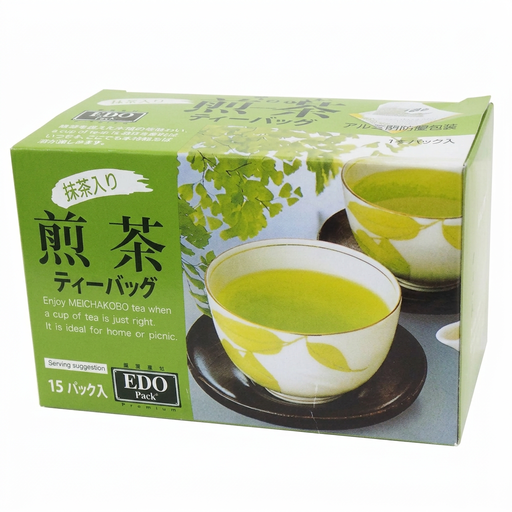 No image available
The stated pyramid-bag format suits a second-home cupboard when you want a pre-portioned sencha-and-matcha blend. The pack is marked 30g; check its bag count, brewing directions, date and storage instructions when choosing how much to leave at the property.
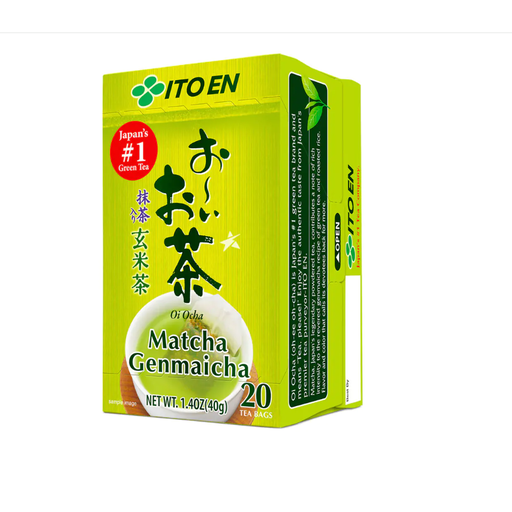 No image available
The stated 20-bag quantity helps you plan a supply for visits to a second home. This is a matcha genmaicha tea-bag option, but check the bag construction before buying if you specifically want pyramids; also check the brewing and on-pack storage instructions.
No. Shibui Tea’s Matcha & Sencha pyramid bags combine sencha and matcha, while Tea People’s Pineapple Green with Matcha also contains pineapple and rice. These blends are infused as tea; matcha powder is mixed into water and consumed.
A pre-portioned pyramid bag or conventional tea sachet needs a mug and hot water, making it practical when you do not keep a whisk or shaker there. Follow the chosen product’s brewing directions: Shibui Tea specifies 80°C for 2–3 minutes for its Matcha & Sencha pyramid bags.
Compare the quantity with how often you use the property, then check the on-pack best-before date and storage instructions. Shibui Tea lists 15-, 60- and 300-bag formats, and Tea People offers a two-bag taster pack. GOV.UK explains that a best-before date relates to quality and that incorrect storage can reduce quality before that date.
Check the exact bag’s disposal instructions and each local council’s accepted materials before using a food-waste bin. Shibui Tea describes its pyramid bags as plastic-free and compostable, but that claim alone does not establish acceptance by a particular collection service.
Check the ingredients and allergen information, quantity, date mark and any storage or preparation instructions. UK government food-labelling guidance distinguishes best-before dates, which concern quality, from use-by dates, which concern safety.