If both matcha and a pyramid bag matter, check that the pack states both: a pyramid bag containing only green tea will not meet that brief. A matcha-and-green-tea bag offers an infused cup without preparing loose powder, while pure matcha requires mixing or whisking. For someone taking warfarin, Cambridge University Hospitals NHS Foundation Trust advises keeping green-tea intake consistent rather than suddenly starting or stopping it.
Who is this choice for?
The preparation method matters as much as the word ‘matcha’ on the pack when choosing a cup that fits someone’s afternoon routine.
Older adults who prefer a simple brew
A tea bag avoids measuring and whisking powder. The British Dietetic Association notes that older adults may need reminders to drink regularly; choose a preparation method the person or whoever makes their tea can manage.
Tea drinkers curious about matcha
A matcha-and-green-tea bag is infused, whereas matcha powder is mixed into the drink and consumed. Check the ingredients if the distinction matters: Clearspring lists 2.5% matcha in its Matcha Sencha sachets.
People taking warfarin
Cambridge University Hospitals NHS Foundation Trust says green tea contains a small amount of vitamin K and advises people taking warfarin to drink it consistently, without suddenly starting or stopping. Ask the anticoagulation service, GP or pharmacist before making green tea a new regular habit.
What should you check?
Decide whether matcha, pyramid-bag shape or minimal preparation matters most, then check the particular pack rather than relying on its category name.
| Priority | What to check | Your needs |
|---|
| Matcha content |
Read the ingredient list and any stated proportion. Clearspring lists 2.5% matcha in Matcha Sencha; Tesco lists 15% matcha in Twinings Super Green Matcha. Both are green-tea blends, not pure matcha. |
I want to know whether my cup contains matcha and how the bagged blends differ, without assuming the percentage tells me how the finished tea will taste. |
| Bag format |
Check that the product specifies a pyramid bag as well as matcha if both are essential. JING describes its tea bags as pyramid-shaped, but presents its matcha range separately as powder. |
A roomy pyramid bag matters to me, but I do not want to mistake a green tea for a matcha blend. |
| Preparation |
Follow the particular product’s directions. Clearspring says to let freshly boiled water cool for a minute and infuse Matcha Sencha for one to two minutes; Tesco’s Twinings listing specifies at least three minutes. |
For an afternoon cup, I would rather make a tea-bag infusion than measure and whisk powder. |
| Regular use |
If caffeine matters, check the particular product and serving. For someone taking warfarin, Cambridge University Hospitals NHS Foundation Trust advises consistent green-tea intake rather than abrupt starts or stops. |
I need the tea routine to fit the drinker’s circumstances, especially before introducing green tea as a regular drink while taking warfarin. |
| Pack details |
Compare the stated bag count, pack weight and ingredients, keeping bags separate from powder sachets. Clearspring’s Matcha Sencha page lists 20 tea sachets; the EDO pyramid-bag product title specifies a 30g pack. |
If I am buying for repeated afternoon teas, I want to check how many cups the particular pack makes rather than judge it by pack size alone. |
Mistakes to avoid
-
Assuming a pyramid bag contains matcha
Bag shape describes the packaging, not the ingredients. JING lists pyramid-shaped green-tea bags, while its matcha range is powder-based.
Check both the bag format and the ingredient list when you want matcha in a pyramid bag.
-
Treating all matcha-labelled bags alike
Clearspring states 2.5% matcha in Matcha Sencha, while Tesco lists 15% in Twinings Super Green Matcha. Those figures describe different blends; they do not establish how strong either finished cup will taste.
Compare the stated ingredients and follow each product’s brewing instructions before choosing a bag for the afternoon routine.
-
Changing a green-tea habit suddenly while taking warfarin
Cambridge University Hospitals NHS Foundation Trust says green tea contains a small amount of vitamin K and advises people taking warfarin to consume it consistently.
Before introducing matcha or green tea as a regular drink, ask the anticoagulation service, GP or pharmacist for advice.
Brand and retailer references
These examples illustrate different tea formats and ingredient disclosures; a brand’s green-tea bag should not be assumed to contain matcha.
Clearspring
Clearspring’s Matcha Sencha and Matcha Genmaicha are green-tea sachet blends containing matcha.
- Clearspring lists 97.5% sencha and 2.5% matcha for Matcha Sencha; its Matcha Genmaicha also contains roasted brown rice and 2.5% matcha.
- Neither cited product page describes the sachet as pyramid-shaped or the contents as pure matcha.
JING
JING describes spacious pyramid-shaped bags for teas including Jade Sword and Sencha, and presents matcha separately as powder.
- Its tea-bag information specifies the pyramid format for whole-leaf tea.
- A JING green-tea pyramid bag should not be assumed to contain matcha.
Twinings
Tesco’s listing for Twinings Super Green Matcha describes a bagged green-tea blend containing matcha.
- The listing states 84% green tea and 15% matcha, plus manganese, and calls for an infusion of at least three minutes.
- The cited listing does not describe it as a pyramid bag.
Teapigs
Teapigs lists green-tea choices, including mao feng and green tea with mint, alongside a separate matcha category.
- Its tea and matcha categories help distinguish the formats when browsing.
- Check the ingredients of an individual tea temple rather than assuming it contains matcha.
M&S
M&S’s Pure Green Tea Bags provide a standard green-tea reference point.
- The product is described as green tea in bags, making its format clear.
- That product is not presented as a matcha tea bag.
Joybuy product options
This option is labelled as matcha sencha in pyramid tea bags for a bagged afternoon infusion.
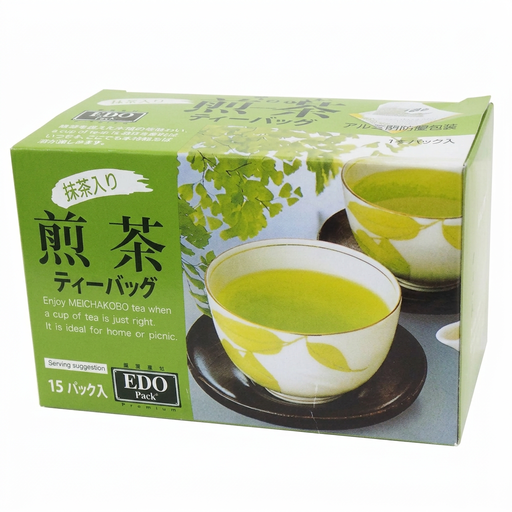 Image unavailable
EDO Matcha Sencha Pyramid Tea Bags, 30g
A bagged option for someone who wants both matcha sencha and a pyramid format without preparing loose matcha powder. The pack is labelled 30g; check its brewing directions before serving and its caffeine information if that affects the drinker’s routine.
View on Joybuy
Questions about afternoon tea
Is a matcha pyramid bag the same as pure matcha?
No. A bag is infused, while matcha powder is mixed or whisked into a drink and consumed. Bag shape does not establish its contents: check the ingredients for matcha rather than assuming every pyramid-shaped green-tea bag contains it.
What is a straightforward way to serve a matcha-containing afternoon tea?
Choose a clearly labelled matcha-and-green-tea bag if an infused cup is easier to prepare than powder, and follow that pack’s directions. Clearspring instructs users to let freshly boiled water cool for a minute before infusing Matcha Sencha for one to two minutes; Tesco’s Twinings Super Green Matcha listing specifies at least three minutes.
Does tea count towards an older adult’s fluid intake?
Generally, yes: the British Dietetic Association says almost all drinks count towards fluid needs. It also notes that older adults may need reminders to drink regularly. An individual clinical condition can require a different approach, so general guidance should not replace personal advice.
What if the person taking afternoon tea uses warfarin?
Keep changes to green-tea intake in mind before making it a regular habit. Cambridge University Hospitals NHS Foundation Trust says green tea contains a small amount of vitamin K and advises people taking warfarin to drink it consistently, avoiding sudden starts or stops. Ask the anticoagulation service, GP or pharmacist about a planned change.


