Cream-tea hosts seeking an easy green-tea option
A tea bag is convenient to serve alongside scones, clotted cream and jam. Check whether its ingredients describe a green-tea blend containing matcha or powdered matcha alone.


Choose a matcha-containing tea bag for a straightforward infusion with cream tea, or powdered matcha if you want to prepare and drink the ground tea leaf. If the pyramid shape matters most, check that it applies to the exact matcha product: a brand selling both pyramid bags and matcha does not necessarily combine them in one pack. For guests who want milk with their tea, consider a tea expressly described as suitable with milk rather than assuming a matcha blend will serve the same way.
A tea bag is convenient to serve alongside scones, clotted cream and jam. Check whether its ingredients describe a green-tea blend containing matcha or powdered matcha alone.
If the point is to drink the ground tea leaf or use matcha in a latte or recipe, choose powder rather than an infusion bag. Allow for the preparation method stated on the pack.
Check the exact bag shape and tea type. JING Tea describes its pyramid bags as containing whole leaves, while its Assam loose-leaf tea is described separately as suitable with or without milk; that does not establish an Assam pyramid-bag product.
Choose it when: You want a tea-bag infusion to serve with cream tea.
Bear in mind: The evidenced Clearspring and Pukka examples are green-tea blends containing 2–2.5% matcha, not servings of powdered matcha alone.
Choose it when: You want to prepare and drink the ground tea leaf rather than infuse and remove a bag.
Bear in mind: Powder calls for a different preparation step; follow the instructions for the product you choose.
Choose it when: Pyramid-bag presentation matters more than serving matcha specifically.
Bear in mind: A pyramid bag does not establish that its contents include matcha or that the tea is suitable with milk.
| Priority | What to check | Your needs |
|---|---|---|
| Matcha content | Read the ingredient list and matcha percentage. Clearspring lists 2.5% matcha in Matcha Sencha; Waitrose & Partners lists 2% in Pukka Supreme Matcha Green. | I want to know whether I am serving an infused green-tea blend or preparing powdered matcha. |
| Bag shape | Confirm that the exact product is described as a pyramid bag, not just a tea sachet or a product from a brand with a pyramid-bag range. | If pyramid bags are important for my cream-tea table, I need that format confirmed for the matcha product itself. |
| Serving style | Check the tea type and any supplier guidance on adding milk. JING Tea describes its Assam loose-leaf tea as suitable with or without milk; this does not confirm the format of an Assam tea bag. | Some guests may want milk, so I need a tea whose own description supports that way of serving it. |
| Preparation and portions | Check whether the product is an infusion bag or powder, then read its pack instructions and portion count. | For several guests, I would rather know how each cup is prepared and how many portions the pack contains before choosing. |
Clearspring Matcha Sencha lists 97.5% sencha and 2.5% matcha; Waitrose & Partners lists Pukka Supreme Matcha Green as 98% green tea and 2% matcha. Both are blends for infusion.
Read the ingredients if you want powdered matcha rather than a green-tea bag containing some matcha.
JING Tea describes pyramid-shaped bags for whole-leaf tea and presents its matcha range as powder for whisking. Those descriptions refer to different formats.
Confirm both the pyramid shape and the matcha ingredients on the exact product and its pack.
An infusion bag and powdered matcha need different preparation methods, and instructions can differ between bagged blends.
Use the water and brewing directions on the pack you are serving.
Clearspring offers matcha-containing green-tea sachet blends relevant to a quick cream-tea infusion.
JING Tea is relevant when comparing whole-leaf pyramid bags with matcha prepared as powder.
Pukka Supreme Matcha Green is a bagged green-tea blend listed by Waitrose & Partners.
These options cover a named matcha-sencha pyramid bag, another matcha-containing tea-bag blend and portioned matcha powder. Choose by the format you intend to serve, then check the exact pack for ingredients and preparation.
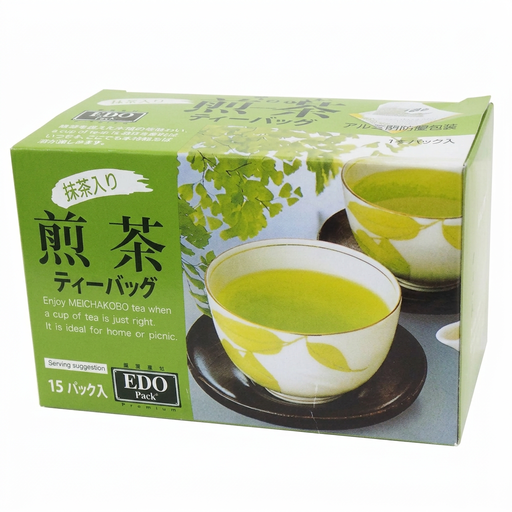 No image available
The named pyramid-bag format suits a cream-tea table where you want a matcha-sencha infusion. The pack is 30g; check its ingredients and brewing directions before serving.
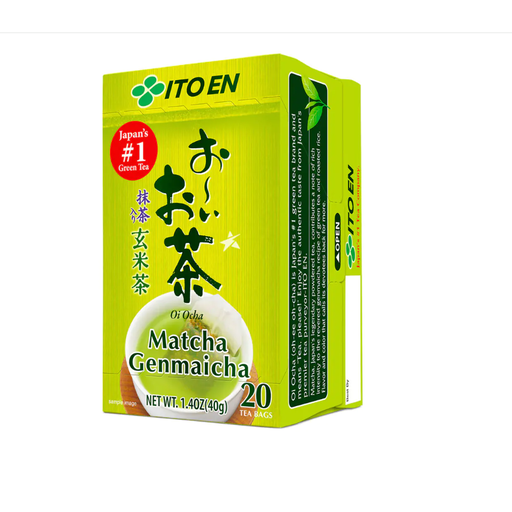 No image available
This matcha genmaicha tea-bag option is for an infused cup alongside cream tea. The pack contains 20 bags and weighs 40g; check the exact bag shape if a pyramid format is essential.
 No image available
Portioned matcha powder is an alternative when you want to prepare a matcha drink rather than infuse a tea bag. The pack contains seven 1.5g sachets; follow its mixing instructions.
No. Clearspring Matcha Sencha lists 97.5% sencha and 2.5% matcha, while Waitrose & Partners lists Pukka Supreme Matcha Green as 98% green tea and 2% matcha. These bags make an infusion; powdered matcha is prepared and drunk without removing tea leaves in a bag.
No. Pyramid describes the bag shape, not its ingredients. JING Tea describes pyramid bags for whole-leaf tea and presents matcha separately as powder for whisking, so confirm both details for the exact product you want.
Consider a tea expressly described as suitable with milk. JING Tea says this of its Assam loose-leaf tea, but that description does not establish an Assam pyramid-bag format or the milk suitability of a matcha blend.
Use the instructions for the exact product instead. A bagged green-tea blend is infused, while matcha powder is prepared as a drink; water and brewing directions for bagged products can also differ.
Read the ingredient and allergen information on the pack you will serve. For example, Clearspring lists sencha, roasted brown rice and matcha in its Matcha Genmaicha sachets; that ingredient list is not a substitute for checking the current packaging.