
24/7 Customer Support

Free returns

Same-day & Next-day Delivery

Quality Guaranteed

Unlock Your Welcome Offers: FREE Delivery | Up to 80% OFF | Free 30-day JoyPlus trial
Download the APP
The distinct, earthy flavour of matcha has moved far beyond the traditional tea ceremony, finding a new home in the world of snacks. From vibrant green tea biscuits to chewy matcha mochi, the variety of Japanese snacks available in the UK is wider than ever. However, this popularity brings its own challenges. Navigating the world of Asian sweets online can be tricky, and it is easy to be disappointed by products that do not deliver on their promise.
As a Joybuy Product Recommendation Officer, my role is to help you see past the clever packaging and find genuinely satisfying treats. Here are some common pitfalls to be aware of when shopping for matcha snacks, and how to avoid them.
To ensure you are getting a quality product that meets your expectations, focus on a couple of key details on the packaging and product description.
The most reliable indicator of a genuine matcha flavour is the ingredient list. Look for "matcha powder" or "green tea powder" listed clearly. UK food labelling regulations require a Quantitative Ingredient Declaration (QUID) for highlighted ingredients, so you can often see the exact percentage of matcha used. A higher percentage typically suggests a more robust and authentic flavour. If the list only mentions "flavouring" and contains artificial colourants like E102 or E133 without any real tea powder, the taste is unlikely to be authentic.
The texture of Japanese confectionery is a crucial part of the experience. To avoid disappointment, look for key ingredients that create the desired consistency:
To help you start your search, here are a few recommendations matched to different preferences, from classic Japanese snacks to more unique finds.

Why This Fits Their Persona: For those new to the world of matcha snacks, Pocky is an iconic and approachable starting point. It is a globally recognised Japanese snack that offers a familiar format with an authentic twist, making it a low-risk way to try the flavour.
This product avoids the "matcha flavour" trap by using 10% matcha powder in its cream coating, providing a genuine green tea taste rather than just sugar and artificial flavouring.
The classic combination of a crispy, plain biscuit stick with a rich and creamy matcha coating offers a satisfying textural contrast. It is a simple, well-executed snack.

Why This Fits Their Persona: For those specifically looking to buy matcha mochi, texture is paramount. This person values the authentic, soft and chewy experience of traditional Japanese confectionery and wants a product that delivers it.
It directly counters the texture disappointment pitfall. The ingredients list confirms a high content of glutinous rice (25%) and maltose (25%), the two components essential for an authentic, chewy mochi.
This mochi features a distinct green tea paste filling (20%) in addition to matcha in the outer layer, offering a concentrated and multi-dimensional matcha flavour alongside its soft, tender texture.
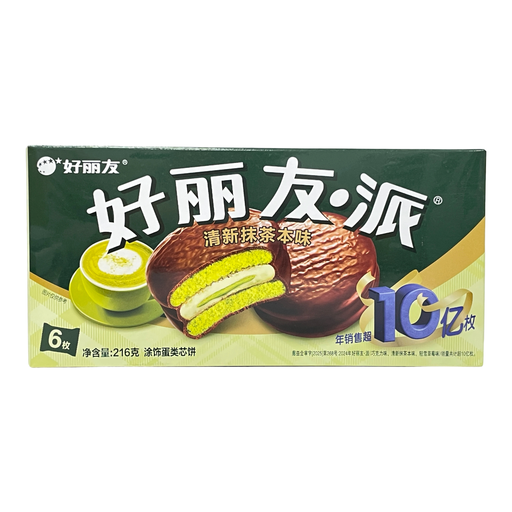
Why This Fits Their Persona: This individual is looking for unique snacks in the UK and enjoys more complex flavour and texture combinations. They have likely tried basic matcha chocolate and biscuits and are ready for something different.
While the matcha content is modest (≥0.26%), it avoids being a generic sweet by offering a multi-layered experience. The combination of a crispy chocolate-coated shell and a smooth cake filling provides a satisfying complexity.
This snack offers a rich, multi-textural bite that is quite different from standard biscuits or mochi. The individual packaging also makes it convenient for sharing or enjoying on the go.
We have compiled a complete, real-time list of products that fully satisfy these strict selection criteria and UK safety regulations.
Most pre-packaged matcha snacks should be stored in a cool, dry place away from direct sunlight. Once opened, it is a good idea to keep items like biscuits, wafers and cookies in an airtight container to maintain their crispness. For soft snacks like mochi, follow the package instructions; some may recommend refrigeration after opening to maintain texture and freshness.
Yes, there can be. Matcha is a specific type of finely ground powder made from specially grown and processed green tea leaves. It typically has a more vibrant green colour and a deeper, more complex flavour with umami notes. "Green tea" can be a broader term and may refer to flavour derived from other forms of tea, which can sometimes result in a milder or more astringent taste. For a richer experience, look for products specifying "matcha".
Not at all. The sweetness level varies greatly. Some snacks, like matcha-filled chocolates or certain cookies, are quite sweet to balance the tea's natural bitterness. Others, such as some green tea biscuits or snacks with a higher matcha content like Glico's Double Strong Bitter Matcha Pocky, intentionally have a less sweet, more pronounced tea flavour. Checking the sugar content on the nutritional information panel can give you a good indication of what to expect.