Workplace tea-station organisers
If you need around 240 individually portioned drinks, start with the bag count per pack. Six 40-sachet packs or twelve 20-bag packs make 240 portions; neither calculation establishes a single 240-bag box.


For a self-service morning break, portioned matcha-and-green-tea bags are simpler to organise than powder: six packs of Pukka’s stated 40-sachet format or twelve 20-bag packs would provide 240 bags. Choose matcha powder instead if someone can measure and whisk each serving. Check that a listing’s “240” means bags—not millilitres or grams—and confirm the ingredients and pack count before ordering.
If you need around 240 individually portioned drinks, start with the bag count per pack. Six 40-sachet packs or twelve 20-bag packs make 240 portions; neither calculation establishes a single 240-bag box.
Bagged options suit a station where people make their own cups. Check the ingredients: the Clearspring and Twinings examples are green-tea blends containing matcha, not bags of pure matcha powder.
Powder is a different service plan. Clearspring and JING give measured-serving methods that call for whisking or shaking, so decide who will prepare drinks and how portions will be managed.
Choose when: People need to make their own cups at a shared morning-break station.
Trade-off: A bagged green-tea blend is not the same drink as whisked 100% matcha powder.
Choose when: The plan calls for a measured powder drink and someone can prepare each serving.
Trade-off: Measuring and whisking or shaking add work to a 240-serving tea service.
| Priority | What to check | Your needs |
|---|---|---|
| Portion count | Confirm bags or sachets per pack and the number of packs ordered. Pukka identifies a 40-sachet large pack; its 20-bag size and the cited Clearspring and Twinings products are smaller formats. | I need a count I can use to plan 240 cups: six packs of 40 or twelve packs of 20, provided the selected listing matches that pack size. |
| Preparation | Compare the exact product instructions. Clearspring specifies a 1–2-minute infusion for Matcha Sencha; Tesco lists at least three minutes for Twinings Super Green Matcha. JING specifies measuring and whisking or shaking its powder. | If people will make their own drinks, bags keep the process portioned. For powder, I need a workable way to measure and prepare each cup. |
| Ingredients | Read the ingredient list rather than relying on “matcha” in the name. Clearspring states 2.5% matcha in Matcha Sencha; Tesco lists 15% in Twinings Super Green Matcha. Clearspring’s separate ceremonial powder lists 100% matcha. | The type of drink matters to me: a green-tea blend in a bag and a whisked powder serve are different choices. |
| Shared-station information | Keep the exact pack available for its ingredients and allergen information. Check product-specific caffeine information where needed; a dry-powder figure cannot establish caffeine in a brewed tea bag. | Others need to be able to check the drink they are offered, particularly when caffeine or ingredients affect their choice. |
Tesco’s matcha category includes a 240ml concentrate alongside bags and powder. The number alone does not tell you how many portions you are buying.
Check the unit and pack quantity on the product listing, then calculate the order from the stated number of bags or sachets.
Clearspring’s Matcha Sencha and Twinings Super Green Matcha are blends with different declared matcha proportions. Powder also calls for a different preparation method.
Read the ingredients and decide whether the break calls for an infused tea bag or a measured powder drink.
Clearspring’s approximate caffeine figure applies to 1g of its dry powder, not to an infusion made from another product’s tea bag.
Use information for the exact product and serving method; do not calculate brewed caffeine from the matcha percentage.
A twelve-pack order leaves more packs to store and distribute. Ingredients, dates and storage instructions need to suit the drinks actually being served.
Check the exact product’s ingredient and allergen label, best-before date and storage guidance before placing the bulk order.
A portioned matcha-green-tea-bag option for planning a larger tea station.
A 20-bag green-tea-and-matcha blend with a stated ingredient proportion.
Separate Matcha Sencha tea bags and 100% matcha powder offer two distinct ways to serve the drink.
A matcha-powder option for a tea service that can measure and prepare individual drinks.
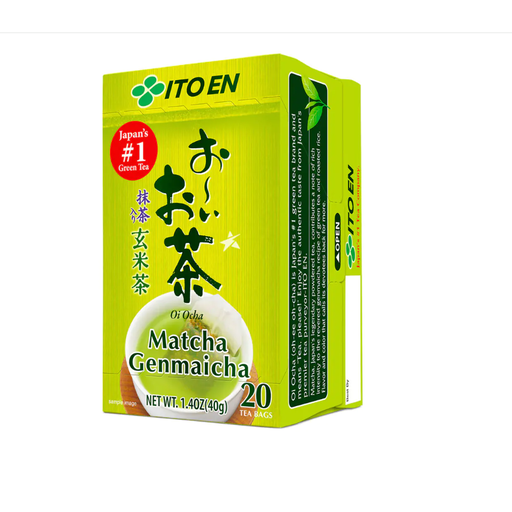
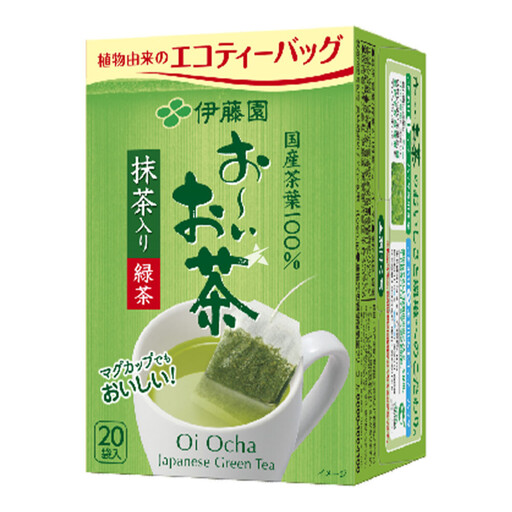
These matcha-containing tea bags suit the portioned-bag route for a morning break. Each listed pack has 20 bags, so a 240-bag plan would require twelve packs of the same product; confirm the quantity and dates before ordering.
 No image available
The 20-bag pack allows a twelve-pack plan for 240 portioned cups. This is matcha genmaicha, not pure matcha powder; check the pack’s ingredients and brewing directions if either affects your choice.
 No image available
Each pack contains 20 green-tea bags with matcha, making twelve packs a 240-bag plan. Check the exact pack’s ingredients and preparation instructions if the matcha proportion or brewing method matters.
Not necessarily: it may describe a volume or weight instead. Tesco’s matcha category, for example, includes a 240ml concentrate. For 240 bags, confirm the bag count and number of packs on the exact listing; six 40-sachet packs or twelve 20-bag packs give that total.
No. Clearspring lists its Matcha Sencha bags as 97.5% sencha and 2.5% matcha, while Tesco lists Twinings Super Green Matcha bags as 84% green tea and 15% matcha. Clearspring’s separate powder lists 100% matcha and uses a measured, whisked preparation method.
Follow the instructions for the product being served. Clearspring says to let boiled water cool for a minute before infusing its Matcha Sencha bag for 1–2 minutes; Tesco instructs at least three minutes for Twinings Super Green Matcha. JING specifies 1.5g of powder per 160ml cup with 70°C water and a 30-second whisk or shake.
Keep the exact product packaging accessible so people can check ingredients, allergens and preparation instructions. GOV.UK guidance says that prepacked food or drink containing any of the 14 named allergens must clearly identify them in the ingredients list; do not assume different tea blends have identical labels.