If matcha content matters most during a short lunch break, Clearspring Organic Japanese Matcha Sencha is a tea-bag option: Clearspring lists 2.5% matcha alongside 97.5% sencha and specifies a 1–2 minute infusion after the water has cooled for a minute. If pyramid shape matters more, JING describes its whole-leaf tea bags as pyramid-shaped, while Teapigs Mao Feng is a green tea rather than a stated matcha blend. The Joybuy EDO listing names both matcha and pyramid bags; check its pack ingredients and brewing directions before deciding whether it meets both needs during your break.
Who is each format for?
Students with little time between lectures
A bag you can prepare in a mug may suit a short lunch break, provided you have hot water and time to follow the instructions. Clearspring specifies one minute for its boiled water to cool, followed by a 1–2 minute infusion; Teapigs specifies a three-minute brew for Mao Feng.
Matcha seekers who would rather use a tea bag
If you want matcha as a labelled ingredient without preparing powder separately, check the blend rather than the bag shape. Clearspring lists its Matcha Sencha as 97.5% sencha leaves and 2.5% matcha powder.
Buyers who care most about pyramid shape
JING describes its bags as spacious and pyramid-shaped, with room for whole leaves to infuse. That construction alone does not establish matcha content, so check the ingredients if you want both.
What should you check before buying?
Decide whether matcha in the ingredients or pyramid-bag shape is essential, then check whether the stated preparation fits the time and hot water available at lunch.
| Priority | What to check | Your needs |
|---|
| Time to brew |
Read both the water instructions and infusion time. Clearspring specifies cooling freshly boiled water for one minute before a 1–2 minute infusion; Teapigs specifies 80°C water and three minutes for Mao Feng. |
I have a short break and need a method I can complete with the hot water available on campus. |
| Matcha content |
Check whether matcha appears in the ingredients and whether the product is an infused tea blend or powder prepared separately. Clearspring lists 2.5% matcha powder in its Matcha Sencha blend. |
If matcha itself is the point, I want it listed as an ingredient, not merely suggested by the tea's presentation. |
| Bag shape |
Look for product-specific confirmation of a pyramid bag. JING says its whole-leaf tea bags are pyramid-shaped; the term does not, by itself, describe their ingredients. |
I would choose a pyramid bag for its shape, but I still need to check separately for matcha. |
| Caffeine |
Check the product information when caffeine affects your choice. Teapigs says Mao Feng naturally contains caffeine, and JING says matcha contains caffeine. |
Tea will be one of several caffeinated drinks in my day, so I want to account for it alongside the others. |
Mistakes to avoid
-
Assuming pyramid-shaped means matcha-containing
JING describes the shape and whole-leaf construction of its tea bags, but bag shape does not identify what tea is inside.
Check the ingredients as well as the format. If matcha is essential, look for it by name on the product information.
-
Expecting a matcha tea bag to be the same as prepared matcha powder
Clearspring's bag infuses a blend of sencha leaves and matcha powder. JING describes prepared matcha as ground leaf mixed into water and consumed rather than discarded after infusion.
Choose the bag for a mug-based infusion; choose powder if that different preparation is what you want and you have a way to mix it.
-
Overlooking the water instructions
The stated methods differ: Clearspring calls for a cooling period before infusion, while Teapigs gives a specific water temperature and a three-minute brew for Mao Feng.
Check what water you can access and allow for the full stated method, not just the infusion time.
-
Forgetting that tea can contain caffeine
Teapigs identifies caffeine in Mao Feng green tea, and JING identifies caffeine in matcha. Other caffeinated drinks may also be part of your day.
Check the tea information and consider it alongside the coffee, cola or energy drinks you plan to have.
Relevant brand references
These examples illustrate the ingredient and format distinction; a brand name alone cannot tell you whether an individual bag contains matcha or is pyramid-shaped.
Clearspring
Organic Japanese Matcha Sencha is a matcha-containing tea-bag option with a stated preparation method.
- Clearspring lists 20 sachets, with 97.5% sencha leaves and 2.5% matcha powder, and specifies a 1–2 minute infusion after the water has cooled for a minute.
- Its product description calls these tea sachets; it does not establish that they are pyramid-shaped.
JING Tea
JING describes its whole-leaf tea bags as spacious and pyramid-shaped.
- According to JING, the bags contain the same teas as its loose-leaf range and give whole leaves room to infuse.
- The bag description does not establish that a particular pyramid-bag green tea contains matcha; check the individual product's ingredients.
Teapigs
Mao Feng Tea Temples offer a bagged green-tea alternative with specific brewing instructions.
- Teapigs specifies one Tea Temple per person, brewed for three minutes with water at 80°C.
- Teapigs lists pure Mao Feng green tea as the ingredient, not matcha.
Joybuy tea-bag options
These options include a matcha-labelled pyramid bag, a Jade green-tea pyramid bag and a matcha-labelled genmaicha tea bag. Compare their ingredients, bag shape and preparation instructions against what you need for lunch.
 No image available
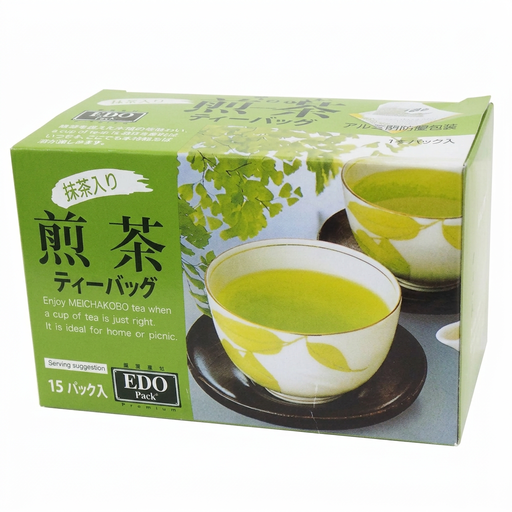
Cooling Hydration EDO Matcha Injected Sencha Pyramid Tea Bags, 30g
For a lunch where both matcha labelling and pyramid shape matter, this product name identifies a sencha tea in pyramid bags. The stated pack weight is 30g; check the ingredients, number of bags and brewing directions against your break.
View on Joybuy
 No image available
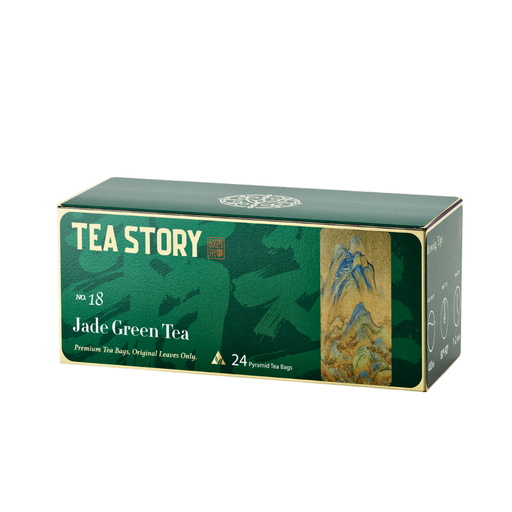
TEA STORY Jade Green Tea Pyramid Bags, 24 × 2g
Choose this format to consider a pyramid-bag green tea for your lunch mug. The name specifies 24 bags of 2g each; check the ingredients if matcha matters to you and follow the pack's brewing directions.
View on Joybuy
 No image available
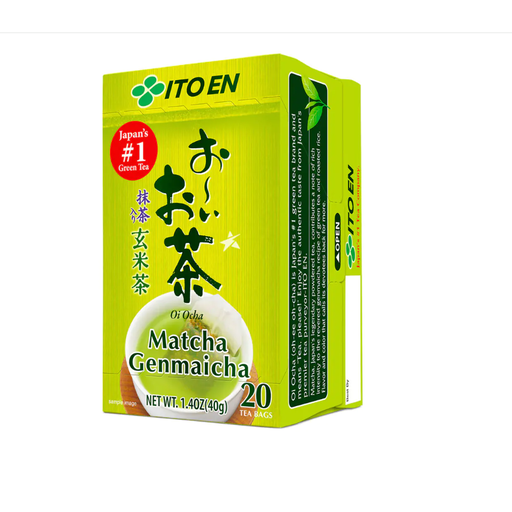
Itoen Oi Ocha Japanese Matcha Genmaicha Tea Bags, 20 Bags, 40g
For a matcha-labelled tea to take to lunch in bags, this Itoen genmaicha comes as 20 bags with a stated pack weight of 40g. Check the bag shape if pyramid construction is essential, and read the brewing directions before planning a short break around it.
View on Joybuy
Common questions
Are matcha tea bags always pyramid bags?
No. Matcha identifies an ingredient, while pyramid describes bag shape. Clearspring lists matcha in its Matcha Sencha tea sachets without describing them as pyramid-shaped; check both details on any product where they matter.
Is a tea bag or matcha powder simpler for a lecture lunch?
A tea bag requires fewer preparation items if you have a mug and suitable hot water. Clearspring specifies an infusion method for its Matcha Sencha bag; JING describes matcha powder as ground leaf mixed into water and consumed, so powder calls for a suitable way to mix it.
Can I use water straight from a campus kettle?
Follow the chosen product's instructions rather than assuming freshly boiled water is ready to use. Clearspring says to let it cool for one minute before infusing Matcha Sencha for 1–2 minutes; Teapigs specifies 80°C water and three minutes for Mao Feng.
Do matcha and green tea contain caffeine?
They can: JING identifies caffeine in matcha, and Teapigs says its Mao Feng green tea naturally contains caffeine. Check the individual product information when caffeine affects your choice.


