Travelling with access to hot water
If you have a cup but do not want to measure or whisk powder, consider a matcha-containing tea bag. Clearspring’s matcha-sencha sachets, for example, need hot water and a 1–2 minute infusion.


Choose a matcha-containing tea bag if you expect to have hot water but little mixing equipment. A portioned powder stick makes more sense when you can bring the liquid and cup or shaker its directions require; pure powder suits a planned plain drink, but needs measuring and mixing. Check the ingredients and preparation directions for the particular product before packing it.
The useful distinction is what you can prepare on the train, not whether a pack is described simply as matcha.
If you have a cup but do not want to measure or whisk powder, consider a matcha-containing tea bag. Clearspring’s matcha-sencha sachets, for example, need hot water and a 1–2 minute infusion.
A portioned stick avoids measuring powder, but check what you must add and how you will mix it. The PerfectTed variety sticks listed by Waitrose call for 200 ml of milk and whisking, blending or shaking.
Pure powder gives you a different drink from an infused tea blend. It is a more practical choice when you can measure a serving and arrange the water and mixing method specified on the pack; JING Tea’s ceremonial powder, for example, specifies 70°C water and shaking or whisking.
Start with the liquid and equipment you will have, then decide whether you want an infused tea, a latte or a plain powder drink.
| Priority | What to check | Your needs |
|---|---|---|
| Preparation | Check the required liquid, amount and mixing method. Clearspring directs a 1–2 minute hot-water infusion for its matcha-sencha bags; Waitrose lists 200 ml of milk and whisking, blending or shaking for the PerfectTed variety sticks. | I’ll have hot water but little equipment, or I can bring the milk and a way to mix a stick. Either way, I need to know what is available on my journey. |
| Type of drink | Distinguish infused tea from whisked powder. Clearspring’s tea bags contain sencha and 2.5% matcha; JING Tea positions its ceremonial powder for drinking plain and its culinary matcha for drinks with milk or sugar. | If I want a hot infused tea, a bag fits that plan. For a plain powder drink or latte, I need the appropriate powder and a workable mixing method. |
| Ingredients | Read the exact variant’s ingredients. Clearspring lists its premium powder as 100% matcha, while the flavoured sticks in the Waitrose-listed PerfectTed variety pack contain coconut sugar and flavourings. | I want to know whether I’m packing pure matcha, a tea blend or a flavoured drink to have with my food. |
| Caffeine | Check the serving size and any product caffeine information. Clearspring estimates approximately 32 mg of caffeine per 1 g of its dry premium powder; that figure does not describe every matcha product. | Other caffeinated drinks or foods may be part of my day too. During pregnancy, the NHS advises a limit of 200 mg of caffeine a day from all sources. |
The Waitrose-listed PerfectTed sticks are portioned, but their directions still call for 200 ml of milk and whisking, blending or shaking.
Choose them only if you can arrange the milk and a suitable cup, bottle or shaker. If hot water is all you expect to have, check a tea-bag blend instead.
Milk and mixing equipment add things to carry or obtain during the journey.
JING Tea positions its ceremonial matcha for whisking plain with water, while describing culinary matcha as suited to milk, sugar and cooking.
Decide whether you intend to drink matcha plain or make a latte, then check the preparation directions for the powder you are considering.
A pure matcha powder and a flavoured variety stick have different ingredient lists. Waitrose lists coconut sugar and flavourings in the flavoured PerfectTed sticks.
Check the ingredients and allergen information on the exact flavour and pack you buy, rather than relying on the word “matcha” on the front.
Powder quantities and products differ. Clearspring estimates approximately 32 mg of caffeine per 1 g of its dry premium matcha; this is not a figure for every tea bag, stick or prepared drink.
Use the serving directions and caffeine information for your product. During pregnancy, the NHS advises no more than 200 mg of caffeine a day from all sources.
These examples illustrate different formats and preparation directions; a brand’s inclusion here does not mean every product in its range suits a train journey.
Clearspring lists both matcha-sencha tea bags and a separate 100% organic matcha powder.
JING Tea distinguishes ceremonial matcha for a plain drink from culinary matcha for milk, sugar and cooking.
Waitrose lists an eight-stick PerfectTed matcha variety pack with directions for making a milk-based drink.
Teapigs has a UK matcha category. For a journey, choose by the ingredients and preparation directions of the particular product rather than the category name.
M&S describes café matcha drinks made with PerfectTed matcha and a choice of dairy, oat, coconut or soya milk.
These options include portioned matcha-drink sachets, a ready-to-drink latte and a matcha-containing tea-bag blend. What you need to bring or prepare depends on the individual product.
 Image unavailable
Portioned sachets are an option if you can bring a cup and stir the drink. The stated preparation uses 200 ml of hot water or plant-based milk per sachet. The listing identifies oats among the ingredients and carries a caffeine-related caution for children, pregnant women and people highly sensitive to caffeine; check the current pack.
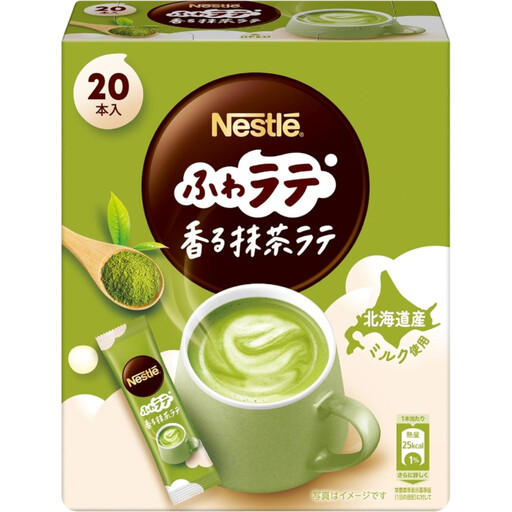 Image unavailable
Individual portions suit a journey where you can use a cup and stir the powder. The stated hot-drink method uses water at approximately 80°C; the product information also describes a cold-drink method. The listing identifies milk and aspartame, including a source of phenylalanine, so check the ingredients if these matter to you.
 Image unavailable
This is a ready-to-drink oat-based latte for a journey without hot water or mixing equipment: the directions say to shake gently and consume immediately after opening. The listing states 0.7% matcha and 60 mg of caffeine per can, and advises against use by children, pregnant or breastfeeding women and people sensitive to caffeine. It is not pure matcha powder.
 Image unavailable
These individual sachets fit a plan that includes hot water, a cup and stirring; the stated amount is 150–200 ml of water per sachet. This is an oat-and-matcha blend containing sugar, not pure matcha. The listing identifies milk, soy and oats and says the product may contain traces of wheat and nuts; check the pack if allergens matter to you.
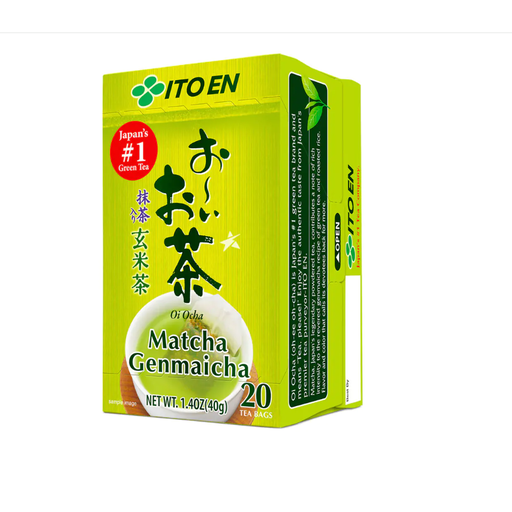 Image unavailable
The tea-bag format avoids measuring loose powder and suits someone looking for a roasted-rice and green-tea blend. The listed ingredients include 60% roasted rice and 3% matcha, so this is not a pure matcha drink. Check the pack’s brewing directions when planning how to make it on the train.
A matcha-containing tea bag needs less equipment than the powder examples if you have hot water and a cup. Clearspring directs a 1–2 minute infusion for its matcha-sencha bags; the Waitrose-listed PerfectTed sticks instead require milk and whisking, blending or shaking.
The Waitrose directions for that eight-stick variety pack specify 200 ml of milk, followed by whisking, blending or shaking. If you plan to take it on a train, arrange the milk and something suitable to mix it in rather than assuming hot water alone follows those directions.
Choose for the drink you intend to make rather than the grade name alone. JING Tea positions its ceremonial matcha for whisking plain with water and its culinary matcha for preparations with milk or sugar; either powder still needs a practical mixing method on a journey.
The NHS advises no more than 200 mg of caffeine a day during pregnancy from all sources, including tea, coffee, chocolate and some supplements. Check the amount and directions for the particular matcha product: Clearspring estimates approximately 32 mg per 1 g of its dry premium powder, but that figure cannot be applied to every matcha serving.
Yes—check the exact flavour and current pack. The Waitrose-listed PerfectTed variety sticks differ by flavour, with coconut sugar and flavourings in the flavoured sticks, and Waitrose advises that recipes and allergen information can change.