Shoppers looking specifically for matcha
You want to distinguish ground matcha from a blend containing some matcha and from an infusion made only with green-tea leaves. Check the ingredient list before choosing a convenient bag.


If you specifically want matcha, check the ingredients rather than treating a pyramid bag as proof: matcha powder, a matcha-containing tea bag and an ordinary green-tea bag are different purchases. If a straightforward mug brew matters more, choose a bag by its stated ingredients and brewing instructions, and consider caffeine from your other drinks when planning late revision breaks.
The useful starting point is what you want in the cup, not how elaborate the bag looks.
You want to distinguish ground matcha from a blend containing some matcha and from an infusion made only with green-tea leaves. Check the ingredient list before choosing a convenient bag.
You would rather brew a bag in a mug than prepare loose leaf or whisk powder. A pyramid-format green tea may suit that routine if matcha is not essential.
You want to consider caffeine from tea alongside coffee, energy drinks or supplements. If you do not want to add caffeine to an evening break, check for an infusion labelled caffeine-free rather than assuming a green-tea bag is one.
Decide whether the matcha ingredient or the ease of a bag matters more for your revision break. Then check the exact product’s preparation, caffeine information and label.
| Priority | What to check | Your needs |
|---|---|---|
| Matcha content | Read the ingredient list and any stated matcha percentage. M&S Food describes matcha as ground green-tea leaves; a pyramid shape describes the bag, not its contents. Clearspring labels its Matcha Sencha as 97.5% sencha and 2.5% matcha. | I want to know whether I am buying matcha powder, a blend containing matcha or a green-tea infusion without matcha. |
| Preparation | Check whether the product is powder or a tea bag, then follow its own water and brewing directions. Teapigs specifies 80°C water and a three-minute brew for its Mao Feng Tea Temple; those directions should not be assumed for other bags. | A bag I can brew in a mug suits a short break; if I choose powder, I can allow time to whisk or shake it. |
| Caffeine | Look for product-specific caffeine information and account for other sources. GOV.UK advises considering caffeine in tea alongside sources such as coffee, energy drinks and supplements. Teapigs labels its honeybush and rooibos Tea Temple naturally caffeine-free. | For a late revision break, I may prefer a drink that does not add caffeine, even though a caffeine-free infusion is not matcha. |
| Ingredients and packaging | Check the current pack for ingredients, allergens and disposal instructions. JING describes its own pyramid bags as plant-based and biodegradable without plastic sealing; that description does not establish how another brand’s bags should be disposed of. | If an ingredient or packaging detail matters to me, I need the information for the exact tea and pack I am buying. |
Pyramid describes the bag’s construction. Teapigs Mao Feng Tea Temples are green tea, while matcha is ground tea leaf; the two labels do not mean the same thing.
Read the tea name and full ingredient list. If matcha is essential, confirm that it is explicitly listed rather than relying on the bag shape.
They differ in ingredients and preparation. For example, Clearspring lists its Matcha Sencha bags as 97.5% sencha and 2.5% matcha, whereas its Matcha Shot is portioned matcha powder for preparing a drink.
Compare the stated matcha content and preparation directions for each format before deciding which fits your break.
Tea may add to caffeine already consumed from coffee, energy drinks or supplements. The amount can differ between products and servings.
Check the product’s caffeine information where available and consider what else you drink during revision. If you want to avoid adding caffeine, look for an infusion explicitly labelled caffeine-free.
JING’s description of plant-based, biodegradable pyramid bags applies to its own products. It does not establish the materials or disposal method of every pyramid bag.
Follow the instructions on the exact pack rather than assuming all premium-looking bags use the same materials.
These brands illustrate different tea formats; their ranges should not be treated as interchangeable with the Joybuy products below.
A reference for comparing portioned matcha powder with a matcha-containing tea bag.
A reference for pyramid-bag brewing, with different teas suited to different ingredient and caffeine preferences.
A reference for whole-leaf tea in pyramid bags alongside a separate matcha-powder range.
These options cover a pyramid bag labelled with matcha and sencha, a green-tea pyramid bag, and a matcha genmaicha tea bag. Check the ingredient and format details of each rather than assuming they provide the same kind of matcha drink.
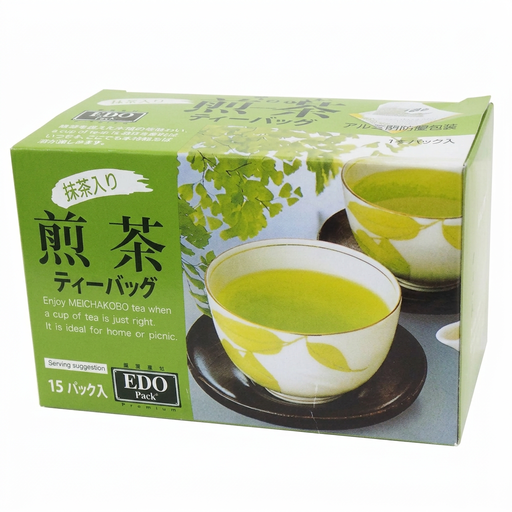 No image available
The title identifies a pyramid-bag format for a mug brew and names both matcha and sencha. Check the pack’s ingredient proportions, bag count, brewing directions and caffeine information if those details affect your choice.
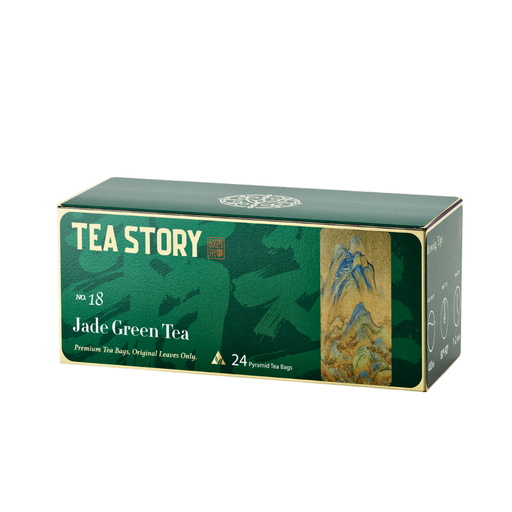 No image available
This is a green-tea pyramid-bag option for a bag-based revision break, rather than a confirmed matcha choice. The title states 24 bags of 2g each; check the pack for brewing and caffeine information.
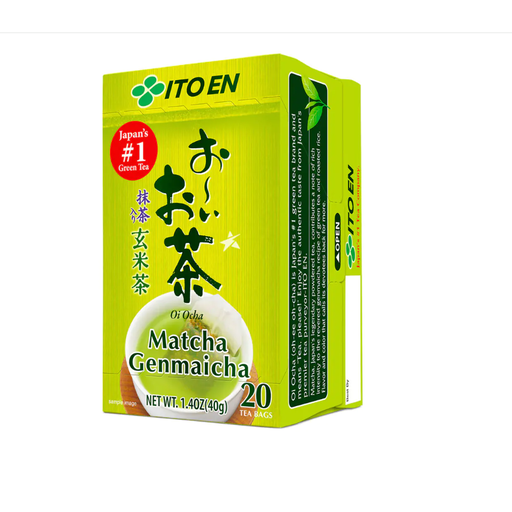 No image available
The title identifies matcha genmaicha in a tea-bag format, with 20 bags and a 40g pack weight. If pyramid construction matters, check the pack rather than assuming that every matcha tea bag has that shape; check its brewing and caffeine information too.
No. “Matcha” describes an ingredient, while “pyramid” describes a bag shape. Clearspring labels its Matcha Sencha as 97.5% sencha and 2.5% matcha; Teapigs Mao Feng Tea Temples illustrate that a pyramid bag can instead contain green tea without matcha. Check both the ingredients and the format.
Follow the directions for the particular tea. Teapigs specifies one Tea Temple per person, water at 80°C and a three-minute brew for its Mao Feng green tea; those instructions are not a rule for every pyramid bag or for matcha powder.
Consider caffeine from your tea together with other drinks and supplements, rather than judging a cup in isolation. GOV.UK advises accounting for sources including tea, coffee and energy drinks. If you want a break without adding caffeine, choose an infusion explicitly labelled caffeine-free; Teapigs gives that description to its honeybush and rooibos Tea Temple, which is not matcha.
Read the current ingredient and allergen information on the exact pack before buying or drinking it. Product formulations and retailer listings can change, so a category description or an older listing should not replace the pack label; ask the seller for ingredient information if buying a prepared drink.