Quick mug-brew drinkers
A matcha–sencha tea bag suits a hot drink made by steeping, without measuring or whisking powder. Check the blend ratio: Clearspring’s Matcha Sencha is primarily sencha, with 2.5% matcha.


For a quick hot mug, a matcha–sencha tea bag offers ordinary steeping, but Clearspring’s version is 97.5% sencha and 2.5% matcha. If you want to drink the powder itself, Waitrose lists Clearspring Matcha Shot as 100% matcha to be whisked into hot water. Choose a pyramid green-tea bag when the whole-leaf infusion and bag format matter more, and check the ingredients if you also want matcha.
The deciding difference is whether you want to steep a bag or mix matcha powder into the drink.
A matcha–sencha tea bag suits a hot drink made by steeping, without measuring or whisking powder. Check the blend ratio: Clearspring’s Matcha Sencha is primarily sencha, with 2.5% matcha.
A pre-portioned powder sachet suits you if drinking matcha itself matters more than steeping a bag. It needs mixing; Waitrose’s instructions for Clearspring Matcha Shot specify whisking the powder with hot water.
If you want a whole-leaf infusion in a pyramid bag, consider that format on its own terms. JING Tea describes its pyramid bags as whole-leaf tea bags, while it sells matcha separately as powder; bag shape alone does not establish matcha content.
Choose between an infusion and a mixed powder first, then check the ingredients, preparation instructions and bag construction on the particular product.
Choose it when: You want to steep a bag for a straightforward hot mug.
Trade-off: Clearspring’s Matcha Sencha is an infused blend containing 2.5% matcha, not a drink made entirely from matcha powder.
Choose it when: You want a portion of matcha powder mixed into the drink rather than a steeped infusion.
Trade-off: A powder sachet needs mixing or whisking and is not a pyramid tea bag.
Choose it when: The pyramid-bag format and a brewed whole-leaf green tea matter more to you than consuming matcha powder.
Trade-off: A whole-leaf green-tea bag is not necessarily a matcha product; check its ingredients.
| Priority | What to check | Your needs |
|---|---|---|
| Ingredients | Read the matcha percentage and the other listed ingredients. Clearspring lists its Matcha Sencha as 97.5% sencha and 2.5% matcha; Waitrose lists Clearspring Matcha Shot as 100% matcha powder. | I want to know whether I am buying a green-tea blend with some matcha or a portion of matcha powder. |
| Preparation | Check whether the product is steeped and removed or mixed into the drink. Clearspring advises a 1–2 minute infusion for Matcha Sencha; Waitrose gives whisking instructions for Matcha Shot. | For a quick winter mug, I would rather steep a bag than whisk powder. If I want to drink the powder, I can allow for the extra mixing. |
| Bag format | Confirm that the particular product is a pyramid bag, then check its ingredients. JING Tea describes its own pyramid bags as spacious whole-leaf bags; that description does not establish matcha content for other bags. | The pyramid shape matters to me, but I do not want to mistake a whole-leaf green-tea infusion for a matcha powder drink. |
| Caffeine | Check caffeine information for the specific drink and consider other caffeine sources. The NHS identifies tea as a caffeine source and advises a 200 mg daily caffeine limit during pregnancy and breastfeeding. | If I need to keep track of caffeine, I cannot assume a green-tea or matcha-labelled drink is caffeine-free. |
Clearspring’s Matcha Sencha contains 97.5% sencha leaves and 2.5% matcha powder, so it is a different format from its 100% matcha powder sachet listed by Waitrose.
Read the ingredient list and matcha percentage before choosing between a brewed blend and powder mixed into the drink.
A whole-leaf pyramid bag is steeped as an infusion. Matcha powder is mixed into the drink and consumed rather than removed with a bag.
Decide which preparation you want, and check the exact product’s ingredients instead of treating pyramid shape as evidence of matcha content.
A portioned matcha powder sachet and a tea bag made from an infused-leaf blend contain different ingredients and are prepared differently.
Compare the number of portions, ingredients and intended preparation before deciding which format meets your need.
The NHS identifies tea as a caffeine source. Caffeine is particularly relevant when considering the NHS’s daily guidance for pregnancy or breastfeeding.
Check the specific pack for caffeine information, and look for explicit caffeine-free labelling if that is what you need.
These examples help distinguish tea-bag, pyramid-bag and powder formats; a brand’s inclusion here does not establish the format of every product it sells.
Offers Matcha Sencha tea sachets for steeping and a separate Matcha Shot powder format.
Describes spacious whole-leaf pyramid tea bags and sells matcha in a separate powder collection.
Lists bagged green teas, including mao feng green tea and green tea with mint, alongside a separate matcha category.
Its product listings show both Clearspring Matcha Shot powder sachets and Clearspring Matcha Sencha tea bags.
Lists a camomile infusion in silken pyramid bags and a separate decaffeinated tea-bag product.
These options include a matcha-labelled pyramid sencha bag, portioned matcha powder and a bagged matcha genmaicha blend. Check each product’s ingredients and preparation instructions against the kind of winter drink you want.
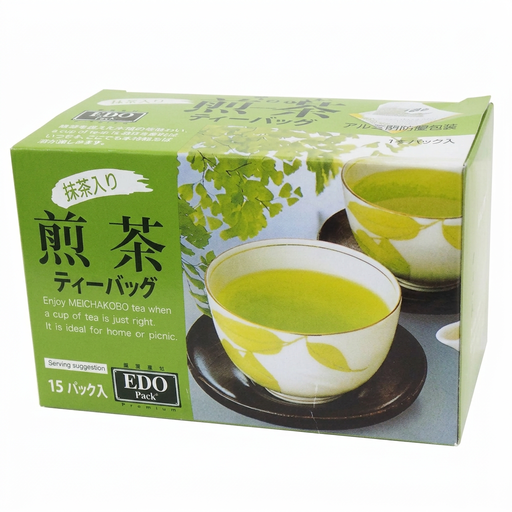 Image unavailable
A pyramid-bag choice if you want a brewed sencha drink labelled as matcha-infused rather than a powder to whisk.
The title specifies a 30 g pack. Check the ingredients for the matcha proportion and the pack for hot-brewing instructions.
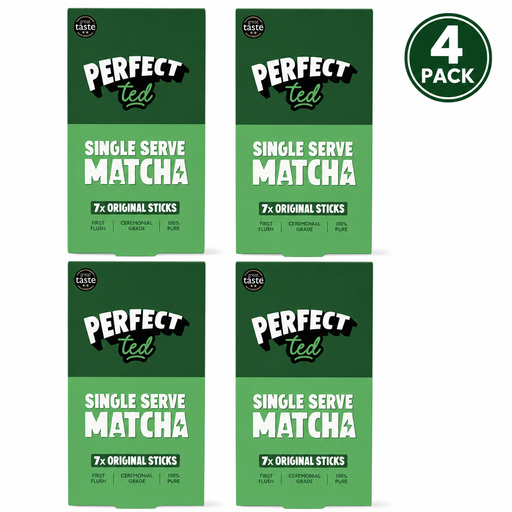 Image unavailable
A portioned powder option if you would rather mix matcha into a drink than steep a tea bag.
The title specifies four packs of seven 1.5 g sachets. Check the pack’s instructions for making a hot drink; these are not pyramid bags.
 Image unavailable
This smaller pack offers portioned matcha powder rather than an infused tea-bag drink.
The title specifies seven 1.5 g sachets. Check the preparation instructions if you plan to serve them hot; this is not a pyramid-bag product.
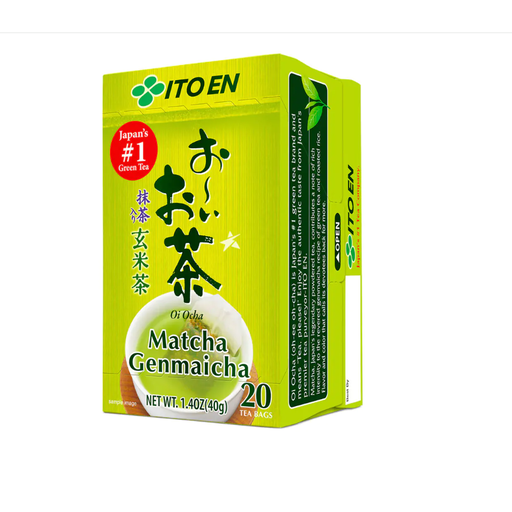 Image unavailable
A bagged matcha genmaicha option for a brewed drink, rather than a sachet of matcha powder.
The title specifies 20 bags and 40 g. Check the ingredients for the matcha proportion and confirm the bag shape if you specifically want pyramids.
No, not necessarily. Clearspring lists its Matcha Sencha bag as 97.5% sencha leaves and 2.5% matcha powder, brewed as an infusion. Waitrose lists Clearspring Matcha Shot as 100% matcha powder to be whisked into the drink. Check the ingredients and preparation method on the product you choose.
The shape alone does not tell you. JING Tea describes its pyramid bags as whole-leaf tea bags and presents matcha separately as powder. Check the ingredients of the particular pyramid bag if matcha content matters to you.
Clearspring advises letting freshly boiled water cool for a minute, then infusing the Matcha Sencha bag for 1–2 minutes. Follow the instructions on your pack if you buy a different blend.
Waitrose’s instructions say to whisk Clearspring Matcha Shot with 30 ml of hot water for a shot, then add hot water if you want a longer drink. It is mixed powder, not a bag to steep.
Check the specific drink’s caffeine information and account for other sources of caffeine. The NHS identifies tea as a caffeine source and advises no more than 200 mg of caffeine a day during pregnancy and breastfeeding; its breastfeeding guidance notes that caffeine in tea can vary with the type and brewing time.