Home latte and baking shoppers
If you want one powder for milk drinks and recipes while choosing your own sweetener, start with pure matcha labelled for both drinking and home baking. Clearspring describes its premium powder for those two uses.


For a plain drink whisked with water, choose a pure matcha powder intended for that preparation; for lattes and baking, look for a pure powder whose instructions also cover mixed drinks or recipes. A flavoured latte blend offers a prepared flavour, while a matcha tea bag makes an infused drink rather than supplying powder for cooking. Grade names alone do not settle the choice: JING Tea says matcha grading is not strictly regulated, so check the ingredients and intended use.
If you want one powder for milk drinks and recipes while choosing your own sweetener, start with pure matcha labelled for both drinking and home baking. Clearspring describes its premium powder for those two uses.
If you mainly whisk matcha with water, look for a pure powder with clear preparation instructions. JING Tea gives a measured water-based preparation for its ceremonial matcha; the grade name alone is not a quality guarantee.
If you would rather use a prepared latte blend or brew a tea bag, decide which drink you actually want. A flavoured powder fixes more of the drink’s ingredients, while a matcha tea bag produces an infusion, not a bowl of whisked powder.
Choose the preparation first, then compare the ingredient list and the serving information on products made for that use.
| Priority | What to check | Your needs |
|---|---|---|
| Intended use | Check whether the powder is intended for whisking with water, mixing with milk or adding to recipes. JING Tea says grade terms are not strictly regulated. | For a plain hot drink, I want to notice the matcha itself. For a latte or baking, I need a powder with instructions that cover mixed drinks or recipes. |
| Ingredients | Read the full list: pure matcha and a sweetened, flavoured blend are different purchases. Check the matcha proportion and nutrition per stated serving where provided. | I want to choose my own milk and sweetener, or I would rather use a blend with the flavour already added. |
| Preparation | Compare loose powder, portioned sachets and tea bags. Check the product’s mixing or brewing directions before planning a hot drink. | On a busy morning, I may prefer a measured portion or an infused mug; for cooking, I need powder rather than a tea bag. |
| Caffeine | Compare caffeine using both the declared amount and serving mass, then account for other caffeine-containing drinks. Waitrose lists 68 mg per 2 g serving for PerfectTed pure powder and 43 mg per 5 g serving for its vanilla blend; these are different products and serving sizes. | If I am tracking caffeine, I need the figure for the particular product and amount I use, not an assumption based on a teaspoon of another blend. |
JING Tea says matcha grade names are not strictly regulated, so the label does not establish how a powder will suit a latte or a recipe.
Decide whether you will drink it with water, mix it with milk or cook with it, then check the ingredients and preparation guidance.
A flavoured blend can already contain sweetener and other ingredients. The PerfectTed Vanilla Bean product listed by Waitrose contains coconut sugar, matcha and natural flavourings.
Choose a product listing only matcha if you want to control what else goes into the drink.
Waitrose declares 68 mg of caffeine per 2 g serving for one PerfectTed pure powder and 43 mg per 5 g serving for its vanilla blend. A teaspoon is not a shared comparison basis for these products.
Use each pack’s stated serving size and include caffeine from other drinks when tracking your intake. In September 2024 guidance, Food Standards Scotland and the Food Standards Agency recommend a limit of 200 mg of caffeine per day during pregnancy.
A matcha tea bag is made for infusion. Clearspring’s Matcha Genmaicha tea bags contain sencha, roasted brown rice and 2.5% matcha, rather than a portion of pure matcha powder.
Use matcha powder when a latte or recipe calls for powder; choose tea bags when you want an infused mug of tea.
Clearspring describes its premium matcha powder for drinking and home baking. Its Matcha Genmaicha tea bags offer a separate, infusion-style format.
JING Tea’s ceremonial matcha is positioned for a drink whisked with water; its product instructions specify 1.5 g per 160 ml at 70°C.
PerfectTed products listed by Waitrose illustrate the difference between pure matcha powder and a flavoured vanilla blend.
Waitrose is a retailer reference for comparing matcha powder, flavoured blends and tea-bag formats; it is not a matcha grade or product maker in this comparison.
These options cover portioned latte mixes, loose and portioned matcha powder, and a matcha-genmaicha tea-bag blend. Choose between them by the drink or recipe you plan to make.
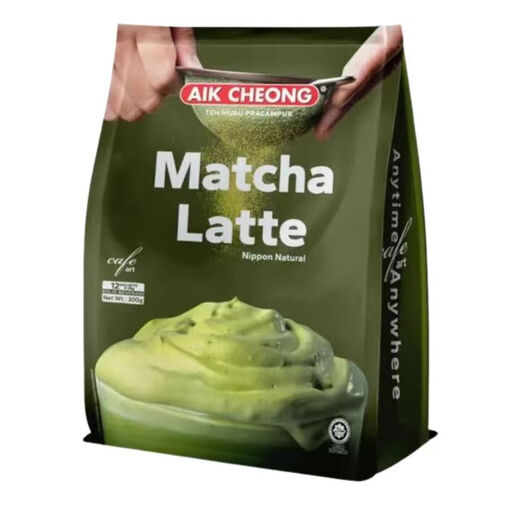 No image available
A portioned instant-latte option for a warm drink rather than a plain whisked matcha. Check the current ingredients and allergen label if milk or soy matters to your choice, and the caffeine information if you track your intake.
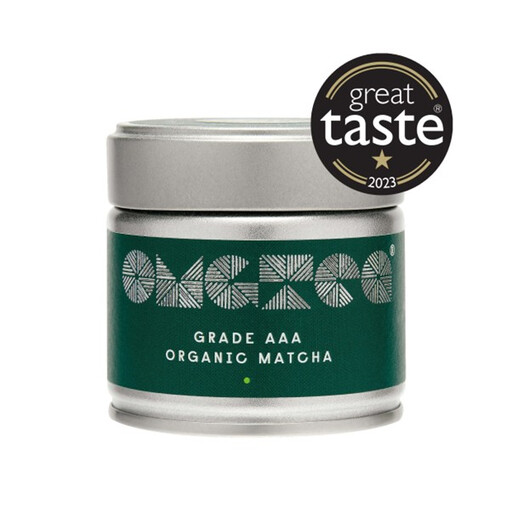 No image available
A loose-powder option to consider if you want to measure matcha for drinks or cooking instead of using a prepared latte blend. Check the pack’s directions for your intended hot drink and its caffeine figure per serving.
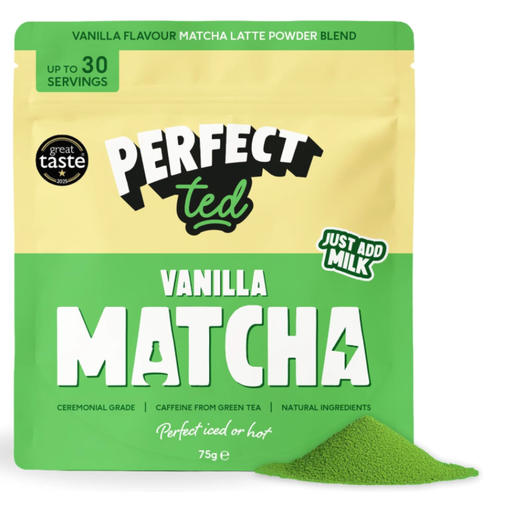 No image available
A flavoured powder to consider when you want vanilla in the drink rather than adding it separately. Check the tin for its current ingredients, matcha proportion, hot-drink directions and caffeine per serving.
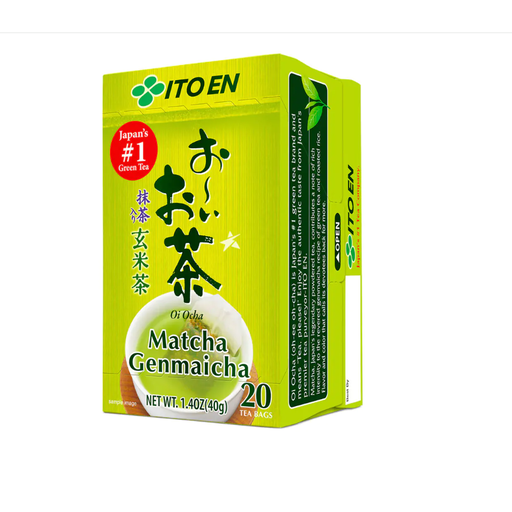 No image available
Choose this tea-bag format for an infused mug with matcha and genmaicha, not when a latte or recipe calls for pure matcha powder. Follow the brewing directions on the pack and check its caffeine information if needed.
 No image available
Pre-portioned matcha powder suits someone who would rather not measure from a tin. Check the pack’s instructions before choosing it for a hot bowl, and use its own caffeine figure if you track your intake.
For a latte, start with a powder intended for mixed drinks rather than choosing by grade name alone. JING Tea describes culinary matcha for recipes and mixed drinks, while its ceremonial product is intended for whisking with water; JING also notes that grade terms are not strictly regulated.
No. The PerfectTed Vanilla Bean blend listed by Waitrose contains coconut sugar, matcha and natural flavourings, while Clearspring describes its premium powder as pure matcha. Read the ingredients on the product you intend to buy if you want to choose the sweetener yourself.
Use powder when a recipe calls for matcha powder. A matcha-genmaicha tea bag is designed to make an infusion; Clearspring’s version contains sencha, roasted brown rice and 2.5% matcha, so it is a different ingredient from pure powder.
Compare the stated caffeine amount together with each product’s serving mass, and include other caffeine-containing drinks when tracking your intake. Waitrose lists 68 mg per 2 g serving for PerfectTed pure powder and 43 mg per 5 g serving for its vanilla blend. In September 2024 guidance, Food Standards Scotland and the Food Standards Agency recommend a daily caffeine limit of 200 mg during pregnancy.
Follow the instructions on the pack you buy and close it as directed. The cited Waitrose listing for Clearspring Matcha Sencha tea bags says to store them in a cool, dry place; check your chosen powder or blend for its own storage directions.