Teams serving repeatable matcha lattes
Loose powder gives staff a base they can weigh for each hot or cold recipe. Set the powder and liquid quantities for the drinks you actually serve rather than relying on an informal scoop.


For a regular lunch-service matcha drink, start by testing an unsweetened loose powder in a measured recipe; Clearspring positions its premium matcha for both drinking and baking and offers several pack sizes. Portioned sticks suit a clearly labelled flavoured-latte offer, while ceremonial matcha makes more sense for a smaller plain-matcha service where staff can follow its preparation instructions.
Loose powder gives staff a base they can weigh for each hot or cold recipe. Set the powder and liquid quantities for the drinks you actually serve rather than relying on an informal scoop.
Pre-portioned sticks remove a weighing step. If you choose flavoured versions, check their ingredients and name the finished drinks accordingly.
A small plain-matcha service calls for a consistent dose, water temperature and whisking method. JING Tea, for example, instructs users to prepare its ceremonial matcha with 1.5g per 160ml at 70°C.
Choose the menu item first, then test its ingredients and preparation method during the lunch service you expect to run.
| Priority | What to check | Your needs |
|---|---|---|
| Grade and use | Check whether the maker describes the powder for drinking, cooking or both. Test it in the intended drink or food recipe rather than treating grade names as a universal standard. | I need one measured base for lattes and occasional kitchen recipes. Clearspring positions its premium matcha for both drinking and baking; a plain whisked serve may call for a different recipe. |
| Portion format | Compare loose powder with individually portioned sticks. Check the amount in each portion and whether staff still need to measure the liquid. | When the counter is busy, I want staff to make the same drink without weighing powder for every order. I can use sticks if their flavour and ingredients fit the menu. |
| Preparation | Record the powder amount, liquid volume, temperature and mixing method for each drink. JING Tea specifies 1.5g per 160ml at 70°C for its ceremonial matcha; that is its product instruction, not a rule for every powder. | I want a recipe staff can follow consistently, whether the drink is a latte or a plain matcha. |
| Ingredients and allergens | Read the current pack for each powder or stick, then check every milk, syrup and topping in the finished recipe. GOV.UK and Food Standards Agency guidance says food businesses must provide allergen information for prepacked and non-prepacked food and drink. | If I offer an unsweetened drink alongside flavoured lattes, I need customers to be able to distinguish them and obtain allergen information for the drink they order. |
| Caffeine information | Fix the matcha quantity in each recipe and check the selected product's caffeine information before giving a serving figure. Include any other caffeinated ingredients in that check. | I want to tell customers what is in the lunch drink without treating every matcha recipe as the same serving. |
The Waitrose-listed PerfectTed eight-stick variety pack has an original stick, but its vanilla stick lists coconut sugar and flavourings. A flavoured stick should not be presented as an unsweetened powder.
Name each finished drink clearly and check the current pack before setting its ingredient information. The eight-stick variety pack is distinct from the seven-sachet Perfectted product shown below.
Powder amounts and liquid volumes differ between product instructions. Without a defined recipe, staff may prepare different drinks under the same menu name.
Write down the dose, cup size, liquid quantity, temperature and mixing method for each selected product, then train staff on that recipe.
The powder label does not describe the finished drink when staff add milk, flavoured ingredients or toppings.
Maintain allergen information for each complete recipe and manage preparation accordingly. GOV.UK and Food Standards Agency guidance covers allergen information for both prepacked and non-prepacked food and drink.
Its premium matcha is a loose-powder example for a canteen testing both drink and kitchen recipes.
Its ceremonial matcha provides an example of a controlled plain-matcha serve.
The Waitrose-listed eight-stick variety pack illustrates a portioned option that mixes original and flavoured sticks.
Teapigs has a matcha category to consider when sourcing a specific product.
These options cover portioned latte mixes, portioned plain matcha and a small loose-powder gift set. Match the format to the drink you plan to serve; they are not interchangeable recipes.
 No image available
For a portioned vanilla latte, set one preparation method for staff. Confirm the current pack's oat allergen wording before serving.
 No image available
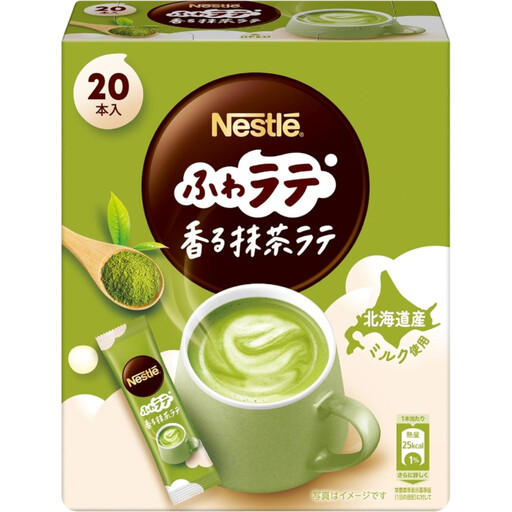
For a portioned, milk-based latte, define the liquid quantity for each stick. The product information identifies milk and aspartame; check the current pack when preparing ingredient and allergen information.
 No image available
For a small measured matcha service, allow for the sifting and whisking steps in the preparation instructions. Check whether the gift-set pack size fits the number of drinks you expect to make.
 No image available
For an individually portioned matcha drink, test a fixed liquid quantity and mixing method before adding it to the menu. Plan replenishment around the seven-sachet pack; this is not the flavoured eight-stick variety pack discussed above.
 No image available
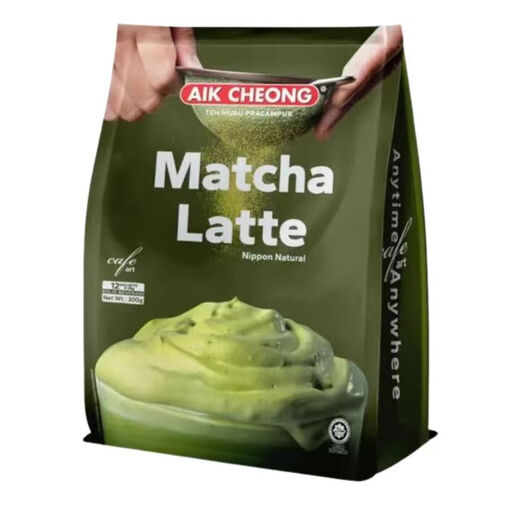
For a portioned, sweetened latte offer, check the current pack's sugar information before writing menu details. Its ingredient information identifies milk and a possible soy trace, which need checking for the finished drink.
Try an unsweetened loose powder in a weighed recipe if the menu needs a flexible base for lattes and other mixed drinks. Clearspring positions its premium powder for drinking and baking and lists 40g, 100g and 1kg sizes; test the intended drink before committing to a recurring pack format.
Consider it for a smaller plain-matcha service where staff can prepare each cup to the selected product's instructions. JING Tea specifies 1.5g per 160ml at 70°C, so check whether that method fits the counter workflow rather than assuming it suits every lunch drink.
Use them for a flavoured drink, not as an unlabelled substitute for plain powder. The Waitrose-listed PerfectTed variety pack includes an original stick, while its vanilla stick lists coconut sugar and flavourings; check each selected flavour's current ingredients.
Give each menu item a written powder or stick amount, liquid volume, temperature and mixing method. Follow the selected product's instructions when testing that recipe: JING Tea's 1.5g-per-160ml ceremonial preparation, for example, should not be assumed to apply to a latte sachet.
No. Check the complete drink, including its milk, syrup and toppings, and maintain allergen information for that recipe. GOV.UK and Food Standards Agency guidance says food businesses must provide allergen information for both prepacked and non-prepacked food and drink.