Who is each format for?
Decide whether guests will make their own hot drinks or whether someone will prepare lattes: the serving count may be the same, but the work at the drinks station is different.
Hosts setting up a self-serve tea station
Individually bagged tea gives each guest a portion to steep. Clearspring lists 20 bags per pack for its Matcha Sencha and Matcha Genmaicha blends, so 12 packs provide 240 bags. These make infused green tea, not a bowl of whisked matcha.
Hosts preparing matcha lattes
Loose powder suits drinks made one at a time when someone can measure and mix each portion. The quantity depends on the exact product: Clearspring instructs users to measure 1 g of its Premium Grade powder, while JING specifies 2 g for its Latte Matcha.
Caterers and other food businesses
For drinks served as part of a food business, the ordering plan also needs to account for food-service duties. GOV.UK’s allergen guidance applies to food businesses in England, Northern Ireland and Wales; the Food Standards Agency provides registration guidance for those starting or taking over a food business.
What should you check before ordering?
Start with the drink you intend to serve, then calculate the quantity from that product’s pack count or preparation measure. A tea bag, a portioned latte mix and loose powder are not interchangeable servings.
| Priority | What to check | Your needs |
|---|
| Serving count |
Read the number of bags or sachets per box. For Clearspring’s 20-bag Matcha Sencha and Matcha Genmaicha packs, 12 packs provide 240 bags; count any spare drinks separately. |
I want enough individual portions for the planned drinks without mistaking one retail box for a 240-bag carton. |
| Drink format |
Check whether the ingredients describe a green-tea blend, pure matcha powder or a prepared latte mix. Clearspring lists 2.5% matcha in each of its Sencha and Genmaicha bags, compared with 100% matcha in its Premium Grade powder. |
Will guests expect an infused tea they can steep, or a whisked matcha drink or latte? |
| Preparation |
Follow the exact product’s directions and measure powder per drink. Clearspring gives 1–2 minutes for its tea-bag infusions; its Premium Grade powder specifies 1 g per drink, while JING Latte Matcha specifies 2 g. |
I can leave bags beside hot water for self-service, but made-to-order powder drinks need someone to measure and mix them. |
| Ingredients |
Read the full ingredient and allergen information for the chosen variant, particularly for flavoured or instant latte mixes. Confirm what guests will add, such as milk, rather than treating every matcha-labelled product as plain tea. |
Before offering a drink to friends, I want to know what is in the mix and what will be added during preparation. |
| Business service |
For a food business in England, Northern Ireland or Wales, follow GOV.UK’s guidance on providing allergen information for prepacked and non-prepacked food and drink. The Food Standards Agency says a business being started or taken over must be registered with its local authority at least 28 days before trading. |
If the drinks are part of a catered or commercial service rather than a private gathering, I need to plan for the applicable food-business duties. |
Which brands illustrate the options?
These product lines show different ways to supply matcha-labelled drinks; a brand name alone does not tell you whether a pack contains tea bags, pure powder or a latte mix.
Clearspring
Clearspring lists both 20-bag Matcha Sencha and Matcha Genmaicha blends and Premium Grade matcha powder in 40 g, 100 g and 1 kg sizes.
- The bag count makes a 240-bag order calculable from 12 packs; the powder is listed as 100% matcha.
- The Sencha and Genmaicha bags each contain 2.5% matcha, so they serve a different kind of drink from the pure powder.
Pukka
Tesco lists Pukka Organic Supreme Matcha Green as a 20-bag, 30 g product combining green teas with matcha.
- Its stated 20-bag count allows a 12-pack calculation for 240 bagged portions.
- It is a green-tea blend; check its ingredients if guests expect a pure-matcha drink.
JING
JING’s 100 g Latte Matcha is positioned by the brand for milk-based drinks, while its separate 30 g ceremonial matcha has different preparation instructions.
- JING specifies a 2 g measure for Latte Matcha, allowing quantities to be calculated for prepared lattes.
- The loose-powder format requires measuring and mixing each drink; do not apply one JING product’s measure to another.
Teapigs
Teapigs describes a trade supply service for hospitality venues and states that it has no minimum order quantity.
- The trade route may be relevant when drinks are being supplied as part of a business service.
- Confirm the particular matcha product’s format, ingredients and pack count before calculating portions.
Joybuy options for 240 drinks
These options cover portioned matcha-latte mixes and a bagged matcha-green-tea blend. Their different box counts change how many boxes make 240 individual portions; check the intended drink and ingredients as well as the count.
 No image available
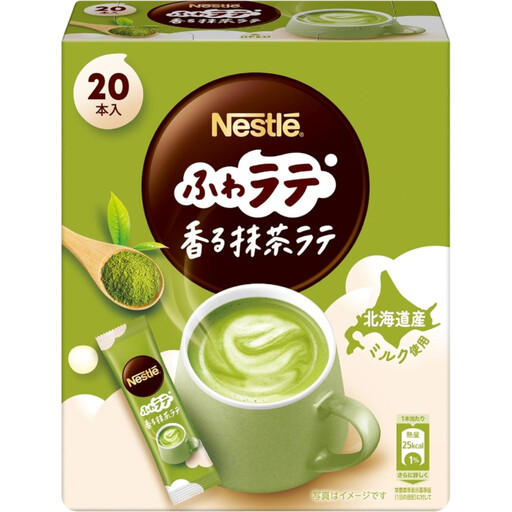
Nestle Fuwa Matcha Latte 96g, 20 pieces
For portioned latte-style drinks, the 20-piece pack gives a count of 12 boxes for 240 portions. This mix contains milk and aspartame, a source of phenylalanine; check the ingredients against guests’ needs.
View on Joybuy
 No image available
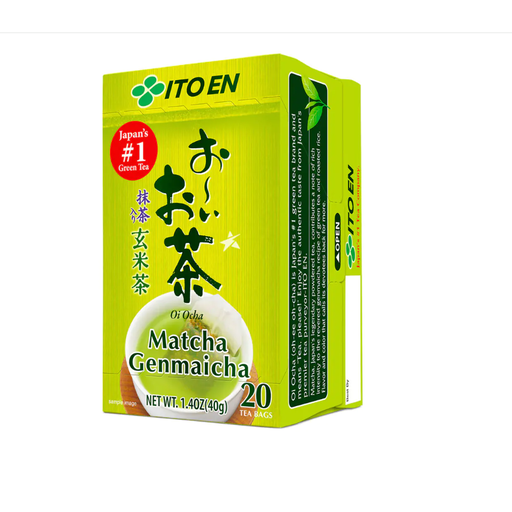
Itoen Oi Ocha Japanese Matcha Genmaicha, 20 bags, 40g
For a self-serve tea station, 12 boxes of 20 bags provide 240 bagged portions. This is a roasted-rice and green-tea blend containing matcha, not pure matcha powder; follow the pack’s brewing directions.
View on Joybuy
 No image available
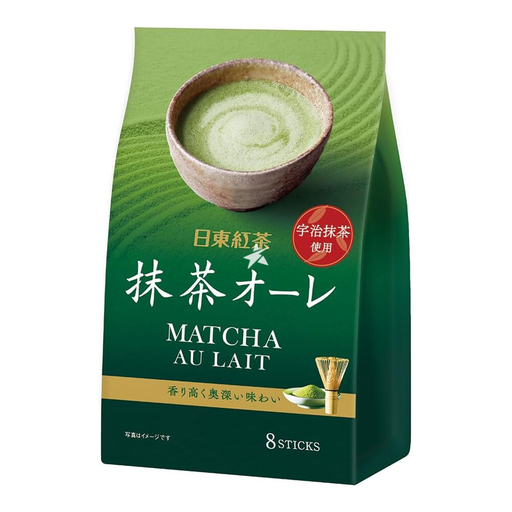
Nittoh Black Tea Instant Matcha Au Lait, 8 sticks, 96g
For individually portioned au lait drinks, 30 eight-stick boxes provide 240 sticks. The product contains milk, so check its allergen information when planning drinks for guests.
View on Joybuy
 No image available
OMGTea Vanilla Matcha Latte, 6 × 12g sachets
For portioned vanilla latte-style drinks, 40 boxes of six sachets provide 240 sachets. The product identifies oats among its ingredients; check the full allergen information before serving.
View on Joybuy
 No image available
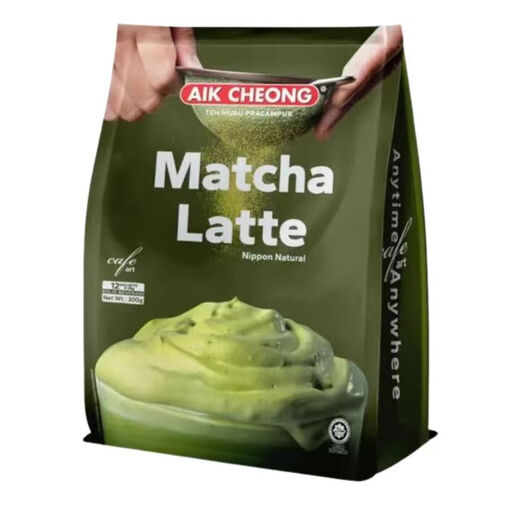
Aik Cheong Instant Matcha Latte, 12 × 25g sachets
For individually portioned instant lattes, 20 boxes of 12 sachets provide 240 sachets. The mix contains milk and may contain traces of soy; check its preparation directions and allergen information before serving.
View on Joybuy
Questions about serving matcha
Do I need a single 240-bag carton?
No single carton is needed to calculate a 240-bag order: Clearspring lists its Matcha Sencha and Matcha Genmaicha products in 20-bag packs, and 12 such packs provide 240 bags. Check the count of whichever product you choose and confirm the total number of bags in your order.
Should I choose tea bags or powder for friends?
Choose bags when guests will steep their own infused green tea; choose loose powder when you want whisked matcha or made-to-order lattes and can measure and mix each drink. Clearspring gives a 1–2 minute infusion for its matcha tea bags, whereas its Premium Grade powder and JING Latte Matcha specify different per-drink measures of 1 g and 2 g respectively.
Are matcha tea bags the same as pure matcha?
Not in the Clearspring examples: Matcha Sencha contains 97.5% sencha and 2.5% matcha, while Matcha Genmaicha contains sencha, roasted brown rice and 2.5% matcha. Clearspring lists its separate Premium Grade powder as 100% matcha. Read the ingredients on the exact product rather than relying on “matcha” in its name.
What changes if the drinks are served by a food business?
For food businesses in England, Northern Ireland and Wales, GOV.UK’s guidance requires allergen information for prepacked and non-prepacked food and drink, effective allergen management and staff training. If you are starting or taking over a food business, the Food Standards Agency says to register with your local authority at least 28 days before trading. These food-business requirements should not be treated as registration rules for a private get-together.


