The mug-of-tea drinker
A matcha-blend tea bag suits someone who wants to add hot water and infuse a bag. Check the ingredients: these products can be green-tea blends containing matcha, rather than pure matcha powder.


Choose a matcha-blend tea bag if the recipient wants to make a mug of tea without whisking; choose matcha powder if drinking the ground leaf and preparing the drink are part of the appeal. If the pyramid shape matters most, a pyramid green-tea bag is another option, but it is not necessarily matcha. Check the exact product or pack before describing any matcha tea bag as pyramid-shaped.
The recipient's usual drink and preparation routine matter more than the word “matcha” on its own.
A matcha-blend tea bag suits someone who wants to add hot water and infuse a bag. Check the ingredients: these products can be green-tea blends containing matcha, rather than pure matcha powder.
Powder suits someone who wants a drink made with ground matcha leaf or enjoys making lattes and iced drinks. Check how the particular powder is mixed and whether it contains other ingredients.
If the bag's shape and whole-leaf format are the priority, consider an explicitly labelled pyramid green tea. JING and teapigs describe pyramid-bag ranges, but that does not make every tea in those ranges a matcha product.
Start with the drink the recipient expects, then check the exact bag or powder, its ingredients and its preparation instructions.
Choose when: the recipient wants an infused green tea made in a mug.
Trade-off: a blend is not the same drink as whisked matcha powder, and “tea bag” does not establish a pyramid shape.
Choose when: the recipient enjoys preparing matcha itself or making matcha drinks.
Trade-off: powder needs mixing, and flavoured versions may contain additional ingredients.
Choose when: a confirmed pyramid bag matters more to the recipient than matcha.
Trade-off: green tea without matcha is a different gift, even when its bag has the requested shape.
| Priority | What to check | Your needs |
|---|---|---|
| Drink format | Read the ingredients for the matcha proportion and follow the preparation method. A tea-bag infusion and a drink made with ground matcha powder are different formats. | I'm choosing between a straightforward mug of tea and a drink the recipient will mix or whisk. |
| Pyramid shape | Look for explicit pyramid wording on the exact product or pack. Do not infer the shape from “tea bag”, “sachet” or a packaging claim. | If the pyramid bag is the point of the gift, I want that shape confirmed for the tea I'm buying. |
| Bag disposal | Check the exact disposal instructions. Plant-based biodegradable material, home compostability and industrial compostability describe different claims. | Will the recipient have a way to dispose of this particular bag as its instructions specify? |
| Caffeine and ingredients | Check the current pack for caffeine information, ingredients and allergens, particularly for flavoured powder. NHS guidance sets a 200mg daily caffeine limit during pregnancy and recommends the same limit while breastfeeding; total intake includes other sources. | I want to check the gift against the recipient's ingredient requirements and, where relevant, their caffeine intake from all sources. |
A matcha tea bag can contain mostly other green tea. Clearspring, for example, states that its Matcha Sencha contains 97.5% sencha and 2.5% matcha.
Read the ingredients and preparation instructions. Choose a tea bag for an infusion or clearly identified matcha powder if the recipient expects to drink ground matcha leaf.
JING and teapigs explicitly describe pyramid-bag ranges. That wording does not establish the shape of a different brand's matcha-blend bag.
Check the exact product page or physical pack for a pyramid-bag description before making it part of the gift choice.
A bag described as biodegradable does not thereby carry the same disposal instructions as one described as home or industrially compostable.
Use the instructions for the exact tea bag and check whether the recipient can use the stated disposal route.
JING notes that a drink made with the whole ground leaf can contain more caffeine cup for cup than many infused teas. Flavoured matcha products can also contain sugar and flavourings.
Check the current pack, especially if caffeine intake or particular ingredients affect the recipient's choice. Account for caffeine from other drinks and foods rather than assuming a serving amount.
These examples show why a brand's matcha products and its pyramid-bag products should be checked separately.
Its Organic Japanese Matcha Sencha is an infused green-tea blend in tea sachets.
JING describes pyramid-shaped whole-leaf tea bags and has a separate matcha-powder range.
teapigs describes its Tea Temples as whole-leaf pyramid tea bags.
Pukka Supreme Matcha Green is described by Tesco as a blend of three green teas with matcha.
Tesco lists Twinings Superblends Super Green Matcha as a green-tea-and-matcha blend.
PerfectTed offers portioned matcha-powder drinks rather than the pyramid tea-bag format discussed here.
These options cover a matcha-blend tea bag, a pyramid green tea without matcha, and several matcha-powder drinks. Choose by the recipient's preferred drink rather than treating them as interchangeable pyramid bags.
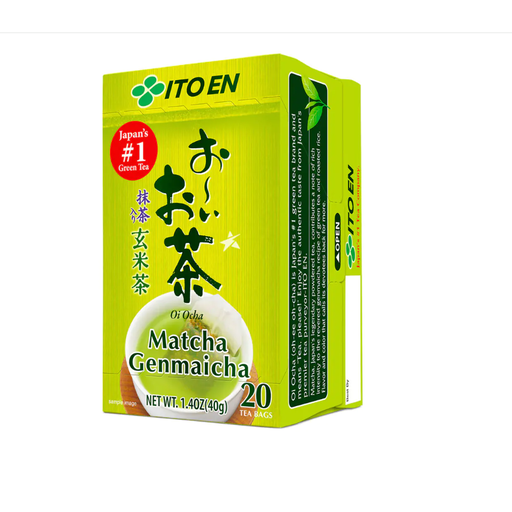 No image available
A tea-bag option for someone who prefers an infusion to mixed powder. The listed blend contains roasted rice, green tea and 3% matcha; check the exact pack if pyramid shape, brewing instructions or caffeine per serving matter.
 No image available
For someone who wants portioned matcha powder rather than an infused tea bag. The listed ingredients identify 100% matcha; check the pack for preparation and caffeine information if either affects the choice.
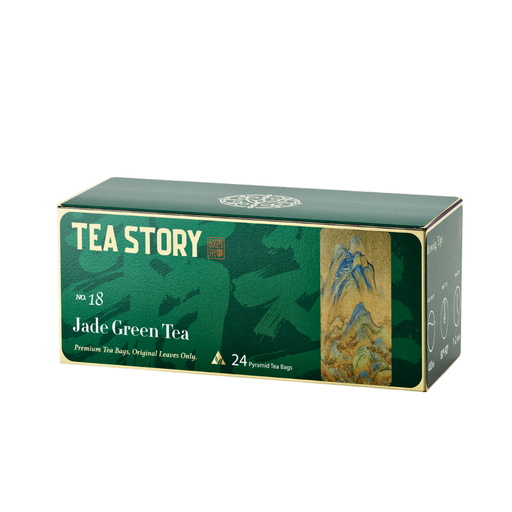 No image available
A pyramid-bag option if the recipient is happy with green tea instead of matcha. The listing identifies green tea and gives an infusion time of 3–5 minutes; check the pack if caffeine information matters.
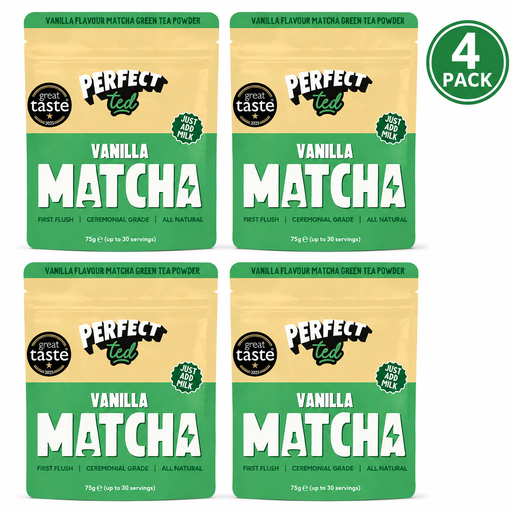 No image available
A flavoured powder option for someone who wants a matcha drink rather than a tea-bag infusion. The listed ingredients include matcha, coconut sugar, coconut milk and natural flavour; check the delivered pack for ingredients, allergens and preparation instructions.
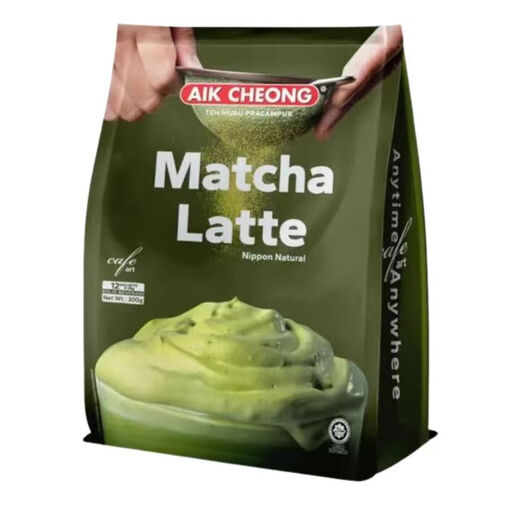 No image available
A portioned latte mix rather than a pyramid tea bag. The listing describes mixing it with hot water or milk and identifies milk and possible soy traces; check the current pack if those ingredients, the matcha proportion or caffeine information affect the choice.
No. A matcha-blend bag makes an infusion, while matcha powder is mixed into the drink and consumed. Clearspring states that its Matcha Sencha contains 97.5% sencha and 2.5% matcha; check the ingredients of the particular gift rather than assuming every blend has that proportion.
Only when the exact product or pack confirms the shape. JING and teapigs describe pyramid tea-bag ranges, but a separate matcha product does not inherit that description.
A matcha-blend tea bag suits someone who mainly wants to make a familiar mug of tea. Choose powder sachets instead if they would enjoy mixing a matcha drink; check whether the chosen sachets are plain matcha or a flavoured mix.
Check caffeine information for the exact product and consider total intake from all sources. NHS guidance says caffeine should not exceed 200mg a day during pregnancy and recommends no more than 200mg a day while breastfeeding; a tea's serving count alone cannot establish its caffeine contribution.
Check the delivered pack's ingredients, allergen information and preparation instructions. Flavoured powders can contain ingredients beyond matcha, and a latte mix may differ substantially from plain matcha powder.