What should you compare?
Settle the texture and flavour question first, then compare nutrition using the amount you would actually serve.
Protein-positioned soft cheese
Choose it when: You want a spreadable cheese and a declared protein amount; Philadelphia describes its Protein product as 11% protein.
Trade-off: Philadelphia Protein is not presented as mature cheddar, so it may not meet a mature-flavour preference.
Firm mature cheddar
Choose it when: Mature-cheddar flavour matters more than having a soft spread; Sainsbury’s lists Cathedral City High Protein Half Fat Mature Cheddar at 30g protein per 100g.
Trade-off: Cheddar is not cream cheese, and the protein in a serving depends on how much you cut.
Mature cheese spread
Choose it when: You want mature-cheddar flavour in a creamy, squeezeable format, as offered by Primula Mature Cheese.
Trade-off: Check the current pack’s protein per 100g and per serving before deciding how it fits your snack.
| Priority | What to check | Your needs |
|---|
| Protein per portion |
Compare protein per 100g, then work out the amount in the portion you intend to eat. Check whether another food is part of the snack. |
I want to know what the cheese contributes to my snack, rather than judging it by a flavour name or a front-of-pack description. |
| Flavour and texture |
Check whether the product is soft cheese, a mature-cheddar cheese spread or firm cheddar. Confirm that its format works for how you plan to serve it. |
Is mature-cheddar flavour the priority, or do I need something spreadable on toast, crackers or a wrap? |
| Fat and saturates |
Compare the same nutrients per 100g and in your planned portion. Philadelphia describes its Protein product as 3% fat; Boursin UK lists 39g fat and 26g saturates per 100g for Garlic & Herbs. |
I want the full nutrition panel alongside the protein figure when choosing between soft cheeses. |
| Allergens and storage |
Read the current milk allergen declaration, refrigeration instructions, use-by date and any opened-pack directions. |
Before serving a chilled cheese, I need to check that its ingredients and storage instructions suit the occasion. |
Joybuy cheese snack option
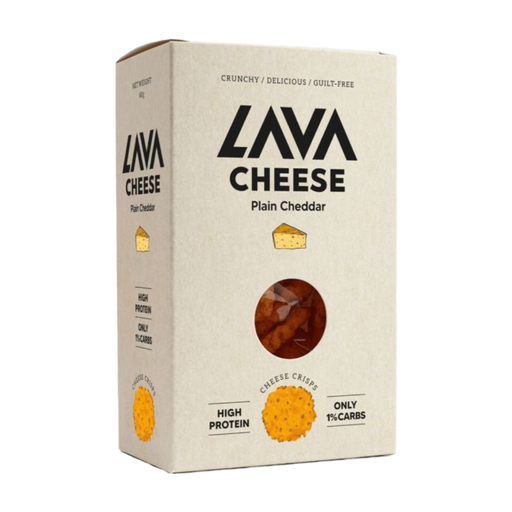
This cheddar snack is an option if you would accept a crunchy cheese instead of spreadable cream cheese after the gym.
 No image available
Lava Cheese Plain Cheddar, 60g
Consider this for a savoury snack if you prefer crunchy cheddar to a soft spread. It is not cream cheese; check the current pack’s protein, fat and saturates for the portion you plan to eat.
View on Joybuy
Questions about choosing and storing cheese
Does “mature” mean more protein in a post-gym cheese snack?
No. “Mature” describes the cheese style or flavour; check protein on the exact product. Sainsbury’s lists 30g protein per 100g for Cathedral City High Protein Half Fat Mature Cheddar, while Philadelphia describes its separate Protein soft cheese as 11% protein.
Can cream cheese make up the whole snack after exercise?
That depends on the product, portion and other foods in the snack. Check protein per serving on the pack; the International Society of Sports Nutrition discusses protein in terms of overall daily intake for exercising people, rather than treating any particular cheese portion as a complete snack.
What comes closest to mature cream cheese?
Primula Mature Cheese offers mature-cheddar flavour in a creamy cheese-spread format. It is not the same product type as Philadelphia Original soft cheese, so check its current nutrition panel if protein per portion affects your choice.
What if someone eating the snack has a milk allergy?
Check the allergen declaration on every pack before choosing a product. The Food Standards Agency identifies milk as a common ingredient in cheese; a spreadable format does not make a cheese milk-free.
How should opened cream cheese or cheese spread be stored?
Follow the pack’s refrigeration, opened-pack and use-by instructions. The Food Standards Agency warns that storage at the wrong temperature or for too long can cause food poisoning; do not eat the product after its use-by date.


