
24/7 Customer Support

Free returns

Same-day & Next-day Delivery

Quality Guaranteed

Unlock Your Welcome Offers: FREE Delivery | Up to 80% OFF | Free 30-day JoyPlus trial
Download the APP
Buying mayonnaise online can seem straightforward until you compare the ingredients, serving sizes and storage instructions. A large bottle may offer better value for family meals, while a lighter recipe or egg-free option could suit a completely different household.
This guide helps UK shoppers compare mayonnaise objectively, avoid common buying traps and choose a product for sandwiches, salads, chips, burgers, sushi or dipping.
Light mayonnaise usually contains less fat than a standard recipe, but it may include more water, starches, fibres or sugar to maintain texture and flavour. Always check the nutrition table per 100g or 100ml, rather than relying only on front-of-pack wording.
For example, Heinz Seriously Good Light Mayonnaise lists 26g of fat and 267 kcal per 100g, while Hellmann's Real Mayonnaise lists 79g of fat and 719 kcal per 100g. These figures provide a more useful comparison than the word “light” alone.
Japanese mayonnaise can have a richer egg-yolk character, a more pronounced savoury taste and a different vinegar profile from classic UK mayonnaise. However, recipes vary considerably. Some contain egg yolk, soya, mustard, wheat, barley or flavour enhancers, while an egg-free mayonnaise uses vegetable protein and thickeners instead.
Check the full ingredients and allergen statement before buying, particularly if the sauce will be served to children or guests.
A 775g bottle can be economical for frequent use, but it may not suit a small household that uses mayonnaise occasionally. Once opened, many products require refrigeration and should be consumed within a stated period. A smaller 265g or 305g pack may reduce waste if you only use mayonnaise occasionally.
Classic mayonnaise commonly contains eggs, while speciality varieties may also contain mustard, soya, sesame, wheat or barley. UK food packaging uses emphasis for specified allergens, but always read the current product label because recipes can change.
Compare products using the same unit. A tablespoon is convenient for portion planning, but per-100g information allows a fair comparison between standard, light and flavoured recipes.
For reference, the products in this guide range from 23.1g of fat per 100ml in Morrisons Light Mayonnaise to 79g per 100g in Hellmann's Real Mayonnaise. Thai Dragon Sriracha Mayo Sauce lists 3.8g of salt per 100g, so spicy sauces should be treated as flavouring rather than used in large quantities.
Choose the pack according to how often you cook:
Check whether the product is sold by weight or volume, as mayonnaise and sauce listings may use grams, millilitres or both. Follow the storage instructions on the delivered packaging, including refrigeration after opening and any recommended use-by period.
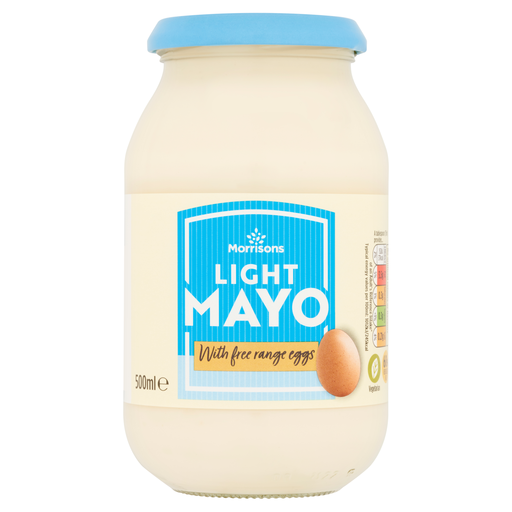
Why This Fits Their Persona: A practical everyday option for shoppers who want a larger household pack with a lower-fat recipe for sandwiches, salads and dips.
Its label gives clear per-100ml and per-tablespoon nutrition information, making the lighter recipe easier to compare.
500ml pack; 23.1g fat per 100ml; suitable for vegetarians according to the supplied product information.

Why This Fits Their Persona: A classic choice for cooks who prioritise a rich, creamy texture and a familiar flavour across everyday meals.
The supplied specification identifies the egg content, rapeseed oil and 400g quantity, so shoppers can check the recipe rather than rely on front-label language.
Uses free-range eggs according to the supplied product information; suitable for sandwiches, jacket potatoes and burgers.

Why This Fits Their Persona: Designed for shoppers seeking Japanese-style mayonnaise for sushi, takoyaki, tempura, salads and chips.
The ingredient list states egg yolk, vinegar and mustard, allowing shoppers to identify its allergen profile before ordering.
Egg-yolk recipe; squeezable 450ml bottle; recommended storage is refrigeration after opening.
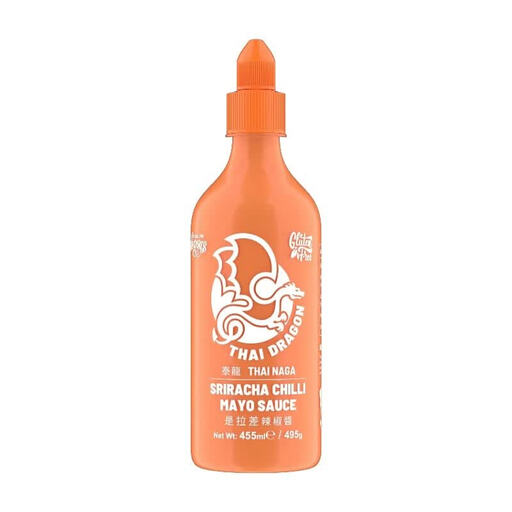
Why This Fits Their Persona: A useful option for shoppers who want a ready-to-use spicy mayo sauce for wraps, salads, fish tacos and dipping.
It is described as vegan-friendly and gluten-free in the supplied details, while the label identifies mustard as an allergen.
Contains 9% pickled red chilli; 455ml bottle; suitable for direct serving without preparation.
We have compiled a complete, real-time list of products that fully satisfy these strict selection criteria and UK safety regulations.
A classic creamy mayonnaise works well in tuna mayo sandwiches, coleslaw, potato salad and burgers. Light mayonnaise can be mixed into salads or used as a spread where you prefer a less oily texture. Japanese mayonnaise is useful for sushi bowls, okonomiyaki-style dishes and savoury rice meals.
For entertaining, try peri-peri mayonnaise or spicy mayo sauce with chips, chicken pieces and wraps. Sesame mayonnaise sauce can work as a dip for fried foods or as a dressing for crunchy salads. Use a clean spoon, close the lid promptly and follow the product’s refrigeration guidance after opening.
Storage instructions vary before and after opening. Many shelf-stable products can be stored in a cool, dry cupboard before opening, then require refrigeration. Always follow the instructions printed on the jar or bottle.
There is no single period for every product. Some listings specify three or four weeks, while others provide a longer recommended period. Check the packaging, keep the container sealed and discard it if the appearance, smell or texture has changed.
Look specifically for an egg-free mayonnaise and confirm the allergen statement. Kewpie Mayonnaise (Egg-Free) 305g lists powdered vegetable protein rather than egg, but it contains soya according to the supplied ingredients. Always check the label for the latest formulation before serving.