
24/7 Customer Support

Free returns

Same-day & Next-day Delivery

Quality Guaranteed

Unlock Your Welcome Offers: FREE Delivery | Up to 80% OFF | Free 30-day JoyPlus trial
Download the APP
Choosing mayonnaise and sauces online can seem straightforward until you compare ingredients, serving sizes, dietary labels and storage instructions. A large jar may offer better value for a family, while a speciality sauce may be more suitable for sushi, burgers or dipping. The right choice depends on how you plan to use it.
This guide highlights common buying pitfalls, the key details to check and a selection of products for different UK households and cooking habits.
Light mayonnaise usually contains less fat than a standard recipe, but it is not necessarily low in calories or sugar. For example, Morrisons Light Mayonnaise lists 245 kcal and 23.1g of fat per 100ml, while Heinz Seriously Good Light Mayonnaise lists 267 kcal and 26g of fat per 100g.
Check the nutrition panel rather than relying only on front-of-pack wording. Also consider portion size: a tablespoon is commonly around 15g or 15ml, but generous serving habits can quickly increase the total.
Egg-free mayonnaise may still contain soya, mustard or other allergens. Kewpie Mayonnaise (Egg-Free) 305g, for instance, lists soya in its allergy advice. Vegan products also require careful checking because “plant-based” recipes can include mustard, soya or traces of other ingredients.
Always read the current UK label, particularly when buying for someone with an allergy or intolerance. Product formulations and packaging can change.
A large bottle may appear economical, but speciality sauces are often used more slowly than everyday mayonnaise. Once opened, many products need refrigeration and have a recommended consumption period.
Kewpie Japanese-style mayonnaise products commonly advise refrigeration after opening and use within around a month, while some chilli mayo products advise use within eight weeks. Hollandaise sauce can have a much shorter post-opening period. Check the label before purchasing multiple bottles.
For a traditional mayonnaise, look for the main oil, egg content, vinegar type and declared allergens. Japanese mayonnaise often uses egg yolk and rice or brewed vinegar, creating a richer texture and a more pronounced savoury taste. KENKO Mayonnaise, for example, uses vegetable oil, egg yolk and brewed vinegar, while Kewpie Mayonnaise 450g lists 70% vegetable oil and 14% pasteurised egg yolk.
For egg-free mayonnaise, check whether the recipe is also vegan. Flying Goose Sriracha Mayo is described as suitable for vegans and certified gluten-free, but it contains soya and mustard. Veeba Vegenaise is egg-free and dairy-free, yet also lists soya and mustard.
Choose the flavour around the meals you prepare most often:
Compare net quantity, nutrition per 100g and serving guidance together. A 165g hollandaise jar may suit occasional brunches, whereas a 500g or 775g mayonnaise is more practical for regular family use.
Refrigerate products after opening when instructed, keep caps tightly closed and use clean utensils where applicable. For chilled storage, follow the temperature printed on the packaging rather than relying on general assumptions.
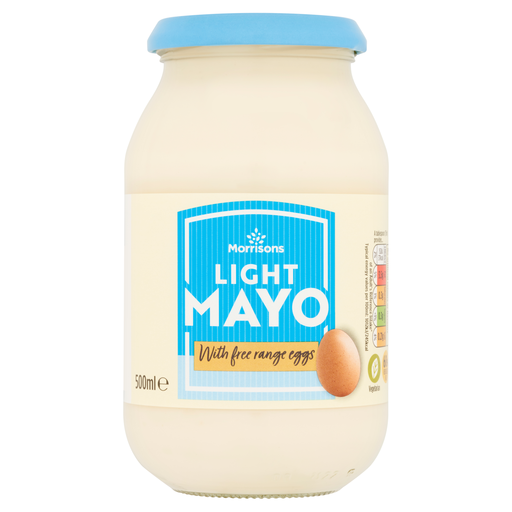
Why This Fits Their Persona: A practical fridge staple for sandwiches, salads, burgers and dipping, with a 500ml quantity suited to regular household use.
Its reduced-fat positioning is supported by stated nutrition information, so shoppers can compare the figures rather than rely on the word “light” alone.
500ml jar; 245 kcal and 23.1g fat per 100ml; suitable for vegetarians.

Why This Fits Their Persona: Designed for shoppers seeking a distinctive Japanese-style flavour for sushi, takoyaki, salads and sandwiches.
The ingredient list identifies vegetable oil, pasteurised egg yolk, vinegar and mustard, helping buyers assess flavour and allergens clearly.
450ml squeeze bottle; egg-yolk recipe; suitable for spreading, dipping and mixing.
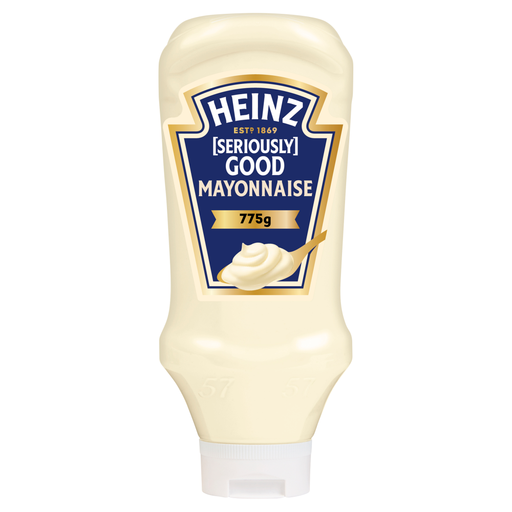
Why This Fits Their Persona: A large-format option for family lunches, barbecues, potato salads and frequent sandwich preparation.
The 775g quantity makes the size transparent, while the label states the egg and mustard allergens and gives storage guidance.
775g pack; ready to use; made in the UK according to the supplied product information.
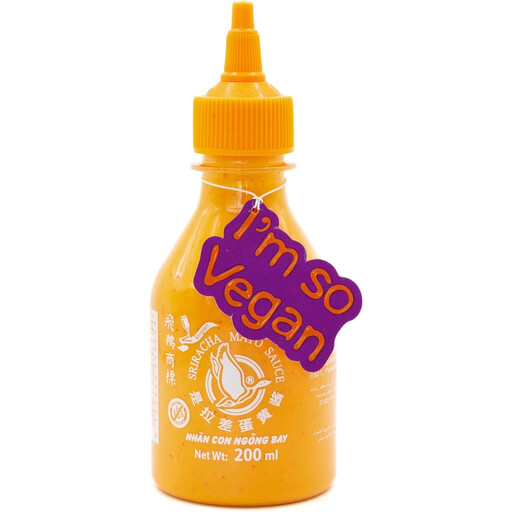
Why This Fits Their Persona: A convenient chilli mayo for vegan households, sushi, wraps, chips, burgers and quick dipping sauces.
The product information states that it is suitable for vegans and certified gluten-free, while also clearly declaring soya and mustard.
Contains 20% chilli; mild-to-medium heat description; 200ml bottle for controlled trialling.
For Korean-inspired meals, O’Food Gochujang Mayo combines mayonnaise with 30% gochujang paste, while O’Food Kimchi Mayo includes kimchi concentrate and is labelled vegetarian. KENKO Sesame Mayo Sauce adds sesame, honey and mustard notes for salads and dipping.
For a classic brunch, Morrisons The Best Hollandaise Sauce contains butter and pasteurised egg yolk. It should be refrigerated after opening and consumed within three days according to the supplied information. For a larger Japanese-style bottle, KENKO Mayonnaise 500g offers a squeeze format with egg yolk, rice-based vinegar and mustard.
We have compiled a complete, real-time list of products that fully satisfy these strict selection criteria and UK safety regulations.
Japanese mayonnaise commonly uses egg yolk rather than whole egg and may use rice or brewed vinegar. This can create a richer texture and a more savoury, tangy profile. Check the ingredient list because recipes vary between products.
Storage periods differ by product. Many bottles require refrigeration after opening, with guidance ranging from a few weeks to around one month or more. Follow the label’s instructions, keep the container sealed and check its best-before information.
Not automatically. Vegan mayo does not contain animal-derived ingredients, but it may contain soya, mustard or other allergens. Read the full ingredient and allergy declaration every time, especially when buying for children or guests.