
24/7 Customer Support

Free returns

Same-day & Next-day Delivery

Quality Guaranteed

Unlock Your Welcome Offers: FREE Delivery | Up to 80% OFF | Free 30-day JoyPlus trial
Download the APP
For any dedicated home baker in the UK, the quality of your flour is the foundation of your craft. A failed bake—a cake that doesn’t rise, a scone that’s dense instead of fluffy—is not just disappointing; it's a waste of time and other valuable ingredients. When it comes to a staple like self-raising flour, consistency is key. Yet, many bakers encounter common pitfalls that can easily be avoided with a little know-how.
As the Joybuy Product Recommendation Officer, my role is to help you navigate these choices. Let's look at the frequent traps bakers fall into and how to select the right flour for your needs, focusing on a trusted name like McDougalls.
To ensure your bakes are successful every time, it pays to understand what defines a quality flour. Here are the non-negotiable factors to consider.
The texture of your flour has a direct impact on the lightness of your bakes. A quality British self raising flour is typically milled from carefully selected soft wheat. Brands like McDougalls offer pre-sifted flour for cakes, which means it has undergone an extra step to create a finer, more uniform consistency. This not only saves you the job of sifting at home but also helps to incorporate more air into your batter, resulting in a lighter, more delicate crumb structure.
Self-raising flour is simply plain flour with raising agents already mixed in. The most common are calcium phosphate and sodium bicarbonate. The secret to a consistent, reliable rise lies in the precise balance and distribution of these agents. Established brands have perfected this ratio over many years, which is why they deliver such dependable results from one bag to the next.
For anyone who bakes regularly, from home enthusiasts to small café owners, buying bulk self raising flour is a smart move. A baking flour multipack not only ensures you have a steady supply but also significantly lowers the cost per bake. Instead of making frequent trips to the shop, you can stock your pantry and be ready whenever inspiration strikes, all while managing your budget more effectively.
To help you choose, we've matched some reliable flour options to different types of bakers.
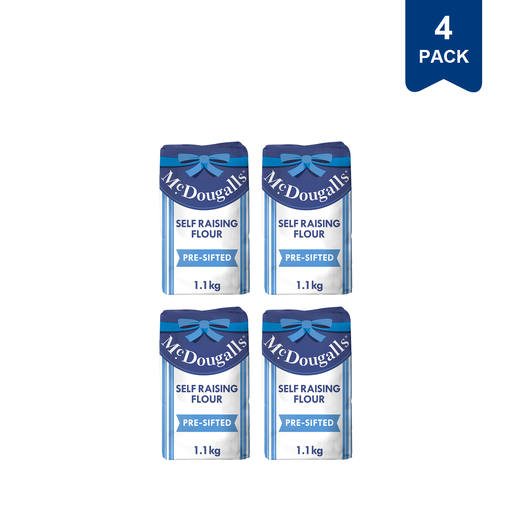
Why This Fits Their Persona: This user bakes regularly for their family and needs a reliable, all-purpose flour that delivers consistent results for everything from scones to cupcakes. This multipack ensures their pantry is always stocked.
It directly counters the "Sinking Sponge Dilemma" with its trusted, consistent formula and solves the "False Economy of Single Bags" by offering a cost-effective bulk option.
Pre-sifted for lighter results, saving time. The McDougalls flour 1.1kg pack size is convenient, and the multipack format offers excellent value.
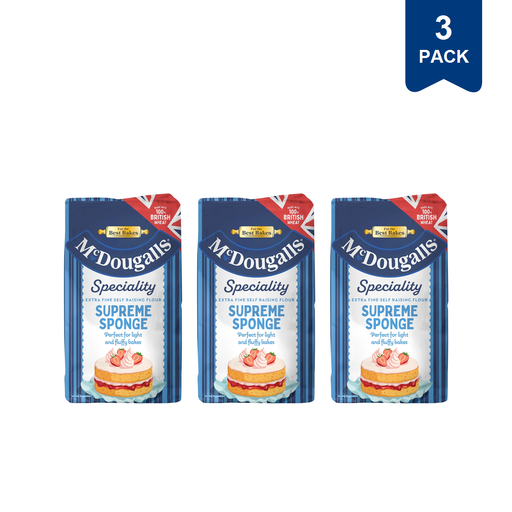
Why This Fits Their Persona: This baker is passionate about creating exceptionally light and delicate sponge cakes. They understand that a specialised flour can elevate their results from good to great.
This product directly addresses the "One-Size-Fits-All" myth by providing a purpose-milled flour for a specific baking task, ensuring optimal texture for sponges.
Its exceptionally fine texture provides superior water absorption, which the brand states results in a softer, lighter sponge with an even structure.
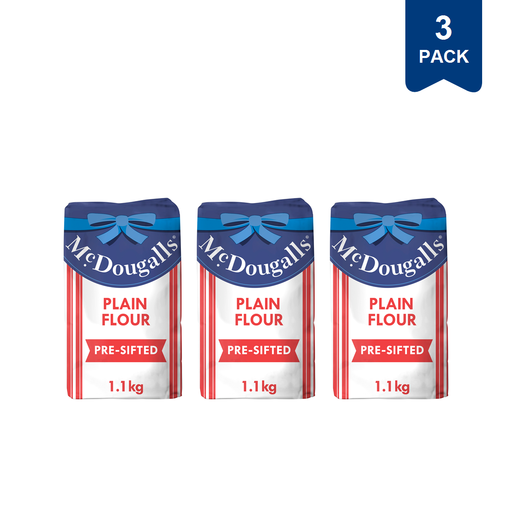
Why This Fits Their Persona: This baker enjoys making a wide variety of goods, from pastries and biscuits that require plain flour to cakes and sauces. They prefer to control the amount of raising agent themselves and value having both flour types on hand.
By stocking a quality plain flour, this baker avoids being limited by a pre-mixed blend, giving them full control over the rise for recipes like shortcrust pastry or thickening sauces.
Maximum versatility for all baking and cooking needs. The multipack format ensures this essential pantry staple is always available at a good value.
We have compiled a complete, real-time list of products that fully satisfy these strict selection criteria and UK safety regulations.
McDougalls Self Raising Flour is a versatile, all-purpose flour suitable for a wide range of bakes like scones, muffins and everyday cakes. McDougalls Supreme Sponge Flour is a more specialised product. It is milled to an even finer texture, which is designed to create the exceptionally light and delicate crumb structure desired in sponge cakes like a Victoria sponge.
To maintain freshness and prevent pests, flour should be stored in a cool, dry place. Once a bag is opened, it is advisable to transfer the flour to a large, airtight container. This protects it from moisture and odours, which can affect its performance. Storing it this way ensures your bulk self raising flour remains in good condition for longer.
The 'best before' date on flour is an indicator of quality, not safety. After this date, the raising agents in the flour may become less effective, meaning your bakes might not rise as well. The flour is generally safe to use if it has been stored correctly and shows no signs of spoilage (such as an off smell or evidence of pests), but for bakes that depend on a good rise, using it before the date is recommended for optimal results.