
24/7 Customer Support

Free returns

Same-day & Next-day Delivery

Quality Guaranteed

Unlock Your Welcome Offers: FREE Delivery | Up to 80% OFF | Free 30-day JoyPlus trial
Download the APP
Meal prepping is a brilliant way to manage your diet, save money and reclaim precious time during a busy week. But the success of your efforts often comes down to one simple tool: your food containers. Choosing the right ones can make the process seamless, while the wrong ones lead to leaky bags, stained surfaces and wasted food. As a Joybuy Product Recommendation Officer, my role is to help you navigate the options and identify the features that truly matter.
Before you buy another set of containers, let's look at the common pitfalls that many people encounter.
plastic food containers with lids, accompanied by a faint odour that never quite washes out.Avoiding these issues isn't about spending a fortune; it's about knowing what to look for.
To ensure your containers are a reliable investment, focus on these core parameters. They are the difference between a useful kitchen tool and a frustrating piece of plastic.
The material is the most critical factor. Most high-quality microwavable food tubs are made from food-grade polypropylene (PP). This type of plastic is known for its high melting point and durability, making it suitable for reheating. Always check that a product is explicitly labelled as BPA-free for peace of mind.
For freezer safe food storage, the material needs to remain flexible when frozen. Cheaper, lower-grade plastics become rigid and are prone to shattering. A good quality polypropylene container will withstand freezing and defrosting cycles without becoming fragile.
A container is only as good as its lid. A poor-fitting lid is the primary cause of leaks and means the container is not fit for purpose as a reusable takeaway container. Look for lids that snap on securely at multiple points or have a well-defined groove that creates a firm seal. This not only prevents spills but also helps to keep food fresher for longer by limiting air exposure.
An organised fridge makes meal prepping far more efficient. Rectangularstackable food containers are generally more space-efficient than round ones, allowing you to arrange them neatly without wasted gaps. Furthermore, opting for clear plastic food tubs allows you to identify contents at a glance, saving you from having to open every container to find Tuesday's lunch.
Based on these practical criteria, here are a few options from our catalogue, matched to different user needs.

Why This Fits Their Persona: For those who prep lunches and dinners for the entire week, a bulk pack is essential. The 650ml size is a versatile standard for a single meal portion, and having 25 on hand means you're always ready for a big batch cooking session.
These are made from food-grade plastic designed for repeated microwave and freezer use, directly addressing the durability issue. The secure-fitting lids are less prone to warping than flimsy alternatives.
Excellent value for money in a bulk quantity. The rectangular shape makes them highly efficient, stackable food containers for fridge and freezer organisation.
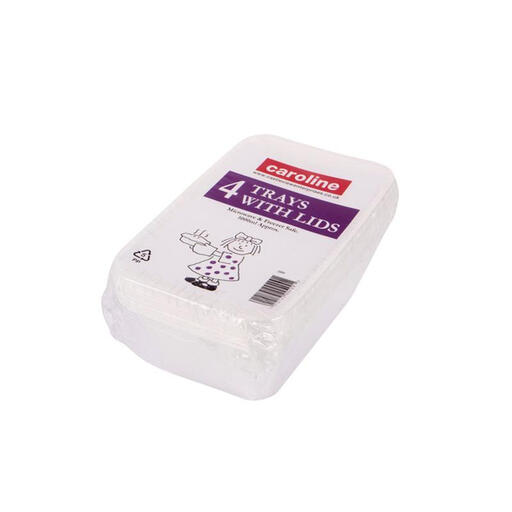
Why This Fits Their Persona: When you're cooking for a family, you need more space. The 1000ml (1 litre) capacity is ideal for storing larger portions of stews, pasta bakes or curries, making it easy to freeze a full family meal for another day.
The robust, BPA-free plastic construction is designed to handle the weight and temperature changes of larger food volumes without cracking in the freezer or losing its shape in the microwave.
Generous capacity for family-sized portions or bulk ingredients. The rectangular design ensures efficient stacking, saving valuable fridge and freezer space.
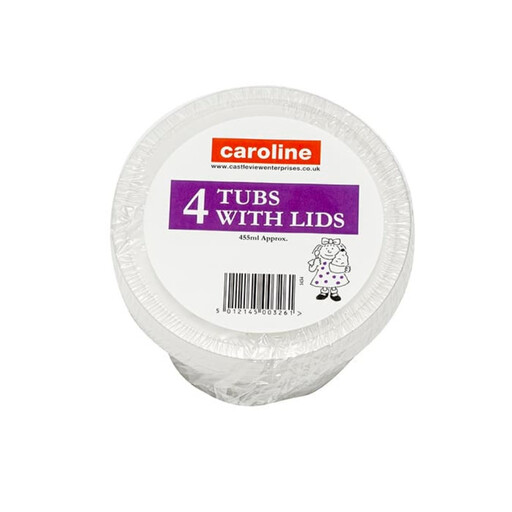
Why This Fits Their Persona: Perfect for those who use `portion control containers` for soups, salads, overnight oats or fruit salads. The 16oz (approx. 470ml) size is substantial enough for a light meal or a generous snack, without encouraging over-eating.
Unlike flimsy, single-use style pots, these are made from durable, reusable plastic with a secure lid, preventing the leaks and spills common with lesser-quality snack containers.
The deeper, round profile is great for soups and other liquids. It's a versatile size that bridges the gap between small sauce pots and full meal containers.
We have compiled a complete, real-time list of products that fully satisfy these strict selection criteria and UK safety regulations.
1. How can I prevent plastic food containers from staining? Staining often happens with oil-based sauces like tomato or curry. To minimise it, try giving the inside of the container a very light coating of cooking spray before adding the food. When cleaning, wash as soon as possible. For stubborn stains, creating a paste of baking soda and water, leaving it in the container for a few hours and then washing can help lift the discolouration.
2. Are all plastic meal prep containers truly freezer safe? Not all are created equal. A container labelled 'freezer safe' should be made from a material, like polypropylene, that can withstand cold without becoming brittle. To be safe, always allow food to cool completely before freezing to reduce thermal shock and avoid dropping or knocking the containers when they are frozen solid.
3. What is the best way to stack food containers to save space? For maximum efficiency, choose rectangular stackable food containers of the same brand or range. They are designed to interlock securely. When storing them empty, it's often better to stack the bases together and the lids separately. While nesting them with lids on saves some time, it can trap moisture and odours and puts stress on the lid rims over time.