
24/7 Customer Support

Free returns

Same-day & Next-day Delivery

Quality Guaranteed

Unlock Your Welcome Offers: FREE Delivery | Up to 80% OFF | Free 30-day JoyPlus trial
Download the APP
A reliable meat seasoning can make weeknight cooking easier, but the wrong product may leave a dish overly salty, difficult to use or unsuitable for your chosen cooking method. UK shoppers often face a wide range of dry rubs, curry seasoning, marinades, hot pot soup bases and gravy granules, with packaging that focuses on bold flavour descriptions rather than practical details.
Before adding a blend to your basket, watch for three common pitfalls:
Choose a product according to how you normally prepare meat:
This distinction is particularly important when comparing beef seasoning, chicken seasoning, lamb seasoning and meat marinade products.
UK food labels list ingredients by weight, so the first few entries indicate what makes up most of the blend. If salt appears near the beginning, use the seasoning carefully and avoid adding extra salt until the dish has been tasted.
For example, several ready-made blends in this category list salt at a relatively high level per 100g. A small amount may be enough for a family meal, but the exact quantity depends on the recipe and the amount of meat. Also check for flavour enhancers, sugar, starches and oils if you prefer a shorter ingredient list.
The traffic-light nutrition panel, where provided, can help you compare products quickly. It is also worth checking the serving size, as nutrition values per 100g may look high even when only a small quantity is used.
Look for allergens in bold type, including wheat, soy, milk, mustard, sesame, nuts and sulphites. Cross-contamination warnings may also appear, even where an allergen is not a deliberate ingredient.
Storage instructions affect aroma and usability. Dry powders should generally be kept sealed in a cool, dry place away from sunlight. Opened marinades and pastes may require refrigeration and prompt use. Follow the product label rather than relying on a general cupboard-storage assumption.
Most spice blends are not ready to eat. Cook meat thoroughly, keep raw and cooked ingredients separate, and ensure the finished dish is piping hot before serving.
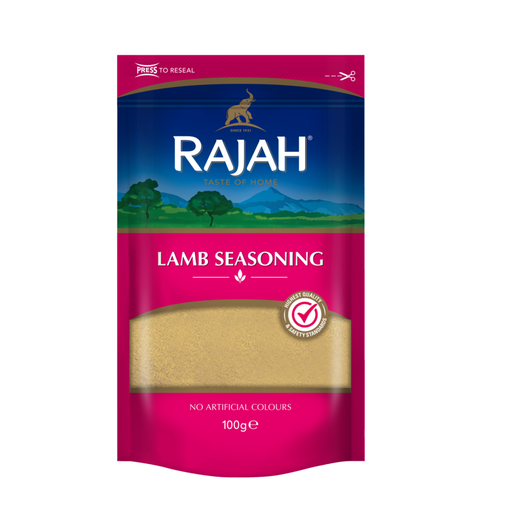
Why This Fits Their Persona: A straightforward 100g dry blend for shoppers beginning to cook lamb roasts, kebabs, stews or grilled chops at home.
The ingredient list is provided clearly, helping you identify salt, herbs and spices before use.
Contains rosemary, mint, coriander, black pepper and oregano; suitable for roasting, grilling and stewing.
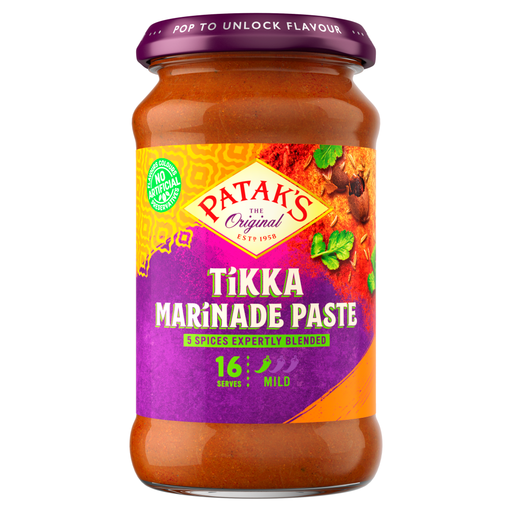
Why This Fits Their Persona: A larger ready-to-use option for cooks who want to prepare tandoori-style chicken, lamb, vegetables or tofu with fewer separate ingredients.
It is a marinade rather than a dry powder, and the instructions specify stirring, mixing with yoghurt and cooking thoroughly.
Includes ginger purée, coriander, cumin, paprika and tamarind; suitable for grilling, baking or roasting.
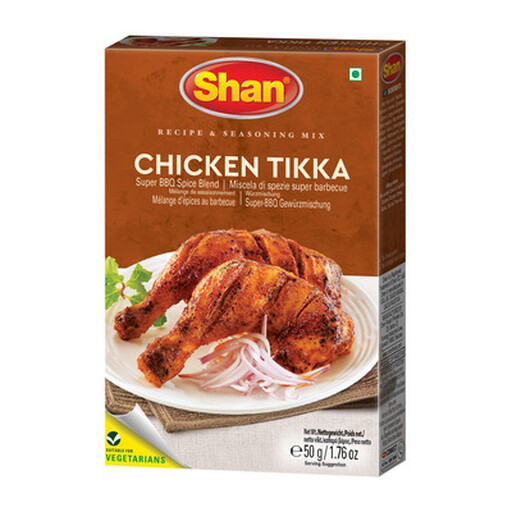
Why This Fits Their Persona: Individual sachets suit BBQ enthusiasts and larger households preparing repeated chicken tikka meals.
Each 50g pack is portioned for cooking, reducing guesswork. The packaging also identifies its high salt content and allergen information.
Can be used as a yoghurt-based BBQ marinade or dry rub; the box contains six individual 50g packs.
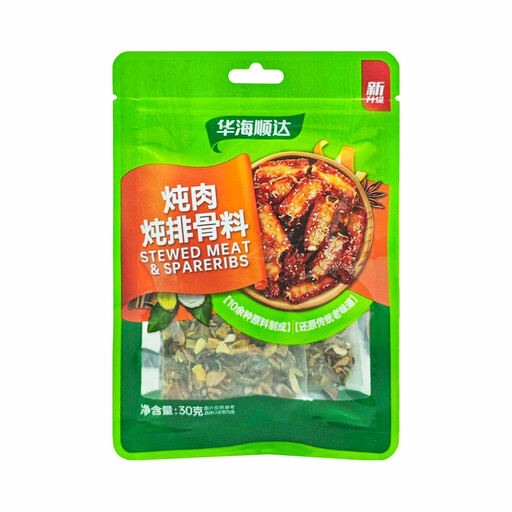
Why This Fits Their Persona: A portioned spice sachet for cooks making slow-braised beef, pork or ribs without measuring many individual spices.
The 30g sachet is specified for 1–2kg of meat, making the quantity easier to plan than an unportioned jar.
Includes tangerine peel, fennel, star anise and Sichuan pepper; the sachet is removed before serving.
We have compiled a complete, real-time list of products that fully satisfy these strict selection criteria and UK safety regulations.
For Caribbean-style dishes, Caribbean seasoning blends may include thyme, pimento, onion and garlic, while curry goat seasoning commonly uses turmeric, cumin, coriander and fenugreek. These are suited to slow-cooked goat, lamb or mutton rather than quick pan-frying.
For South Asian dishes, an Indian spice mix, chicken masala or tandoori marinade can provide a more specific flavour direction. Mix powder with yoghurt where the instructions recommend it, and allow enough marinating time for the recipe.
For British-style meals, gravy granules are a finishing product. Lamb and mint varieties are practical with roast lamb, shepherd’s pie and pies, but they should be prepared separately with boiling water. For Chinese-inspired meals, a hot pot soup base or braising blend can provide a convenient foundation for beef, lamb slices and vegetables.
Meat seasoning is commonly a dry powder or spice blend applied directly to the surface or added during cooking. A meat marinade is usually a liquid or paste containing water, oil, acids, spices or aromatics. Marinades may need refrigeration after opening and should not be eaten raw.
Follow the best-before date and storage instructions on the packaging. Dry powders generally retain their aroma more effectively when tightly sealed and kept away from heat and moisture. Opened marinades and pastes often need refrigeration and use within a specified period.
Use less of the blend, increase the amount of unsalted meat or vegetables, and avoid adding extra stock or salt until tasting. For soup bases and gravy products, follow the recommended dilution first, then adjust with water if the flavour is too concentrated.