
24/7 Customer Support

Free returns

Same-day & Next-day Delivery

Quality Guaranteed

Unlock Your Welcome Offers: FREE Delivery | Up to 80% OFF | Free 30-day JoyPlus trial
Download the APP
Tough beef, chewy chicken and unevenly cooked steaks can make a planned meal disappointing. A meat tenderiser can help, but choosing the wrong type may create new problems. Some powders contain more salt or starch than expected, while poorly designed tools can be uncomfortable, difficult to clean or too aggressive for delicate cuts.
Before buying, decide whether you need a meat tenderising powder, a meat tenderising tool or both. Powder works through a marinade, whereas a steak tenderiser, chicken tenderiser or kitchen mallet physically breaks down fibres before cooking.
Some products marketed as tenderising powder contain a blend of salt, sugar, starch, spices and food additives. Papain may be included, but it is important to read the full ingredient list rather than relying on the product name.
For example, McCormick Meat Tenderiser lists salt, glucose, starch, papain and calcium silicate. GZY Meat Tenderiser Powder contains salt, white sugar, cornflour, papain and spices. These ingredients may affect the final flavour, so factor them into your marinade and avoid adding extra salt automatically.
Enzyme-based products are intended for cooking preparation, not direct consumption. Excessive use or a long marinade may produce an overly soft surface and an uneven texture. Follow the packaging instructions and make sure marinated meat is thoroughly cooked before serving.
Also check storage guidance. Powders can absorb moisture, which may affect how easily they measure and mix. A tightly closed container stored in a cool, dry place is practical for UK kitchens.
A heavy kitchen meat mallet can flatten meat quickly, but excessive force may tear chicken breast or create an uneven thickness. A tool should have a controllable striking surface, a comfortable handle and a material that is straightforward to clean.
Avoid confusing a meat tenderiser with unrelated products such as pet treats or ready-to-eat tender meat products. Always confirm that the item is intended for human food preparation and check its materials and care instructions.
For a powder, look for a clearly stated ingredient list, net weight, allergen information and usage instructions. Papain meat tenderiser uses papain, an enzyme preparation commonly included in seasoning blends. However, the quantity and supporting ingredients vary between products.
A starch-based product is a different option. Cassava starch for tenderising meat can help create a smooth coating for stir-fries and may also be used for thickening sauces or preparing crispy coatings. It does not offer the same ingredient profile as papain, so choose according to your recipe rather than assuming all powders work identically.
For frequent use, prioritise food-contact suitability, rust resistance and easy cleaning. A 304 stainless-steel tool, such as the Maxcook model listed below, offers a clearly specified material and a weighted construction for pounding, tenderising and flattening.
Check whether the product is dishwasher-safe or requires hand washing. Drying the tool thoroughly after cleaning helps reduce water marks and supports hygienic storage.
A useful steak tenderiser should allow controlled pressure. A textured face can pierce or break down tougher cuts, while a flatter face is more suitable for creating an even thickness for chicken or schnitzel-style recipes.
A secure grip matters just as much as weight. If the handle is uncomfortable, you may use too much force or stop before the meat is evenly prepared. For barbecue preparation, consider the amount of meat you normally cook and whether the tool can be stored easily in a kitchen drawer.
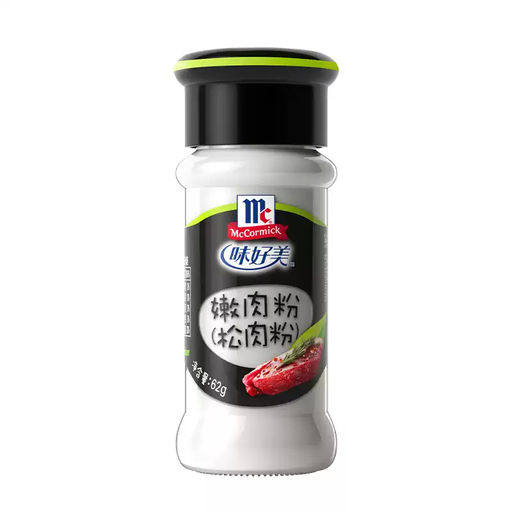
Why This Fits Their Persona: A compact seasoning option for home cooks who want to try a powder-based meat tenderiser without buying a large pack.
The listed ingredients make the salt, starch and papain content visible before purchase, helping you adjust your marinade.
62g pack size; includes papain and is intended for cooking preparation.
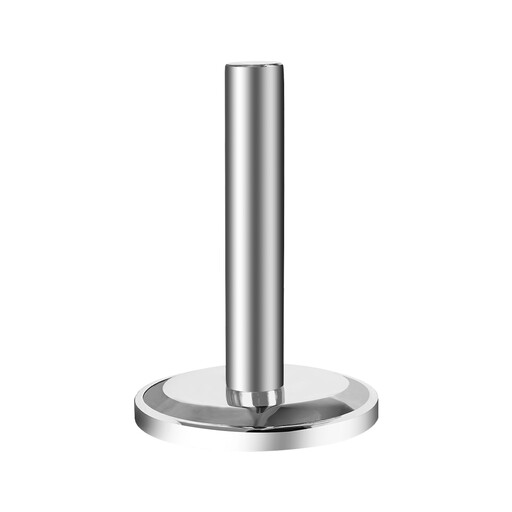
Why This Fits Their Persona: Suitable for shoppers who prefer a reusable tool with a clearly specified construction for regular steak and chicken preparation.
The material and care instructions are stated, avoiding vague claims about durability or cleaning.
Food-grade 304 stainless steel; weighted design for pounding, tenderising and flattening.
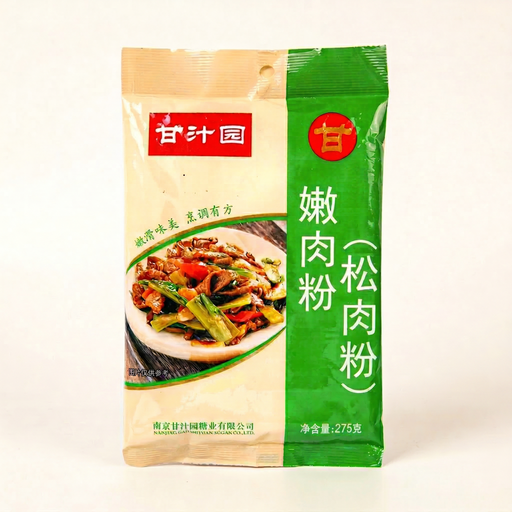
Why This Fits Their Persona: A larger pack for cooks preparing marinades regularly for family meals, stir-fries or barbecue batches.
It provides a full ingredient list and explicitly states that meat must be marinated and thoroughly cooked.
275g net weight; contains papain, cornflour, sugar, salt and spices.
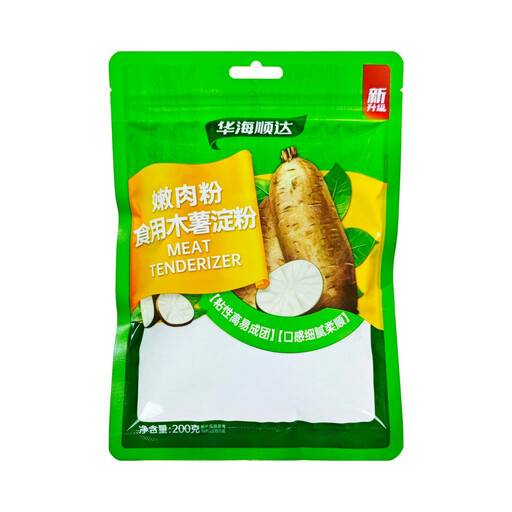
Why This Fits Their Persona: Useful for shoppers who want one cupboard ingredient for meat marinades, sauces, frying coatings and baking.
Its single listed ingredient, cassava starch, makes it easier to understand and use without adding seasoning.
200g pack; contains cassava starch only and has no listed allergens.
We have compiled a complete, real-time list of products that fully satisfy these strict selection criteria and UK safety regulations.
Papain-based powder can be used with chicken when the product label lists it as an intended use. Use the stated instructions, avoid excessive quantities and cook the chicken thoroughly. A kitchen mallet may be more suitable when you want to flatten chicken evenly without changing the seasoning.
No. Cassava starch is a single starch ingredient that can support coatings, sauces and some meat marinades. A tenderising powder may contain papain, salt, sugar, starch and spices. Check the ingredient list to select the texture and flavour profile your recipe needs.
Choose a powder when you want tenderising incorporated into a marinade and do not mind additional seasoning. Choose a kitchen meat mallet when you need fast, physical preparation or an even thickness for steaks and chicken. Frequent cooks may keep both options available for different recipes.