Shared-desk yearbook editors
If you type captions, articles and layout notes beside someone else, the installed switch matters: an audibly clicky option can disrupt the person sharing your desk.


For yearbook work beside someone else, start by checking the exact switch variant rather than choosing a keyboard simply because it is mechanical. A quiet-labelled or dampened option is more relevant than an audibly clicky one, but its label cannot guarantee how it will sound at your desk. Then weigh space for a mouse and proofs against the need for a number pad, and check the key layout and device connections before ordering.
If you type captions, articles and layout notes beside someone else, the installed switch matters: an audibly clicky option can disrupt the person sharing your desk.
If a mouse, notebook, proofs or laptop must fit alongside the keyboard, check its physical footprint as well as its key arrangement.
If you want UK-style keys or hope to change switches later, check the exact layout and replacement-switch compatibility. Keychron offers UK-ISO models, but its V1 Max switch compatibility should not be assumed for other boards.
Decide which requirement comes first at your shared desk, then check the exact keyboard variant against the other work you do. A compact layout, a quiet-labelled switch and convenient device switching answer different needs; none guarantees the others.
| Concern | What to check | Who this matters to |
|---|---|---|
| Typing noise | Check the installed switch variant. Logitech offers a Tactile Quiet option for MX Mechanical; Razer describes sound dampeners on the linear optical Huntsman V2 configuration, not its clicky switches. | If I type captions beside another editor, I want to avoid adding audible clicks to their workspace. Around 31% of consumers put limiting that disruption first. |
| Desk space | Measure the available width and decide whether you need a dedicated number pad; inspect the keys retained on a compact layout. | With proofs and a mouse beside my keyboard, I need enough room to work without crowding the other person. Keeping that space clear comes first for around 25% of consumers. |
| Layout and customisation | Confirm UK-ISO if you need that key arrangement. For later switch changes, check the exact board and socket: Keychron specifies 3-pin and 5-pin MX switch support for its V1 Max UK-ISO model. | If familiar key positions and the option to change typing feel matter most to me, I need to check compatibility before choosing a board. Around 25% of consumers prioritise that flexibility. |
| Setup and devices | Check connection modes and compatibility with the devices you use. Position the keyboard centrally and just below elbow height, as the Health and Safety Executive advises for display-screen work. | When I move between editing devices or spend long sessions at the desk, I need a setup I can use comfortably without repeated reconnection. That workflow is the main concern for around 19% of consumers. |
Switch variants can have different sound and feel. Logitech lists Clicky separately from Tactile Quiet, while Razer distinguishes its audible clicky switches from its dampened linear option.
Read the switch designation for the exact configuration you intend to buy; a keyboard-family name or photo is not enough.
A compact layout can free desk space while removing a dedicated number pad or changing where other keys sit. That matters if yearbook work involves repeated figures or spreadsheet entry.
List the keys you use regularly, then compare the exact layout with the space available for your mouse and printed materials.
Switch sockets and replacement parts must fit the particular board. Keychron specifies support for 3-pin and 5-pin MX mechanical switches on the V1 Max UK-ISO; that specification does not apply to every hot-swappable keyboard.
Confirm switch-pin compatibility for your model and check keycap fit if you intend to retain a UK-ISO layout.
Changing the setup later may also require separate compatible switches or layout-specific keycaps.
Keyboard position is only one part of a workable editing station. The Health and Safety Executive advises keeping the screen and keyboard central and the keyboard just below elbow height.
Make room to rest your hands when you are not typing, and adjust the workstation as well as choosing a keyboard.
The MX Mechanical family offers low-profile keyboards in full-size and Mini formats.
Its UK-ISO options include compact layouts for buyers who value familiar keys and configuration choices.
The Huntsman V2 offers a linear optical switch route for buyers considering a gaming-focused keyboard for yearbook work.
These keyboards span full-size and compact layouts relevant to a yearbook desk. Compare the named switch and key layout on each one before deciding whether it suits the person sharing your space.
 No image available
Consider this full-size option if yearbook figures make a dedicated number pad important, but allow for its wider footprint.
The title specifies 108 keys, tri-mode wireless connection, hot-swap support and an 8000mAh battery. Silent Tactile names the installed switches; check whether their actual sound suits your shared desk. The US layout is not UK-ISO.
 No image available
Consider this compact arrangement when mouse space and a UK key layout matter more than a full-size number pad.
It is a wired keyboard. Check that its key arrangement works for page numbering and other yearbook tasks; a dampening description alone cannot tell you how it will sound beside another person.
 No image available
The 75% format is worth considering if proofs and a mouse compete for desk space, provided its key arrangement works for your editing tasks.
The title specifies wired, Bluetooth and 2.4G connection options. Confirm the installed switch before relying on a particular typing sound, and note that its US QWERTY layout is not UK-ISO.
 No image available
This 80% option suits a desk where a smaller keyboard footprint matters, if its remaining keys cover your yearbook workflow.
The title specifies tri-mode connection and a US QWERTY layout. Check the sound of the installed Latte switches in your intended setting rather than treating a quiet-operation description as a measured result.
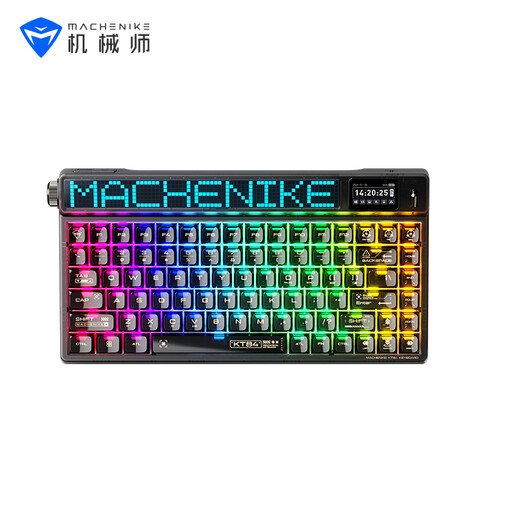 No image available
Consider the 75% layout when keeping space beside the keyboard matters more than having a dedicated number pad.
The title identifies tri-mode connection, Gateron White switches and a US QWERTY layout. Confirm that the keys suit your work and that the typing sound is acceptable at a shared desk.
Choose another switch option if avoiding audible disruption is your priority. Logitech distinguishes Clicky from Tactile Quiet, and Razer describes its clicky switches as providing audible feedback; check the exact variant rather than assuming every mechanical keyboard sounds alike.
Choose full-size if you regularly need a dedicated number pad for figures or spreadsheets; consider a compact layout if room for a mouse and proofs matters more. Check the exact navigation and function keys before giving up desk width or number-entry convenience.
Keep the keyboard just below elbow height and the screen and keyboard central, in line with Health and Safety Executive display-screen guidance. Leave space in front to rest your hands when you are not typing; choosing a different keyboard does not replace arranging the workstation.