If both screens run from one computer, choose a mechanical keyboard by layout, switch sound and desk fit rather than multi-device switching. If you type on separate computers, check how the keyboard changes between them; a full-size UK-ISO layout gives you dedicated numeric keys but takes more desk space than a compact board.
Who this applies to
Writers using separate devices
If you move between a main editing computer and a laptop, tablet or office machine, check how many typing hosts a keyboard supports and how you switch between them. A second display connected to one computer does not create that need.
Writers in shared spaces
When newsletter copy is written near colleagues or family, the selected switch and the sound of the complete keyboard matter alongside typing feel. A quiet-sounding switch name alone cannot tell you how it will sound on your desk.
Editors who rely on UK key positions
If you regularly use UK punctuation, editing keys or a number pad, inspect the exact physical layout and legends. Logitech describes ISO as standard across the UK and Europe, but an ISO listing does not by itself confirm UK legends on the variant you will receive.
What to check before buying
First establish whether your two screens use one computer or whether you type on separate devices. Then weigh switch sound, key placement and the space available in front of the screens.
| Concern |
What to check |
Who this matters to |
| Switching between devices |
Count the computers or tablets you type on; check the selected keyboard’s supported host count and switching method. |
If I move copy between a desktop and a separate laptop, I want to change typing hosts without repeated pairing. Around 31% of consumers put switching between separate devices first. |
| Typing sound |
Confirm the exact switch variant and, where possible, listen to that configuration rather than relying on the keyboard name. |
During long writing sessions beside other people, I want the key sound to be less disruptive without giving up the feel I prefer. For around 31% of consumers, that sound-and-feel balance is the main concern. |
| UK layout and key access |
Inspect the variant’s physical layout and legends; decide whether dedicated numeric and navigation keys are important. |
If I enter figures and use UK punctuation throughout an issue, familiar key positions and direct access to editing keys matter most. Around 25% of consumers prioritise that layout and key access. |
| Desk fit and positioning |
Measure usable desk space and check whether the keyboard can sit centrally at a suitable height. |
With two displays competing for room, I need a keyboard that fits without pushing my working position off-centre. Desk fit and positioning come first for around 13% of consumers. |
Buying pitfalls
-
Assuming two monitors require device switching
Two displays attached to one computer still use a single typing host. Keyboard switching features help when you move between separate devices, not when you move a window between screens.
List the devices you actually type on before comparing pairing counts or receiver options.
-
Choosing a compact layout before checking your editing keys
A smaller board can make room on a two-screen desk, but navigation keys and numeric entry may work differently from a full-size layout.
Compare a diagram of the exact variant with the shortcuts, punctuation and number-entry tasks you use for each issue.
If frequent figure entry proves awkward, a separate number pad may be needed.
-
Expecting every mechanical switch to sound alike
Switch options and keyboard construction affect sound character. Logitech, for example, offers Tactile Quiet, Clicky and Linear options for MX Mechanical; those labels describe different variants, not a noise rating for every configuration.
Confirm the switch fitted to the product you select and listen to that variant where possible.
-
Replacing the keyboard instead of arranging the workstation
A different keyboard cannot by itself correct an awkward screen or chair position. The Health and Safety Executive advises keeping the screen and keyboard central, avoiding back twisting and placing the keyboard just below elbow height.
Arrange the two-screen desk and adjust your working position before deciding whether keyboard height or size is the remaining problem.
Relevant brands to consider
Logitech
The low-profile MX Mechanical line is relevant if you want switch choices and a way to move between typing hosts.
- Logitech states that MX Mechanical can connect to up to three devices and offers Tactile Quiet, Clicky and Linear switch options.
- Check the chosen switch and whether the listing is for the full-size or Mini format; those choices affect sound character and available keys.
Keychron
The Q6 Max UK-ISO option is relevant to a fixed writing desk where a full-size layout and several connection modes are priorities.
- Keychron’s UK Q6 Max listing specifies a full-size UK-ISO layout with 2.4 GHz, Bluetooth 5.1 and wired USB-C connections.
- Its full-size metal construction needs desk space; assess the selected configuration rather than treating the maker’s acoustic descriptions as a measured noise result.
Akko
The 5075B Plus VIA ISO line is relevant if a more compact keyboard would help on the newsletter desk.
- Akko lists ISO-DE/UK/Nordic coverage, ISO-UK extra keycaps and Bluetooth, 2.4 GHz and wired USB-C modes for this line.
- Confirm the exact layout and supplied keycaps when ordering; the listing cautions that keycap colours are for reference.
Razer
The Pro Type Ultra offers another configuration to examine when sound in a shared workspace is a priority.
- Razer describes silent mechanical switches, sound-dampening foam and wired, Bluetooth and 2.4 GHz modes for the Pro Type Ultra.
- Those sound descriptions are the manufacturer’s claims. Confirm the exact UK layout and key legends before treating it as an alternative to a specified UK-ISO board.
Joybuy product choices
These mechanical keyboards offer compact and full-size options for a newsletter desk. Compare each variant’s key layout with your writing tasks, and check its device-switching controls if you type on more than one computer.
 No image available
HyperX Alloy Rise 75 Wireless Keyboard UK
Consider this wireless model if you are comparing keyboards for a two-screen writing desk. Its UK-labelled name does not establish the physical key layout: check the legends and key positions on the exact variant, along with its device-switching controls if you use separate computers.
View on Joybuy
 No image available
Ticktype DP104 108-key US-layout keyboard, Gecha Gray, Silent Tactile switches
Consider the full-size 108-key format if direct numeric-key access matters more than saving desk width. This Gecha Gray variant is labelled US layout and Silent Tactile; the switch name is not a measured sound level. Its title also specifies tri-mode connectivity, hot-swappable switches, an aluminium build and an 8000 mAh battery; check host-switching support separately if you use multiple computers.
View on Joybuy
 No image available
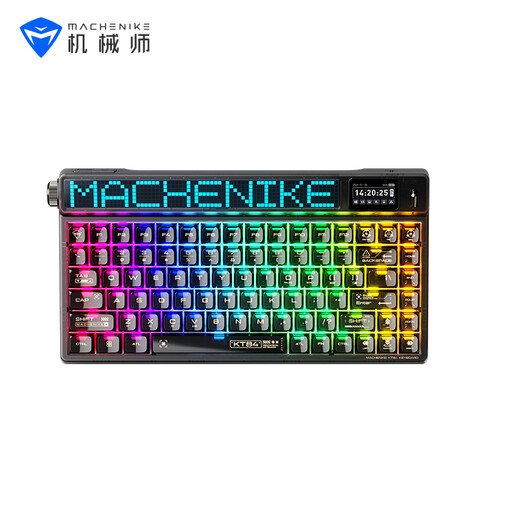
MACHENIKE KT84-B84W 75% keyboard, Black, Gateron White switch
The stated 75% format may suit a desk where keyboard width matters. This Black, tri-mode variant is labelled QWERTY US layout with a Gateron White switch; compare its key arrangement with your editing tasks and confirm how it switches between hosts if that is important to you.
View on Joybuy
 No image available
MACHENIKE KG87 80% keyboard, US layout, Latte Switch-Pink variant
Consider this 80% format when you want to compare a smaller board with the space taken by a full-size keyboard. The title identifies a QWERTY US layout, tri-mode connections, gasket mount and Latte Switch-Pink variant; check the key arrangement and host-switching method against your newsletter workflow.
View on Joybuy
 No image available
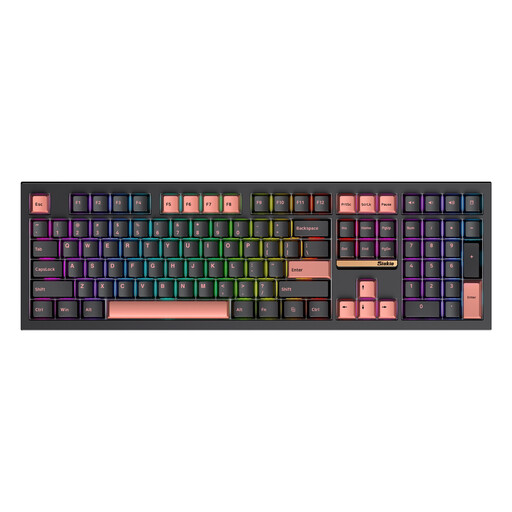
Siukie PL108W 108-key three-mode mechanical keyboard, Black
The 108-key format is worth comparing if you regularly enter figures and have room for a full-size board. This Black variant’s title specifies three-mode operation, detachable switches and RGB lighting; inspect its physical layout and legends before relying on familiar UK key positions, and confirm host-switching support separately.
View on Joybuy
Common questions
Do two screens mean I need a multi-device keyboard?
No: two monitors attached to one computer still use one typing host. Prioritise switching features if you also type on a separate computer or tablet, and confirm how the keyboard changes between those devices.
Should I choose UK-ISO rather than ANSI for newsletter writing?
Choose an explicitly UK-ISO variant if familiar UK physical key positions and legends matter to your work. Logitech describes ISO as standard across the UK and Europe, but you still need to inspect the exact product variant; an ISO-capable range can contain different national configurations.
Will a low-profile keyboard fix an uncomfortable two-screen setup?
Not by itself. A lower key profile may suit your preference, but the Health and Safety Executive advises placing the keyboard just below elbow height and keeping the screen and keyboard central so you do not twist your back.
When do workplace display-screen rules apply?
The Health and Safety Executive says the UK Display Screen Equipment Regulations apply to workers who use display screen equipment daily for continuous periods of an hour or more. That is a condition concerning workplace screen use, not an approval or requirement for a particular mechanical keyboard.


