
24/7 Customer Support

Free returns

Same-day & Next-day Delivery

Quality Guaranteed

Unlock Your Welcome Offers: FREE Delivery | Up to 80% OFF | Free 30-day JoyPlus trial
Download the APP
Buying medium nitrile gloves seems straightforward until the box arrives and the gloves tear, feel loose at the fingertips or offer little protection against the substance you are handling. For UK households, salons, food businesses, healthcare settings and trades, the right choice depends on more than colour or pack size.
This guide explains what to check before buying, which features genuinely matter and which medium-sized gloves may suit different working routines.
Nitrile is latex-free and can provide a useful barrier against dirt, liquids and some chemicals. However, chemical resistance varies by formulation, thickness and the specific chemical. A glove described as chemical-resistant is not automatically suitable for concentrated solvents, corrosive products or prolonged immersion.
For stronger cleaning agents or workplace chemicals, check the product’s technical information and compatibility data. Follow the chemical manufacturer’s safety instructions rather than relying on colour, thickness or general marketing language.
A box of 100 disposable gloves is convenient for food preparation, examinations, tattoo work and short cleaning tasks. They should generally be replaced between tasks and discarded after use.
Reusable household gloves, by contrast, are designed for rinsing and drying between uses. They may offer a more comfortable lining and thicker construction for washing-up or bathroom cleaning, but they are not a substitute for medical examination gloves, food-contact disposable gloves or gloves specified for industrial chemicals.
Medium is not a universal measurement. A glove that is too tight may split at the fingers or cause discomfort, while an oversized glove can reduce dexterity and grip. Check the seller’s sizing information and consider the hand circumference and finger length, not just the label.
For professional use, keeping more than one size available can reduce waste when different staff members share supplies.
If you need latex-free disposable gloves, nitrile is a practical option because it does not contain natural rubber latex. Powder-free nitrile gloves can also help reduce powder transfer to food, surfaces and equipment. The Unigloves Pearl range uses a chlorinated finish to support easier donning and is supplied powder-free.
People with sensitive skin should still monitor for discomfort. Latex-free does not mean irritation-free, and gloves should be removed if itching, redness or other skin reactions occur.
For healthcare, dentistry, tattooing and piercing, select gloves clearly described for the intended professional use. Check the packaging for applicable markings and standards, such as medical device or protective glove information where relevant. A listed AQL 1.5 is a pinhole acceptance level used for certain examination gloves; it does not mean a glove is suitable for every chemical or task.
For food preparation, look for explicit food-contact suitability and follow workplace hygiene procedures. “Food-safe gloves” should be used as directed, with clean hands and frequent changes between raw and ready-to-eat foods.
Textured fingertips can help when handling wet or oily objects. A beaded cuff may make donning easier and reduce liquid rolling towards the wrist. Touchscreen compatibility is useful for cleaners, delivery staff and healthcare workers who need to operate a phone or tablet without removing their gloves.
For gardening or heavy household work, disposable gloves may not provide adequate abrasion or puncture protection. A leather-palmed gardening glove or a reusable household glove is usually more appropriate.
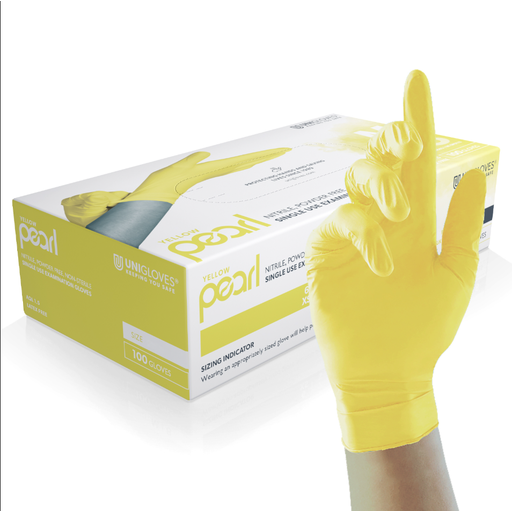
Why This Fits Their Persona: A box of 100 medium gloves is practical for households, small businesses and users who need one versatile disposable option for food handling, cleaning or occasional DIY tasks.
The product description clearly identifies nitrile, latex-free and powder-free construction, while also stating single-use directions rather than implying indefinite reuse.
Powder-free, latex-free nitrile; textured fingertips; touchscreen compatibility; beaded cuff; 100 gloves per box.
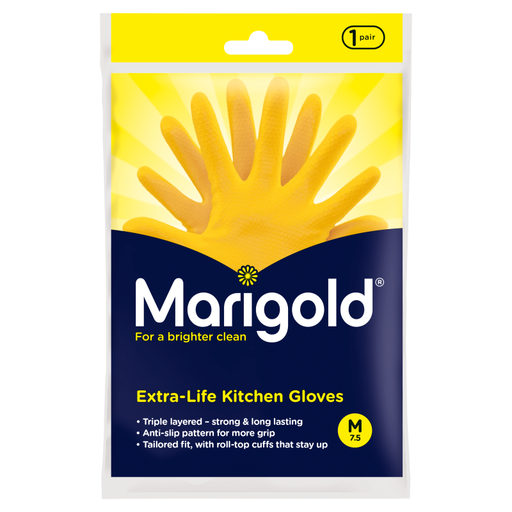
Why This Fits Their Persona: Suited to UK households and frequent cleaners who prefer a reusable glove for washing-up, bathroom cleaning and everyday detergents rather than repeatedly buying disposable pairs.
Its reusable design, cotton lining and rolled cuffs make its intended household-cleaning role clear. The supplied guidance also warns against strong corrosive chemicals.
Nitrile coating, triple-layer construction, cotton lining, anti-slip grip and beaded roll-top cuffs.
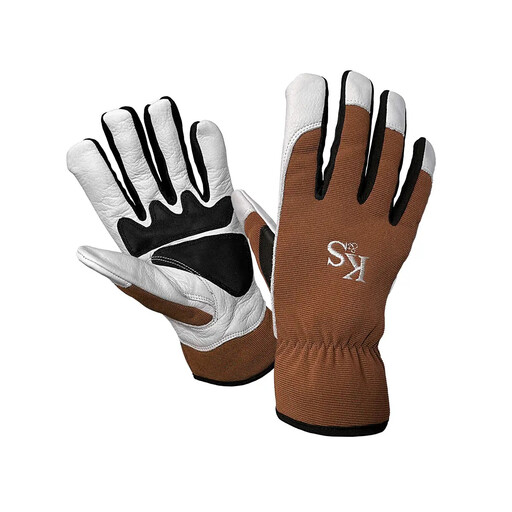
Why This Fits Their Persona: Gardeners handling tools, pots, rough materials and soil need more physical protection than thin disposable gloves can provide.
It is presented as a reusable gardening glove rather than a disposable or chemical-resistant examination glove, helping buyers match construction to the task.
Leather palm, breathable fabric back, reinforced patches and elasticated wrist.
We have compiled a complete, real-time list of products that fully satisfy these strict selection criteria and UK safety regulations.
They can be, but check that the packaging specifically states suitability for food contact and follow the relevant handling instructions. Use a fresh pair when changing between different food tasks, particularly raw and ready-to-eat ingredients.
There is no universal wear time. Replace them when they become torn, visibly dirty, contaminated, wet inside or when changing tasks. Single-use gloves should not be cleaned and reused.
Not automatically. Resistance depends on the chemical, concentration, contact time and glove specification. For strong or corrosive substances, consult the product’s chemical-resistance data and use the protective equipment required by the substance’s safety information.