
24/7 Customer Support

Free returns

Same-day & Next-day Delivery

Quality Guaranteed

Unlock Your Welcome Offers: FREE Delivery | Up to 80% OFF | Free 30-day JoyPlus trial
Download the APP
That tiny, unassuming memory card is the unsung hero of our digital lives. It holds our holiday photos, our favourite games and the crucial footage from our dash cams. Yet, choosing the right one can feel like navigating a minefield of technical jargon and misleading claims. Many UK shoppers end up with a card that’s either frustratingly slow, incompatible or worse, fails when it's needed most.
Before you add any card to your basket, it’s vital to understand the common pitfalls. Many are lured by a low price or a high capacity number, only to discover they’ve made a costly mistake. The two most frequent traps are:
To avoid these issues, you need to look past the marketing and focus on a few core parameters. Understanding these will ensure you get a card that performs reliably for its intended purpose.
Capacity, measured in gigabytes (GB) or terabytes (TB), seems straightforward, but it's about finding the right balance. A 128GB microSD card is a versatile starting point for many, holding thousands of photos or a good number of Nintendo Switch games. For videographers shooting in 4K or drone pilots, a 512GB SD card or even a 1TB microSD card becomes more practical.
This is where most confusion happens. A high speed memory card isn't just about the "MB/s" number on the packaging. Look for these specific class ratings on the card itself:
This is simple: it's about physical size.
We've filtered through the options to match specific cards to the people who need them, ensuring they solve the common problems and offer reliable performance.
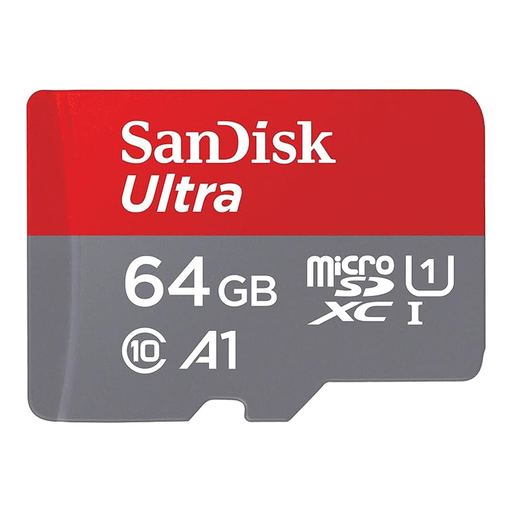
Why This Fits Their Persona: This is a dependable and affordable choice for expanding storage on an Android smartphone or tablet. It provides enough space for extra photos, music and apps without a hefty price tag. The included SD adapter adds great value, allowing it to be used in a laptop or older camera.
It avoids the trap of overspending on unnecessary speed. Its A1 rating is specifically designed for running apps smoothly from the card, which is exactly what a phone user needs, without paying a premium for V60/V90 video speeds they won't use.
A1 App Performance: Ensures apps load faster and the phone feels more responsive. Versatility: The included SD adapter means it can be used across multiple devices.
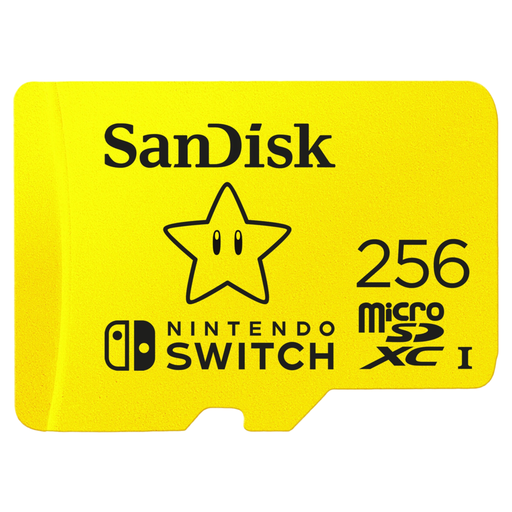
Why This Fits Their Persona: For Nintendo Switch owners, compatibility and load speed are everything. This officially licensed card is specifically tested and approved by Nintendo, providing peace of mind. The 256GB capacity is a great sweet spot, holding a substantial library of digital games without needing to constantly delete and re-download titles.
It completely sidesteps the speed mismatch and compatibility trap. By choosing the officially licensed card, you are guaranteed to get the performance the Nintendo Switch was designed for, preventing frustratingly long loading screens that can occur with slower, non-optimised cards.
Official Nintendo License: Guarantees seamless compatibility and performance. Balanced Speed: Read/write speeds (up to 100/90 MB/s) are optimised for quick game loading.
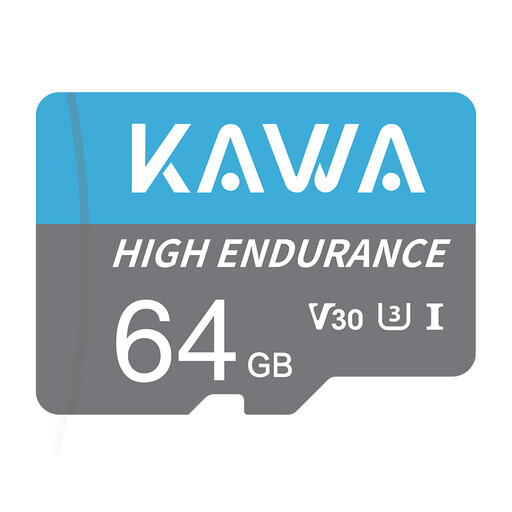
Why This Fits Their Persona: This card is purpose-built for the demanding environment of a dash cam or security camera. These devices are constantly recording and overwriting footage, a process that quickly wears out standard memory cards. A high-endurance card is essential for reliability and ensuring footage is there when you need it.
This directly solves the critical 'endurance blind spot'. Using a regular card in a dash cam is a false economy that leads to card failure. This card is specifically designed for a high number of write cycles, providing the long-term reliability required for safety and security devices.
High Endurance: Built to withstand continuous read/write cycles in loop recording. Temperature Resistant: Operates reliably in the hot and cold conditions inside a car.
We have compiled a complete, real-time list of products that fully satisfy these strict selection criteria and UK safety regulations.
The lifespan of a memory card is measured in write cycles. For general use like taking photos or storing files, a standard card from a reputable brand like SanDisk, Kingston or Lexar can last for many years. However, for continuous recording devices like dash cams, a standard card may only last 6-12 months. This is why a high-endurance model, designed for thousands of hours of recording, is the correct choice for those applications.
Yes, it is highly recommended. While most cards come pre-formatted, you should always format a new card inside the device you intend to use it with (e.g., in your camera's menu or via your Nintendo Switch's settings). This ensures the card's file system is perfectly configured for that specific device, preventing potential errors and ensuring optimal performance. Remember that formatting erases all data, so be sure to back up any existing files first.
The only significant difference is their physical size. An SD card is the larger, postage-stamp-sized card commonly used in digital cameras and laptops. A microSD card is the much smaller, fingernail-sized version used in smartphones, drones and portable gaming consoles. Many microSD cards are sold with an SD adapter, which is a plastic shell that allows the smaller card to fit and function in a full-size SD card slot, offering excellent versatility.