
24/7 Customer Support

Free returns

Same-day & Next-day Delivery

Quality Guaranteed

Unlock Your Welcome Offers: FREE Delivery | Up to 80% OFF | Free 30-day JoyPlus trial
Download the APP
Sweat and body odour protection can seem straightforward until you compare cans, roll-ons and sticks with very different ingredients and performance claims. A product labelled “48-hour deodorant” may focus mainly on fragrance, while an antiperspirant is designed to help reduce underarm wetness as well as mask odour.
For UK shoppers, the right choice depends on more than scent. Application format, aluminium content, skin comfort, clothing marks and pack size all affect whether a product suits your daily routine.
A deodorant primarily helps control or mask odour. An antiperspirant usually contains an aluminium compound, such as aluminium chlorohydrate or aluminium sesquichlorohydrate, intended to help reduce perspiration at the application area.
If your main concern is damp patches during commuting, exercise or long shifts, look for sweat and odour protection and check that an antiperspirant ingredient appears in the list. If you only want fragrance and odour control, an aluminium-free deodorant may be more suitable.
Duration claims describe the product’s stated protection period under specified conditions. They do not mean that every user will remain completely dry or odour-free for that entire time. Heat, exercise, stress, clothing and application technique can all affect results.
Apply to clean, dry underarms and allow the product to dry fully before dressing. Avoid applying more than directed, especially with aerosol products.
A strong fragrance may be unsuitable if you prefer subtle grooming products or use cologne. Likewise, an aerosol may be convenient but requires ventilation and careful storage, while a roll-on can take longer to dry.
People with easily irritated skin should check for alcohol-free deodorant options and review the ingredient list. “Sensitive skin” wording is not a substitute for reading the label, particularly if you know you react to fragrance.
For wetness control, compare products containing an aluminium-based antiperspirant ingredient. Examples in this range include aluminium chlorohydrate and aluminium sesquichlorohydrate.
For odour-only protection, consider an aluminium-free deodorant. The L’Oréal Men Expert Magnesium Defence range, for example, is listed as free from aluminium salts and alcohol, while some Old Spice deodorant products use a 0% aluminium formula. These products may suit shoppers who prefer deodorising fragrance without an antiperspirant format.
Aerosols should be held around 15cm from the underarm and used in short bursts. Never spray near flames, heat sources or the face, and do not use on broken or irritated skin.
If you regularly wear black or white shirts, look for an invisible deodorant or anti-stain wording, while still allowing the product to dry before dressing. Compare the volume as well: a 250ml can may offer more applications than a 150ml can, but a 50ml roll-on is easier to store or take on short trips.
Fragrance is personal. Lynx Africa deodorant offers a recognisable warm, spicy profile, while products such as Sure Men Ice Fresh and Dove Men+Care Fresh use cleaner, fresher scent descriptions. Read the notes and choose a fragrance that works with, rather than competes with, your other grooming products.
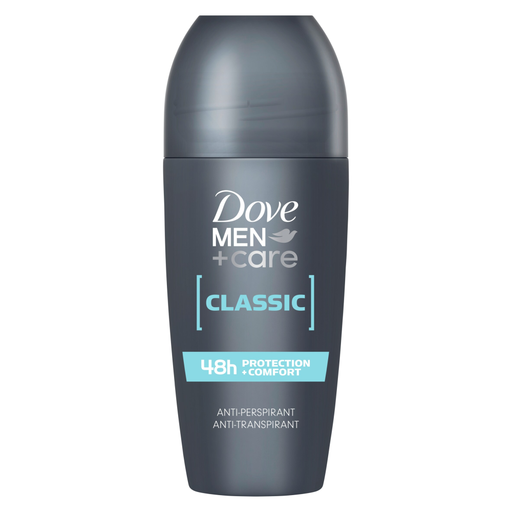
Why This Fits Their Persona: A compact everyday roll-on for shoppers wanting targeted application and a familiar fresh scent without choosing an aerosol.
Its aluminium chlorohydrate formula clearly places it in the antiperspirant category, rather than relying only on fragrance for odour control.
50ml roll-on format; includes 1/4 moisturising cream according to the product description; stated 48-hour sweat and odour protection.
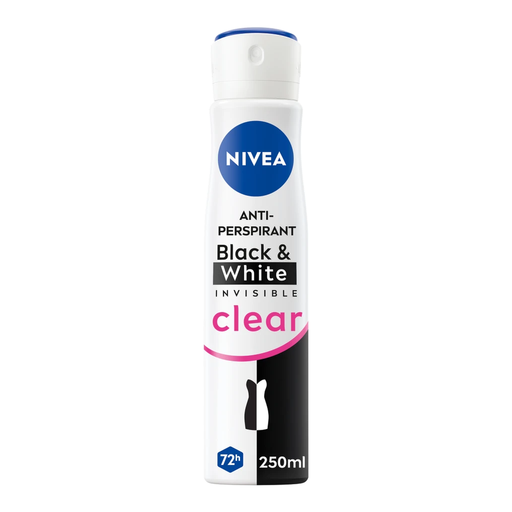
Why This Fits Their Persona: Suitable for people who rotate between dark workwear, white shirts and smart-casual clothing.
The product description specifically highlights anti-stain technology and no ethyl alcohol, helping shoppers compare clothing and formula considerations together.
250ml aerosol; stated up to 72-hour protection; designed to help reduce white marks on black clothing and yellow marks on white clothing.
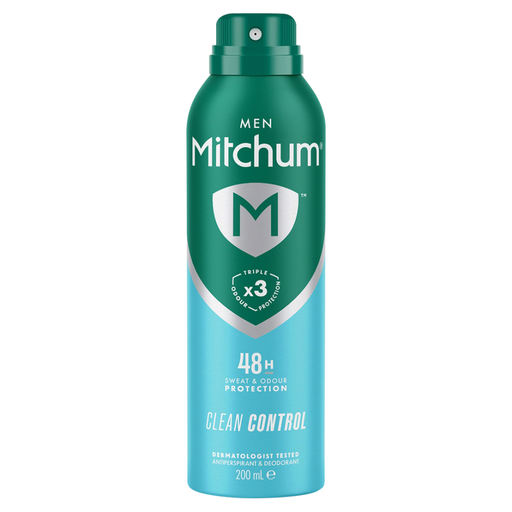
Why This Fits Their Persona: A practical aerosol option for active routines, long shifts and days when sweat and odour control are higher priorities.
It is clearly identified as both an antiperspirant and deodorant, with an alcohol-free formula and directions for controlled 15cm application.
200ml spray; stated 48-hour sweat and odour protection; triple odour defence technology; suitable for vegans according to the product description.
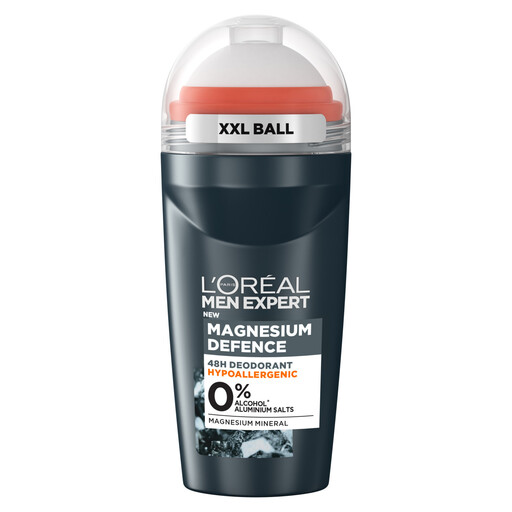
Why This Fits Their Persona: A roll-on for shoppers seeking an aluminium-free and alcohol-free deodorant with a compact daily-use format.
The product details state 0% alcohol and aluminium salts, making the formula easier to distinguish from conventional antiperspirants.
50ml roll-on; magnesium-containing formula; product description states hypoallergenic and tested under dermatological control.
We have compiled a complete, real-time list of products that fully satisfy these strict selection criteria and UK safety regulations.
Antiperspirant is generally the more relevant format because it contains an aluminium compound intended to help reduce perspiration at the underarm. Deodorant focuses on odour control and fragrance. Check the product label rather than relying on the front-of-pack wording.
Shelf life varies by product and storage conditions. Check the packaging for the manufacturer’s guidance, batch details or expiry information. In practical terms, an aerosol, roll-on or stick may need replacing sooner if its scent, texture or application changes.
A 72-hour antiperspirant can be useful if you prefer fewer reapplications, but the stated duration is not a promise of identical results for every person. Compare the format, skin compatibility, fragrance and clothing performance as well as the duration claim.