
24/7 Customer Support

Free returns

Same-day & Next-day Delivery

Quality Guaranteed

Unlock Your Welcome Offers: FREE Delivery | Up to 80% OFF | Free 30-day JoyPlus trial
Download the APP
From the slippery coastal paths of Cornwall to the stream-crossed trails of the Lake District, the right footwear is non-negotiable. Yet, the market for men's hiking water shoes is flooded with options that often over-promise and under-deliver. Many outdoor enthusiasts find their "all-terrain" shoes are dangerously slick on wet rocks, or their "quick-drying" pair remains waterlogged and heavy for hours.
As the Joybuy Product Recommendation Officer, my role is to help you sidestep these common purchasing pitfalls. This guide focuses on the critical features that separate genuinely effective amphibious footwear from the marketing hype, ensuring your next pair enhances your adventures rather than hindering them.
Before you spend your money, be aware of two frequent design flaws that can ruin an otherwise great day outdoors.
To ensure your footwear performs reliably, focus on these two non-negotiable technical specifications.
The single most important feature of any grippy water shoes for rocks is the outsole. This is your point of contact with the ground, and its material composition is critical.
A truly amphibious shoe is not just about letting water in easily; it's about getting it out just as fast. A superior drainage system is a key feature of high-performance river shoes for men.
This combination ensures the shoe remains a lightweight trekking shoe even after being fully submerged, preventing the fatigue that comes from carrying extra water weight on your feet.
We match products to people. Instead of a simple list, here is a recommendation based on a common user profile for UK outdoor activities.
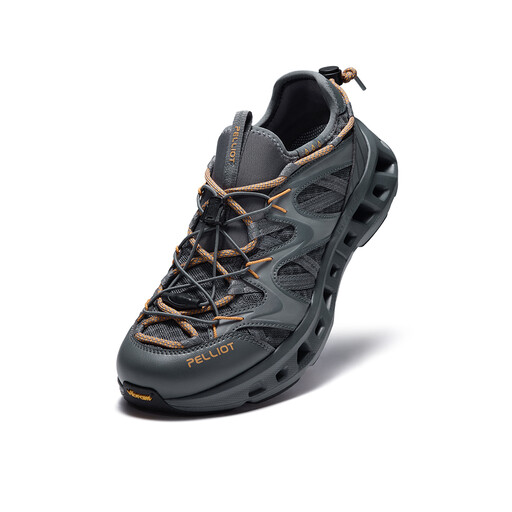
Why This Fits Their Persona: This user engages in demanding activities like coasteering, gorge scrambling or hiking trails that frequently cross streams. They prioritise safety and performance over all else and need a shoe that transitions seamlessly from dry trail to wet rock without compromising grip or adding weight.
It sidesteps the "grippy sole" fallacy by using a specified Vibram Megagrip outsole. It avoids the "quick-drying" myth with a true rapid drainage system, featuring ports in the outsole and a micro-perforated mesh under the insole to actively expel water.
The primary advantage is reliable traction on slick surfaces where safety is paramount. Its ultra-lightweight design (approx. 352g) and quick-lace system provide comfort and convenience during long, varied treks.
We have compiled a complete, real-time list of products that fully satisfy these strict selection criteria and UK safety regulations.
Yes, many modern amphibious shoes are suitable for everyday use. Models designed with cushioned EVA foam midsoles offer comfort and support comparable to standard trainers, making them a practical choice for daily walks, especially given the UK's unpredictable weather. However, their main strength remains performance on mixed wet and dry terrain.
Proper care is simple but essential. After every use, especially in saltwater or muddy conditions, rinse the shoes thoroughly inside and out with fresh water. If the insole is removable, take it out to clean separately. Allow the shoes to air dry completely, but keep them away from direct heat sources like radiators or fires, as intense heat can damage the synthetic materials and adhesives. Never machine wash or tumble dry them.
For casual beach-goers, they may not be necessary. However, for anyone engaging in activities that involve slippery rocks, wet roots or challenging coastal terrain, a specialised sole like those offered by Vibram provides a tangible improvement in traction and safety. While the initial cost may be higher, the investment often translates to better performance, increased confidence on tricky ground and greater durability, making it a worthwhile consideration for serious outdoor enthusiasts.