
24/7 全天候客户支持

免费退货

当日/次日达

品质保障

开启新人专享福利: 全场免邮 | 低至 2 折 | 免费试用 30 天 JoyPlus 会员
下载 Joybuy
Whether you need comfortable trousers for the gym, dependable layers for a British winter or relaxed bottoms for working from home, men’s joggers come in more varieties than their simple appearance suggests. The difference between useful everyday joggers and an unsuitable purchase often comes down to fabric weight, leg shape, pocket design and care requirements rather than branding.
As the Joybuy Product Recommendation Officer, my role is to filter out vague marketing language and focus on details that make a practical difference.
A tapered silhouette may look neat online but feel restrictive around the thighs or calves. Skinny-fit cotton joggers are closer to the leg, while relaxed-fit joggers provide more room for stretching, lounging and casual movement. Check the product’s waist, hip and inseam measurements rather than relying only on S, M, L or XL labels.
“Soft” does not describe warmth, breathability or weather resistance. Fleece joggers usually feel warmer because of their brushed or loopback construction, while lightweight woven trousers tend to pack more easily and dry faster. Cotton joggers can feel comfortable against the skin but may hold moisture for longer during intense exercise.
Open pockets may be convenient but do not secure keys or cards during running. Zipped or snap-closure pockets are more suitable for commuting, gym sessions and travel. Similarly, ribbed cuffs create a closer ankle fit, whereas open-bottom men’s tracksuit bottoms offer a roomier, straight-leg profile.
Look for the fibre percentages and, where provided, the fabric weight in GSM (grams per square metre):
Fabric weight is not a guarantee of performance, so consider the intended activity and the product’s construction as a whole.
An elasticated waistband with a drawcord allows adjustment, which is useful when sitting, walking or layering. Check whether the drawcord is internal or external and whether the waistband sits at the mid-rise or higher.
For fit:
Side pockets are useful for a phone and keys, but their depth and closure vary. For outdoor use, look for zipped pockets, reinforced stitching and adjustable ankle openings. Water-repellent fabric can help with light rain, but it should not be treated as equivalent to fully waterproof clothing unless the listing clearly states the relevant construction and rating.
Reflective details may improve visibility in low-light conditions, but they do not replace lights or high-visibility clothing when cycling or running beside roads.
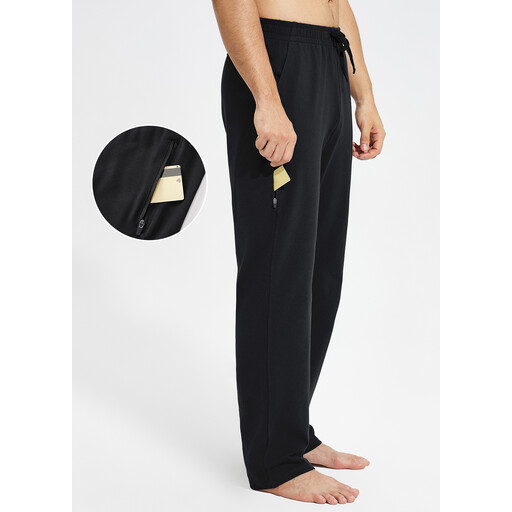
Why This Fits Their Persona: A practical black cotton-blend option for newcomers building a basic wardrobe for lounging, light exercise and everyday wear.
The listing specifies a loose straight leg, open bottom and adjustable drawstring, avoiding an unexpectedly tight tapered cut.
Cotton-blend fabric; large side pockets with zips; machine-wash guidance included.
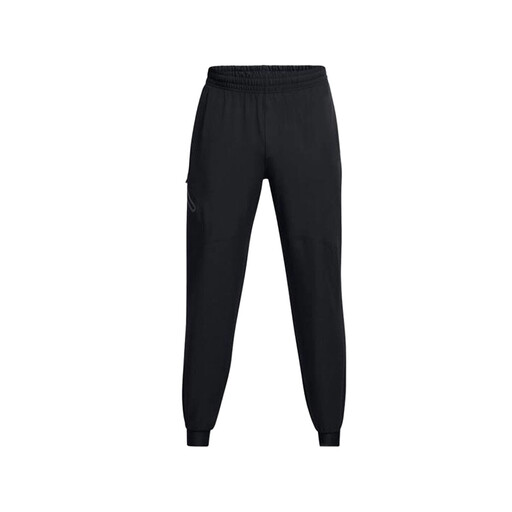
Why This Fits Their Persona: A polished black option for commuters, casual outings and shoppers wanting one pair that works beyond the gym.
The stated 190 GSM lightweight woven fabric provides more structure than typical lounge fleece, while the size table gives waist and hip measurements.
Tapered leg; side pockets; elasticated waistband with drawcord; black colourway.
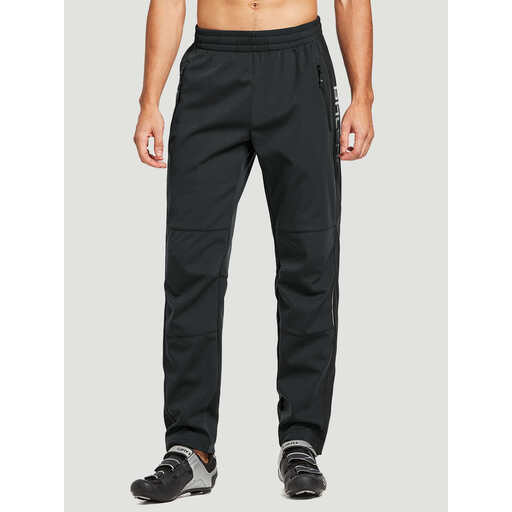
Why This Fits Their Persona: Designed for colder outdoor activities such as cycling, hiking and climbing, including changeable UK weather.
The construction lists fleece lining, windproof protection, reinforced knee stitching and adjustable ankle cuffs rather than relying on a thin fashion-led design.
Two front zipped pockets; reflective elements; fleece-lined interior; zipped ankle openings.
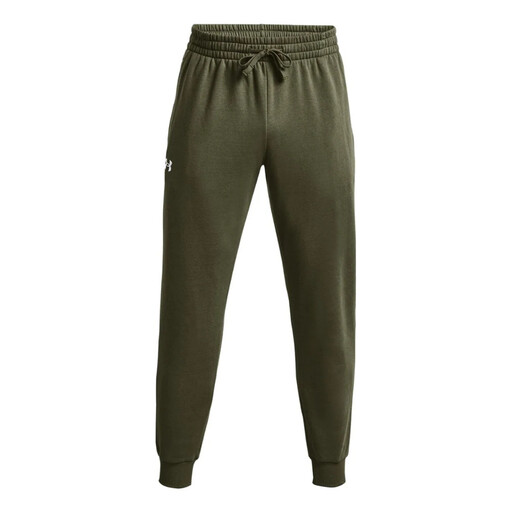
Why This Fits Their Persona: A fleece-led choice for cool mornings, post-gym relaxation, home working and casual errands.
The listing identifies a 270 GSM plush fleece fabric and relaxed fit, making the intended warmth and roomier shape clearer than an unspecified “soft” description.
270 GSM fleece; relaxed fit; elasticated waistband with drawcord; tapered leg.
For a more structured casual look, consider men’s woven trousers such as the Under Armour Vibe Woven Pants. The 190 GSM stretch woven fabric, four-way stretch and light-rain-repellent UA Storm technology are suited to commuting, warm-ups and travel. The Castlerock version uses a 180 GSM woven fabric and includes a packable design.
For extra storage, men’s cargo joggers add cargo pockets to the standard elasticated waist. For classic training and leisurewear, Adidas Entrada 22 sweat pants and Nike Park 20 Fleece Pants offer cotton-blend fleece, drawcord waists and side pockets. Shoppers seeking black joggers for men can also compare the Puma Class Relaxed Pinnacle Pintuck Sweatpants or Lyle & Scott skinny-fit cotton joggers, remembering that black cotton may require careful washing to help maintain colour.
Follow the specific care label, as fibre blends differ. Cold or low-temperature machine washing can help reduce shrinkage and colour fading. Turn garments inside out where recommended, avoid bleach and use low tumble-drying temperatures when permitted. Some heavier cotton fleece styles are better line-dried, while reflective details should not be ironed directly.
We have compiled a complete, real-time list of products that fully satisfy these strict selection criteria and UK safety regulations.
Some are, but traditional cotton sweatpants and heavy fleece joggers can retain moisture and feel warm during high-intensity exercise. For running, look for lightweight woven fabric, stretch, a secure waistband and pockets that close with a zip. Check whether the leg opening allows comfortable movement around your trainers.
Lifespan depends on fabric, frequency of wear, washing and the activity. Reinforced stitching, stable waistbands and well-finished cuffs can help a pair remain wearable, but no construction prevents normal wear indefinitely. Rotating several pairs and following the care instructions can reduce repeated washing and friction.
The main difference is drying time rather than a special washing requirement. Heavier fleece and high-cotton fabrics may take longer to dry than lightweight woven trousers. Washing at the label’s recommended temperature, using full loads where suitable and line-drying can help manage household laundry costs.