
24/7 Customer Support

Free returns

Same-day & Next-day Delivery

Quality Guaranteed

Unlock Your Welcome Offers: FREE Delivery | Up to 80% OFF | Free 30-day JoyPlus trial
Download the APP
Navigating the unpredictable British weather requires gear that is as versatile as the conditions themselves. One minute you are enjoying bright sunshine on a coastal path; the next, you are caught in a sudden downpour on a hillside. Choosing the right men's lightweight outdoor jacket can feel overwhelming with so many technical terms and features to consider. This guide is designed to cut through the clutter, offering practical advice to help you find a jacket that meets your needs for hiking, running or simply enjoying the great outdoors.
Making an informed choice comes down to understanding a few core technical aspects. Here is what to look for when comparing your options.
A jacket's primary job is to keep you dry, but not all "waterproof" labels are equal. Look for a hydrostatic head (HH) rating, measured in millimetres (mm). A rating of 5,000mm is suitable for light showers, while a waterproof hiking jacket intended for sustained rain should have a rating of 10,000mm or more.
Equally important is breathability, which allows sweat vapour to escape, keeping you dry from the inside. This is measured in g/m?/24hrs. A higher number means better breathability. For high-intensity activities, a breathable sports jacket with a rating over 10,000g/m? will help regulate your temperature and prevent that clammy feeling.
A key benefit of a lightweight jacket is its ability to be stowed away when not in use. A good packable walking coat should compress down into its own pocket or a small stuff sack, taking up minimal space in your rucksack. This is essential for long day hikes or trail runs where conditions can change rapidly and you need to adapt your layers without being weighed down.
For exposed ridges or coastal runs, a windproof running jacket is non-negotiable. It creates a barrier against the wind, preventing convective heat loss and keeping your core temperature stable.
In sunnier months, protection from UV radiation is just as critical. A UPF sun protection jacket is made from fabric that blocks harmful rays. Look for a Ultraviolet Protection Factor (UPF) rating of 50 or higher for effective shielding during prolonged exposure.
Based on features, versatility and user needs, here are our recommendations to help you prepare for your next adventure.
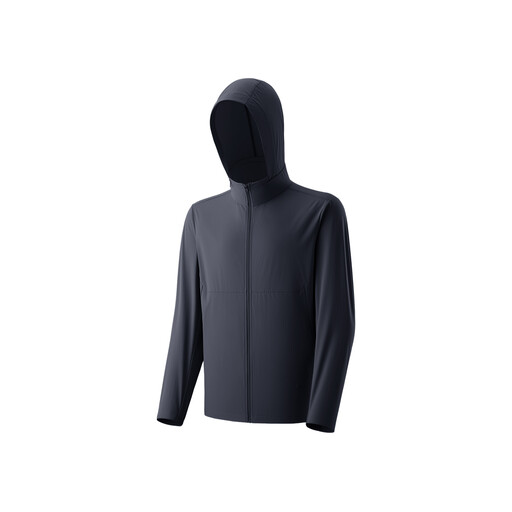
Why It Stands Out: This jacket prioritises sun safety without compromising on performance. According to the brand, its fabric technology offers a UPF 100+ rating, blocking over 99% of UV rays. It combines this with practical design elements like targeted ventilation zones and a stowaway hood, making it highly adaptable.
Pros:
Who is it for? This jacket is an excellent choice for hikers, trail runners and cyclists who are often exposed to direct sun and need a lightweight, breathable layer that offers serious UV protection.

Why It Stands Out: While not a waterproof shell, this fleece serves as a superb mid-layer or a standalone jacket in dry, cool conditions. Its key feature is the anti-static treatment, which prevents the material from clinging to other layers—a common annoyance with synthetic fabrics.
Pros:
Who is it for? Ideal for those seeking a versatile insulating layer for hiking, camping or daily use. It is perfect for layering under a waterproof shell on cold, wet days or wearing on its own during crisp, dry autumn walks.

Why It Stands Out: A good jacket protects your body, but your eyes need protection too. The Revoray cycling glasses are built for performance, with an aerodynamic design that reduces wind resistance and a large, one-piece lens that provides an unobstructed field of view and impact protection.
Pros:
Who is it for? Primarily for cyclists, but also highly suitable for runners and other outdoor athletes who need reliable protection from sun, wind and debris without compromising on visibility or comfort.
A technical jacket is a functional necessity, but completing your outdoor kit with the right accessories can elevate your comfort and style. If you are looking to upgrade other parts of your gear, from stylish bags to functional headwear, you can explore a wider collection.
Discover more in our selection of men's designer accessories.
For typical UK conditions, which can include persistent rain, a hydrostatic head (HH) rating of at least 10,000mm is recommended for reliable waterproofing. For more extreme weather or multi-day treks in mountainous regions, consider jackets with 15,000mm to 20,000mm ratings.
Not necessarily. Windproof jackets are designed to block wind, but they may only be water-resistant (able to handle light showers). A fully waterproof jacket, which typically has taped seams and a waterproof membrane, will also be inherently windproof. Always check the product specifications for both features if you need protection from rain and wind.
UPF stands for Ultraviolet Protection Factor. It measures how much UV radiation (both UVA and UVB) a fabric allows to reach your skin. A fabric with a UPF of 50, for example, blocks 98% of the sun's rays. This is an important feature for any activity involving prolonged sun exposure, such as summer hiking, climbing or watersports.