
24/7 全天候客户支持

免费退货

当日/次日达

品质保障

开启新人专享福利: 全场免邮 | 低至 2 折 | 免费试用 30 天 JoyPlus 会员
下载 Joybuy
Finding the right pair of men's outdoor shoes can feel like a challenge. Whether you are pounding the pavements on a morning run, tackling a rugged trail in the Brecon Beacons, or exploring a rocky coastline, the footwear you choose is fundamental to your comfort, performance and safety. With so many specialised options available, it is easy to feel overwhelmed by technical jargon and marketing claims.
This guide is designed to cut through the clutter. We will outline key features to look for based on your intended activity and provide clear, practical information to help you select the right performance footwear for your needs.
Before looking at specific models, it helps to understand what makes a shoe suitable for a particular environment. Consider these factors when making your choice.
The surface you will be on is the most important factor. Cushioned trainers are engineered for hard, even surfaces like roads and pavements, prioritising shock absorption to protect your joints. In contrast, all-terrain trekking shoes and hiking boots feature stiffer soles and aggressive lug patterns for grip on mud, rock and loose ground. Using a road running shoe on a mountain path will not only wear it out quickly but also fails to provide the necessary stability and protection.
The UK's unpredictable weather makes waterproofing a key consideration. Waterproof hiking boots often incorporate a membrane lining that blocks water from entering while allowing sweat to escape, keeping your feet dry from both rain and perspiration. However, for activities like canyoning or coasteering, you might prefer quick-drying walking shoes. These are designed to let water drain out rapidly, preventing them from becoming heavy and waterlogged.
A proper fit prevents blisters and provides stability. Pay close attention to sizing charts, as they can differ between brands. For activities like long-distance running, look for features like a secure fit system and responsive cushioning to reduce fatigue. Lacing is also crucial; while standard ties offer classic adjustability, modern quick-lace systems allow for rapid, one-handed adjustments, which is a significant advantage when your hands are cold or you are wearing gloves.
Here are our recommendations for men who need reliable, high-performance footwear for specific outdoor pursuits.
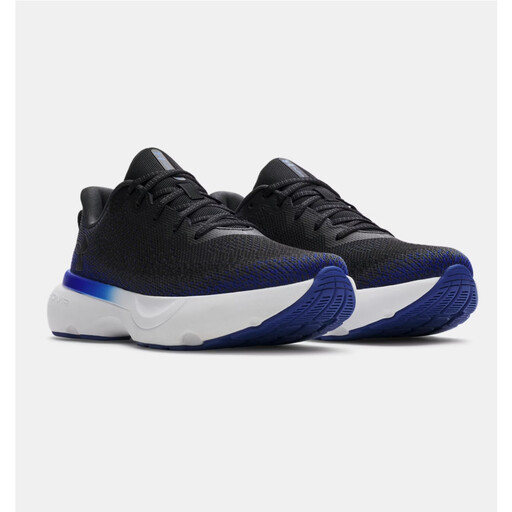
Under Armour Infinite Men's Running Shoes - Black/Royal
Why It Stands Out: These men's running shoes are built for endurance. The design centres around the brand's UA HOVR cushioning, which is engineered to absorb impact and provide energy return, helping your legs feel fresher for longer. Weighing just 9.8 ounces with an 8mm offset, they promote a natural gait while offering a balance of ground-feel and cushioning.
Pros:
Who is it for? This shoe is an excellent choice for runners who primarily train on roads or treadmills and are looking for a reliable, cushioned trainer for daily mileage and long-distance efforts.
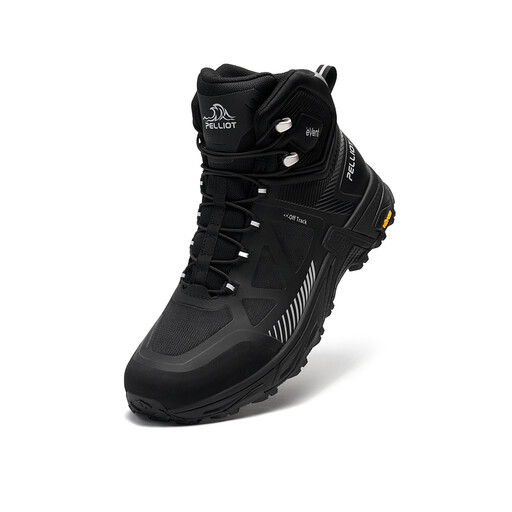
Why It Stands Out: Engineered for challenging conditions, these waterproof hiking boots combine robust protection with advanced features. The aggressive lug pattern on the outsole delivers dependable grip on wet rock and muddy slopes. A waterproof and breathable membrane keeps feet dry, while the abrasion-resistant upper and protective toe cap shield you from scree and trail debris. The upgraded Fitgo Quick-Lace System allows for precise, one-handed adjustments on the move.
Pros:
Who is it for? Ideal for serious hikers and backpackers who require durable, supportive and waterproof footwear for tackling technical trails and unpredictable British weather.
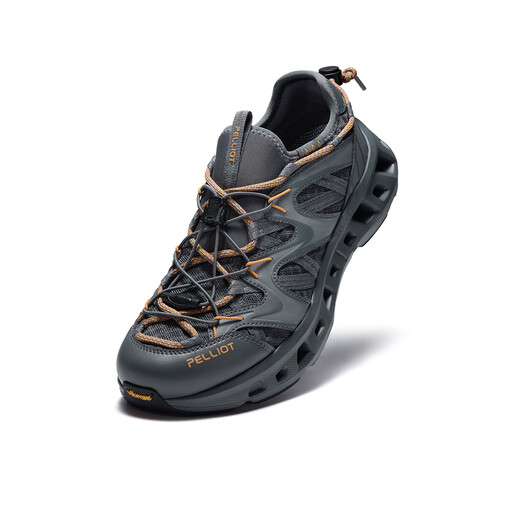
PELLIOT Water Shoes for Men Mountain Trekking All-Terrain Grip – Quick-Drying & Grippy, Dark Gray
Why It Stands Out: These are true amphibious shoes, designed to perform equally well in and out of the water. The standout feature is the combination of a Vibram Megagrip outsole for exceptional traction on wet surfaces and a rapid drainage system. Micro-perforations and outsole ports expel water and sand almost instantly, keeping the shoes light. At just 352g per shoe, this ultra-lightweight design reduces fatigue during long treks that involve river crossings or coastal exploration.
Pros:
Who is it for? Perfect for those who enjoy kayaking, gorge scrambling, coasteering or any activity where you are constantly moving between wet and dry environments. These are the ultimate quick-drying walking shoes.
The recommendations above cover specific needs, but the world of outdoor footwear is vast. If your activities are heavily focused on waterside adventures or you simply want to browse a wider selection of amphibious footwear, you can explore our full range.
Discover more in our collection of men's water shoes.
1. Can I use men's running shoes for hiking? While it might be tempting for a short walk on a well-maintained path, it is generally not recommended. Running shoes lack the ankle support, sole rigidity and durable upper needed for uneven, rocky terrain. All-terrain trekking shoes or hiking boots provide far better protection, stability and grip, reducing the risk of slips or injury.
2. What is the difference between waterproof and water-resistant shoes? Waterproof footwear uses a built-in membrane (like a liner) that completely blocks water from getting in, making it ideal for prolonged exposure to rain or wet ground. Water-resistant shoes are treated with a coating that repels light moisture but will eventually soak through in heavier rain. For activities like wading, men's water shoes are often a better choice, as they are designed to drain quickly rather than block water out.
3. How do I find the right size for outdoor shoes online? The most reliable method is to measure your foot length in millimetres or centimetres and compare it to the brand's specific size chart, which is usually provided on the product page. For hiking boots, consider that you might be wearing thicker socks, so if you are between sizes, it is often wise to go up a size. Always check the fit information for each model.