
24/7 全天候客户支持

免费退货

当日/次日达

品质保障

开启新人专享福利: 全场免邮 | 低至 2 折 | 免费试用 30 天 JoyPlus 会员
下载 Joybuy
Finding the right pair of men's running shoes can feel like a marathon in itself. With endless options, technical jargon and varying advice, it’s easy to feel lost. Are you running on pavements, trails or a bit of both? Do you need maximum cushioning for long distances or a lightweight, responsive feel for speed?
As the Joybuy Product Recommendation Officer, my role is to help you cut through the clutter. This guide offers practical advice and highlights a few standout options to help you find a shoe that matches your running style and goals, ensuring your next run is your most comfortable yet.
Before we look at specific models, let's cover a few key factors. Getting these right is crucial for comfort, performance and injury prevention.
Where you run most often dictates the type of shoe you need.
Cushioning is about shock absorption and comfort. Midsoles are often made from EVA foam or similar materials that compress and rebound with each step.
A long run generates a lot of heat. Breathable running shoes, usually featuring a mesh or knit upper, allow air to circulate, keeping your feet cooler and drier. This helps prevent blisters and general discomfort, especially during warmer months or intense workouts.
Based on their features and intended use, here are a few recommendations to consider for your next purchase.
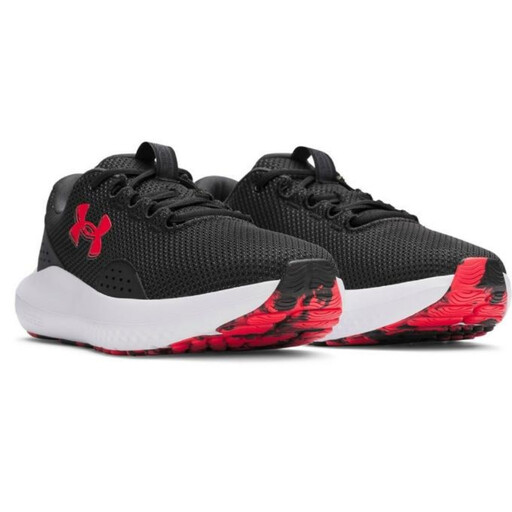
Why It Stands Out: The UA Surge 4 is a fantastic all-rounder that balances performance and everyday style. Its lightweight design and responsive midsole make it agile enough for morning jogs, while the sleek black running shoes aesthetic means it won't look out of place on a casual weekend.
Pros:
Who is it for?: Ideal for beginner to intermediate runners, gym-goers or anyone seeking a versatile and comfortable shoe for daily jogs and casual wear.
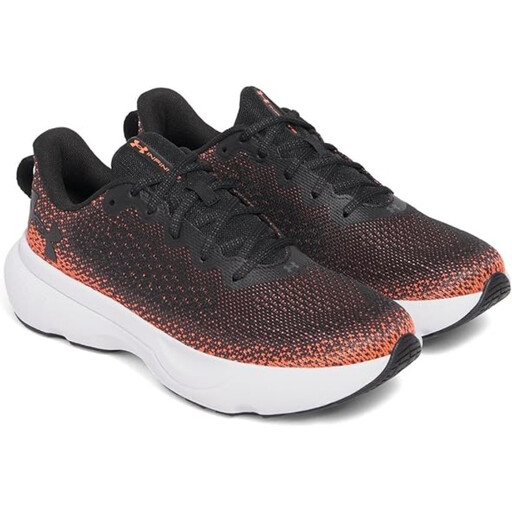
Why It Stands Out: For the runner looking to step up their performance, the Infinite from Under Armour running shoes offers advanced technology. The UA HOVR cushioning system is engineered to reduce impact and return energy, helping to propel you forward and keep your legs feeling fresher for longer.
Pros:
Who is it for?: A great choice for intermediate to dedicated road runners who prioritise energy return and long-distance comfort in a neutral shoe.
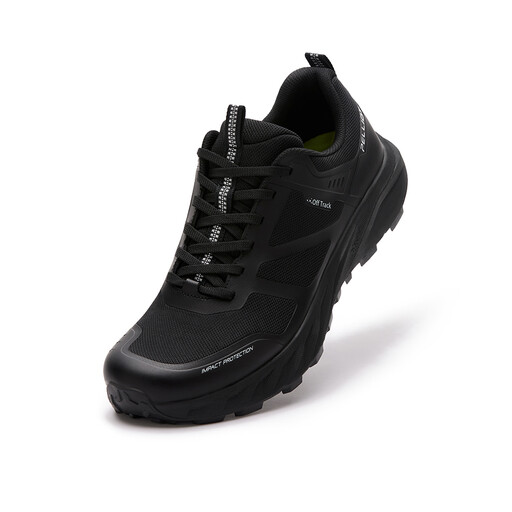
Why It Stands Out: This shoe is built for adventure. Engineered for road-to-trail transitions, it combines the lightweight feel of a road shoe with the rugged durability of a trail runner. The ROCKYTEC outsole provides confident grip on varied surfaces, from wet rocks to muddy paths.
Pros:
Who is it for?: The perfect companion for runners who mix up their routes between city pavements and country trails and need a single, durable shoe that can handle it all.
While these three cover a range of needs, we know every runner is different. A classic pair of black running shoes is a staple in any athlete's wardrobe for its versatility and timeless style.
If you're looking for a different fit, style or feature set, explore our full collection of black men's running shoes to find your perfect match.
A general guideline is to replace your running shoes every 300 to 500 miles. However, this can vary based on your running style, body weight and the surfaces you run on. A better indicator is to look for signs of wear: if the midsole feels firm and compressed, the outsole tread is worn flat or you start feeling new aches and pains, it's likely time for a new pair.
While you can for very light, well-groomed trails, it is not generally recommended. Road running shoes lack the deep lugs needed for grip on mud, loose dirt or wet rocks, increasing your risk of slipping. Furthermore, trail running shoes offer better foot protection and durability to withstand the harsher environment.
This relates to pronation, which is the natural inward roll of your foot as it strikes the ground.