
24/7 Customer Support

Free returns

Same-day & Next-day Delivery

Quality Guaranteed

Unlock Your Welcome Offers: FREE Delivery | Up to 80% OFF | Free 30-day JoyPlus trial
Download the APP
Finding the right pair of men's running shoes can feel like navigating a minefield of marketing jargon and technical specifications. With so many options available, it is easy to end up with a pair that looks great but falls short on performance, or worse, leads to discomfort. As a Joybuy Product Recommendation Officer, my role is to help you sidestep the common pitfalls and focus on what truly matters for your runs.
Many shoppers fall into a few common traps. First is the belief that maximum cushioning is always better. While plush soles can feel comfortable initially, overly soft shoes can lack the responsiveness needed for an efficient stride and may even feel unstable. Second is prioritising style over substance, particularly with the upper material. A trendy but non-breathable shoe can quickly turn a pleasant jog into a sweaty, blister-prone ordeal. Finally, many overlook the importance of a shoe's fundamental structure, choosing a model that doesn’t match their natural running motion.
This guide will break down the essential features to look for, helping you invest in comfortable running shoes that support your goals, whether you're a casual jogger or a dedicated marathoner.
Before you add any pair to your basket, it is crucial to understand three key components. Getting these right will make all the difference to your comfort and performance.
The midsole is the layer of foam between the sole that touches the ground and your foot. It is responsible for both cushioning and energy return.
A good pair of cushioned running shoes for men will offer a blend of both properties, providing protection without sacrificing an energetic feel.
The upper is the fabric part of the shoe that encases your foot. Its primary job is to be secure, comfortable and breathable.
Running shoes are generally categorised as either 'neutral' or 'stability'.
Unless you know you overpronate, a neutral shoe is typically the most appropriate starting point.
To help you connect these features to real-world use, here are a few recommendations matched to different types of runners.
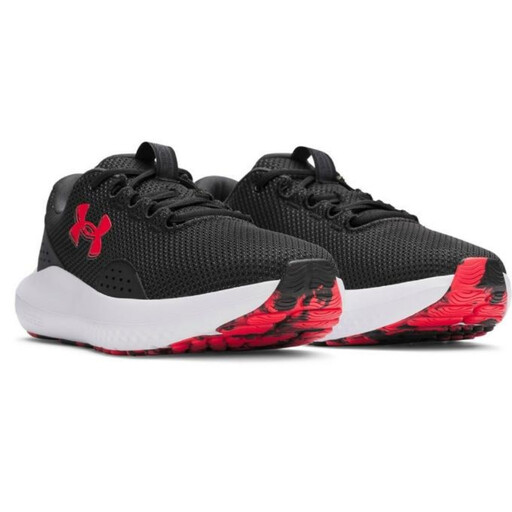
Why This Fits Their Persona: This shoe is a true all-rounder, ideal for the man who mixes 5k jogs with gym sessions and weekend walks. It's built for versatility, providing the right amount of comfort for daily activities without being overly specialised.
It sidesteps the "style over substance" trap with a functional, breathable mesh upper that prioritises airflow. The responsive midsole offers balanced cushioning, avoiding the sluggish feel of overly soft shoes.
Its lightweight, low-profile design keeps you feeling agile, while the durable rubber outsole provides reliable traction for both road and gym floors.
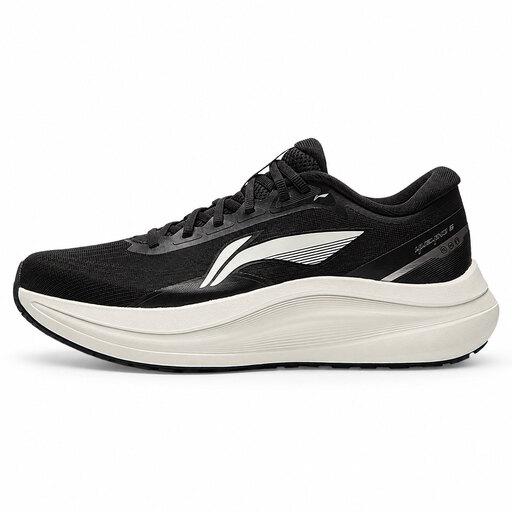
Why This Fits Their Persona: For the runner logging serious mileage, this shoe focuses on advanced cushioning and stability. It's engineered to reduce fatigue and impact stress over long distances, making it a strong candidate for half-marathon or marathon training.
It avoids the "more cushioning is better" myth by using a full-length Tempo Bounce midsole engineered for a precise cushioning-to-rebound ratio. It also incorporates PROBAR LOC support, directly addressing the need for stability often overlooked by casual buyers.
The widened heel and supportive structure help distribute pressure and improve landing stability. A wide toe box and plush padding ensure a non-constrictive fit for lasting comfort.

Why This Fits Their Persona: This shoe is an excellent entry point for new runners or those seeking a reliable, no-fuss option. It delivers core performance technologies, like responsive cushioning and a breathable upper, without the premium price tag of more specialised models.
It provides access to proven technology, such as the brand's Charged Cushioning midsole, ensuring you get genuine performance features rather than just a basic trainer. This focus on functional tech avoids the trap of buying a shoe that only looks the part.
It offers a great balance of durability and comfort, with leather overlays for support and a solid rubber outsole in high-impact zones. It's a durable and dependable choice for building a running routine.
We have compiled a complete, real-time list of products that fully satisfy these strict selection criteria and UK safety regulations.
A general guideline is to replace your running shoes every 300 to 500 miles (or 500 to 800 kilometres). However, this can vary based on your running style, body weight and the surfaces you run on. A clear sign it's time for a new pair is when the midsole feels flat and less responsive, or when you notice significant wear on the outsole tread.
Yes, for most general gym activities like using the treadmill, elliptical or light weight training, road running shoes are perfectly suitable. Their cushioning and support work well for these exercises. However, for heavy lifting or activities requiring a lot of lateral movement, you might prefer a more stable, flatter training shoe.
Neutral running shoes are designed for runners whose feet don't roll excessively inward or outward when they land. They provide cushioning and flexibility without interfering with the natural motion of the foot. Supportive running shoes (or stability shoes) have features to help guide the foot and limit excess inward rolling (overpronation). Most runners have a neutral gait, making neutral shoes the most common and versatile choice.