
24/7 全天候客户支持

免费退货

当日/次日达

品质保障

开启新人专享福利: 全场免邮 | 低至 2 折 | 免费试用 30 天 JoyPlus 会员
下载 Joybuy
Choosing men’s running shoes is not simply a matter of picking a familiar logo or the softest-looking sole. UK shoppers often use one pair for commuting, park runs, gym sessions and weekend walks, so the wrong design can quickly become uncomfortable or unsuitable.
The main traps are easy to miss:
A more reliable approach is to match the shoe’s construction to where and how you plan to wear it.
For UK training, breathable running shoes can be useful during indoor workouts, summer runs and longer sessions. Mesh or engineered mesh allows more airflow than dense synthetic panels, while woven sections or overlays can improve structure.
Look for:
A breathable upper does not mean a shoe is waterproof. If you regularly run in heavy rain, check whether the product specifically includes a water-resistant membrane. Otherwise, prioritise ventilation and allow the shoes to dry naturally after use.
Cushioned running shoes use foam in the midsole to soften contact with the ground. Responsive cushioning generally refers to foam that compresses and returns towards its original shape during a stride. This can create a springier underfoot feel, but the ideal level depends on personal preference and usage.
Neutral running shoes are designed for runners who want a relatively natural, flexible platform without added structured support features. They can suit everyday training, casual jogging and gym warm-ups, provided the fit feels secure.
Useful details to compare include:
There is no single cushioning measurement that guarantees comfort for every wearer. Try shoes indoors on a clean surface where possible, and check whether your heel remains stable while walking.
Road running shoes usually have flatter rubber sections suited to pavements, tracks and treadmills. Trail running shoes and all-terrain running shoes typically use deeper or more varied tread to improve contact with loose surfaces.
For mixed UK routes, inspect the product description for specific outsole information rather than relying on labels alone. Rubber compounds, abrasion resistance and tread layout can be more useful indicators than a general “outdoor” claim.
If you mainly use shoes for gym training, look for a stable base and dependable rubber contact on indoor flooring. Dedicated gym trainers may be more appropriate for lifting or lateral movements than highly flexible running shoes.
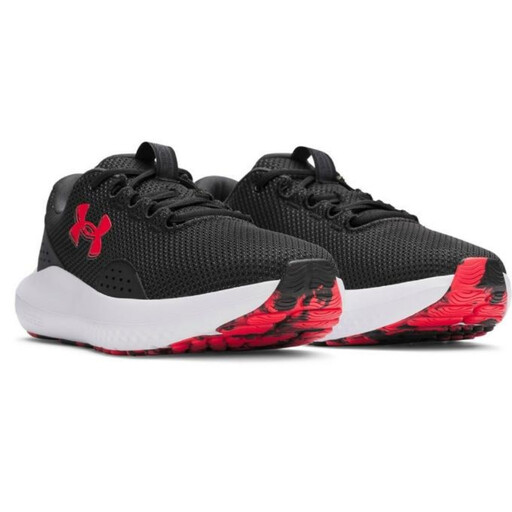
Why This Fits Their Persona: A practical option for someone starting regular jogs, walking around town or adding light cardio to gym sessions.
The breathable mesh upper and rubber outsole address the common pitfalls of poor airflow and limited everyday traction.
Breathable mesh upper, responsive cushioned midsole and low-profile construction.
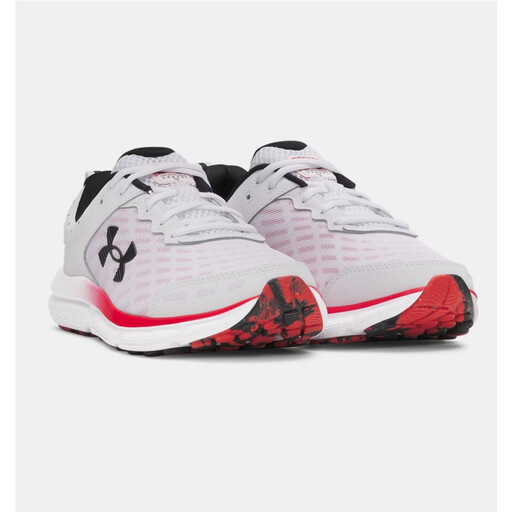
Why This Fits Their Persona: Suits regular road runners who want a neutral shoe with clearly listed construction details for repeated training.
The specification lists the 10mm offset, 9.5-ounce weight, mesh upper and solid rubber outsole rather than relying only on performance language.
Leather overlays add upper reinforcement, while the sockliner and Charged Cushioning midsole provide stated comfort and cushioning features.
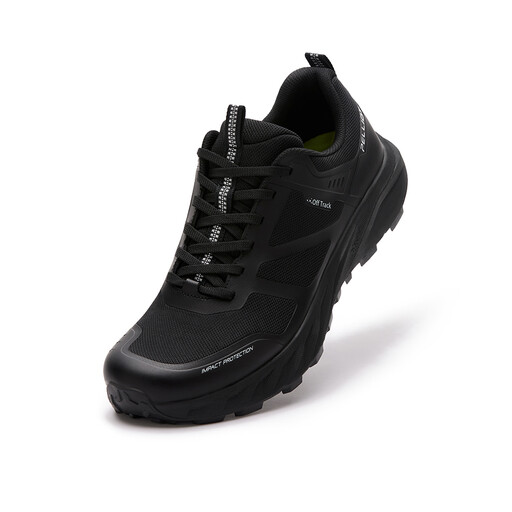
Why This Fits Their Persona: Designed for unisex shoppers moving between pavements, gravel, muddy paths and uneven outdoor routes.
The ROCKYTEC rubber outsole and abrasion-resistant upper are specified for wet rocks, mud, loose sand and contact with trail debris.
High-elastic EVA foam, sandwich mesh and woven fabric upper, plus standard and slim fit versions.
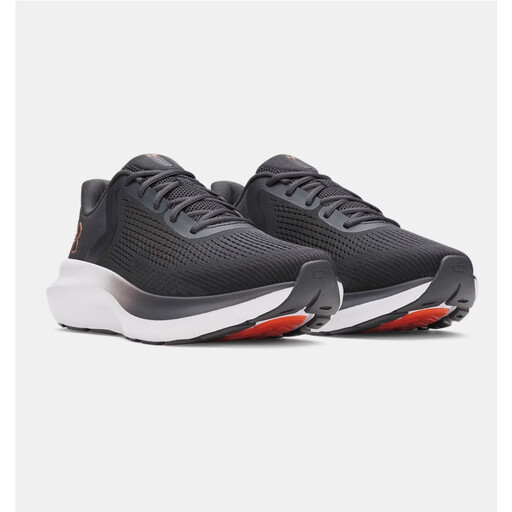
Why This Fits Their Persona: A neutral design for runners combining daily miles with walking, commuting or general activewear.
The full-length engineered mesh, 8mm offset and flexible rubber outsole give shoppers more useful information than a generic “performance” label.
Charged Cushioning midsole, Deluxe Comfort System sockliner and rubber outsole with flexible zones.
We have compiled a complete, real-time list of products that fully satisfy these strict selection criteria and UK safety regulations.
Measure both feet at the end of the day, when they may be slightly larger. Compare the longer foot with the product’s measurement chart and leave a small amount of space beyond the longest toe. Your heel should feel held without tightness, and the laces should secure the midfoot without creating pressure.
For longer service:
A shoe’s lifespan depends on body weight, mileage, surface, gait and care. Calendar age alone is not a reliable replacement guide.
They can be suitable for treadmill work, circuits and warm-ups, particularly when they have a secure fit and rubber outsole. For heavy lifting or frequent side-to-side movement, choose gym trainers with a stable, relatively firm platform rather than a highly soft running sole.
Price does not automatically indicate fit or suitability. Compare the upper, midsole, outsole, size chart and intended surface first. A reasonably priced road shoe may be more suitable than a costly trail model if your routes are mainly pavements.
Inspect condition rather than following a fixed date. Replace them when tread is worn, cushioning feels uneven, the heel counter collapses or the upper develops structural damage. If comfort changes noticeably during ordinary walks or runs, reassess the pair before increasing mileage.