
24/7 Customer Support

Free returns

Same-day & Next-day Delivery

Quality Guaranteed

Unlock Your Welcome Offers: FREE Delivery | Up to 80% OFF | Free 30-day JoyPlus trial
Download the APP
Buying men’s running shoes can look simple until you compare cushioning systems, upper materials, heel offsets and fit descriptions. Marketing often focuses on energetic language, but the details that affect daily comfort are usually less dramatic.
For UK runners, the right choice should reflect how and where you use your shoes: pavement running, treadmill sessions, gym training, walking or casual activewear. Here are the main buying traps to avoid, followed by practical specifications and our top recommendations.
A sleek black trainer may work well with jeans and gym clothing, but style alone does not indicate whether it suits repeated road running. Casual trainers can have cushioning, yet lack the flexible construction or outsole pattern needed for a comfortable running stride.
Before buying, identify your main activity. Road running generally calls for lightweight construction, breathable uppers and a flexible outsole. Gym sessions may require a more stable base, while trail routes need deeper, more aggressive grip.
More cushioning is not automatically more comfortable. A highly padded shoe may feel soft at first but can be less suitable if you prefer a closer, more flexible ride. Conversely, minimal cushioning may feel firm during longer runs or extended walks.
Neutral runners should look for a sensible balance between flexibility and cushioning. Check the midsole material, heel-to-toe offset and intended use rather than relying on broad claims such as “cloud-like” or “ultimate comfort”.
A mesh upper can improve airflow, but it does not make a shoe waterproof. Similarly, a rubber outsole can provide useful grip, but performance varies with tread design, surface condition and wear. Wet pavements, mud and polished gym floors each place different demands on the outsole.
Look for specific construction details, including engineered mesh, rubber outsole coverage and visible flex zones. These are more useful indicators than vague statements about all-weather performance.
Running shoes should hold the heel securely without creating pressure across the midfoot. Allowing a little room around the toes can be useful because feet may expand during longer runs. Measure your foot in centimetres and compare it with the product’s own size chart, rather than relying only on your usual high-street size.
UK sizing can vary between brands and models. For example, several Under Armour men’s running shoes list UK, US, European and foot-length measurements. Check the available size range carefully, particularly if you need a half size or a wider fit.
For daily runs and indoor training, breathable running shoes can help reduce heat build-up. Full-length engineered mesh, sandwich mesh and woven textile uppers are designed to allow airflow while keeping the shoe relatively light.
Leather or synthetic overlays may add structure and abrasion resistance, but can reduce flexibility in some areas. If you prioritise a lightweight feel, check how much of the upper is mesh and whether overlays are placed only in high-wear zones.
The midsole affects how the shoe feels underfoot. Responsive foams are designed to return energy during movement, while softer cushioning can make walking and easy-paced running feel more forgiving. These descriptions concern the shoe’s ride characteristics and should not be interpreted as medical or injury-prevention claims.
Heel-to-toe offset is another useful comparison. The Under Armour Rogue 5 has an 8mm offset, while the Under Armour Charged Assert 10 lists a 10mm offset. Neither is universally suitable; the difference simply helps you compare the geometry of each model.
A running shoe with a rubber outsole can offer durability and traction on common urban surfaces. Check for solid rubber in high-impact areas and flexible grooves near the forefoot. If you regularly run on muddy or uneven trails, a dedicated trail outsole may be more appropriate than a road shoe.
The following options focus on clearly stated construction features and intended uses. Product availability, colours and sizes may change, so confirm the current listing before ordering.
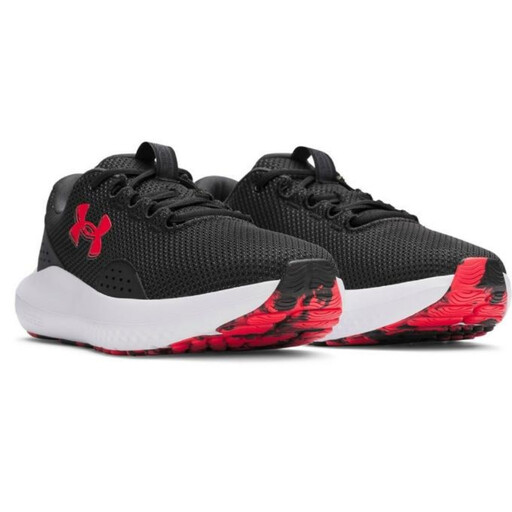
Why This Fits Their Persona: A practical option for those starting regular jogs, gym warm-ups or everyday walking around UK streets.
Its breathable mesh upper, responsive cushioned midsole and rubber outsole provide clearly stated running-focused features rather than relying on appearance alone.
Lightweight low-profile design; outsole specified for pavement, tracks and gym floors.
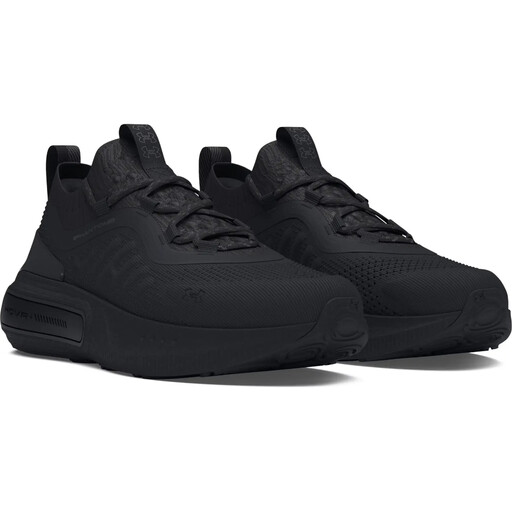
Why This Fits Their Persona: Suits runners wanting a cushioned, structured feel that can move from morning runs to casual activewear.
The listing identifies UA HOVR cushioning, a moulded interior, mesh collar and durable rubber outsole, giving shoppers concrete points to compare.
Moulded soft interior; TPU heel counter and pull tab for practical fit and handling.
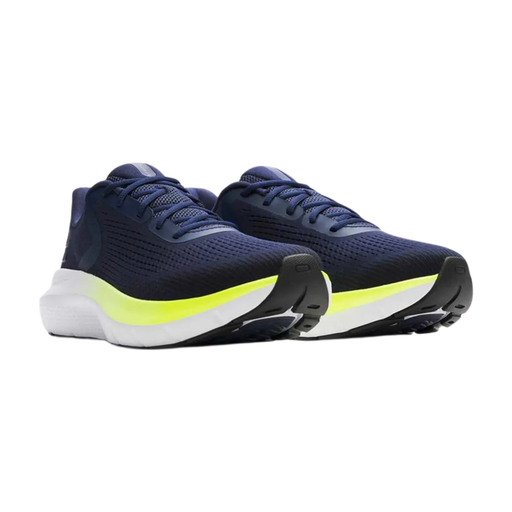
Why This Fits Their Persona: Designed for neutral runners who want a breathable everyday running shoe for road miles, training and walking.
The product specification states a full-length engineered mesh upper, neutral design and 8mm offset, making its intended ride easier to assess.
Charged Cushioning midsole; rubber outsole with flexible zones and at least 20% recycled upper materials.
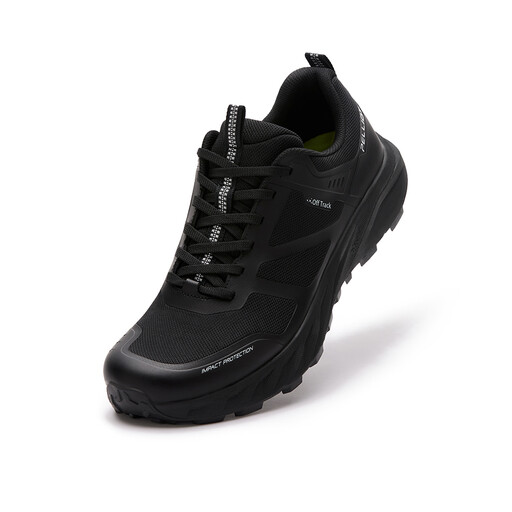
Why This Fits Their Persona: A road-to-trail option for shoppers covering varied surfaces, from urban pavements to uneven paths.
Its description identifies sandwich mesh, EVA foam and a ROCKYTEC rubber outsole, while also stating that fit versions may differ.
High-elastic EVA midsole; outsole specified for wet rocks, mud and loose sand.
We have compiled a complete, real-time list of products that fully satisfy these strict selection criteria and UK safety regulations.
Clean running shoes with a damp cloth and use a soft brush for outsole dirt. Let them air-dry naturally, away from radiators and direct heat. Machine washing, bleach and harsh chemicals can affect adhesives, fabrics and rubber compounds.
There is no universal replacement mileage because lifespan depends on body weight, running surface, frequency and gait. Instead, inspect the outsole for worn tread, the midsole for permanent compression and the upper for loose stitching. If the shoe feels uneven or no longer provides its original level of comfort, compare a replacement pair before increasing your training load.
Your heel should remain secure when laced, with no painful pressure across the midfoot. Leave enough toe room to avoid contact with the front of the shoe. Measure both feet and use the larger measurement against the listing’s size chart.
Many men’s training shoes and running shoes work for warm-ups, treadmill sessions and general gym use. However, runners with tall, soft midsoles may feel less stable during heavy lifting or rapid side-to-side movements. Choose a flatter, more stable design for strength-focused sessions.
Set your budget after deciding how frequently you will use the shoes and which features are non-negotiable. Daily runners may benefit from prioritising fit, cushioning and outsole durability, while occasional walkers may prefer a lightweight, versatile pair. Compare measurable specifications and current sizing before focusing on price alone.