
24/7 Customer Support

Free returns

Same-day & Next-day Delivery

Quality Guaranteed

Unlock Your Welcome Offers: FREE Delivery | Up to 80% OFF | Free 30-day JoyPlus trial
Download the APP
Buying men’s running shoes can look straightforward until you compare cushioning systems, racing plates, upper materials and fit charts. Marketing often focuses on dramatic claims, while the details that affect everyday comfort and durability receive less attention.
For UK runners, the right pair should match your training surface, running style and weekly mileage. A casual pavement runner has different requirements from a marathon trainee or someone looking for HIIT training shoes. Before choosing a colour or brand, check the construction and sizing information carefully.
Black men's trainers are versatile for commuting, gym sessions and everyday wear, but colour does not indicate whether a shoe is suitable for running. A stylish upper may still lack the cushioning, traction or foot security needed for repeated road impact.
Treat appearance as a secondary choice. First confirm whether the shoe is a neutral running shoe or a stability running shoe, then consider the upper, midsole and outsole.
Lightweight running shoes can feel agile during intervals and races, but a very minimal design may not provide the cushioning or structure you prefer for longer training sessions. Conversely, a heavily cushioned shoe may feel less responsive during short, fast workouts.
Look for a practical match between the shoe and your intended use. Daily mileage, pace, body weight, running surface and personal comfort all matter more than a weight claim on a product page.
Terms such as “energy return” describe the intended behaviour of a foam or cushioning system. They do not guarantee a faster pace or prevent discomfort. The sensation depends on your stride, pace, foot shape and how the shoe fits.
A shoe with a responsive midsole can feel useful for long-distance training or racing, but it should still provide secure heel hold and enough forefoot space.
A breathable running shoe can be more comfortable during indoor sessions and warmer-weather road runs. Engineered mesh and knit fabrics generally allow more airflow than dense, non-ventilated uppers. However, ventilation should be balanced with containment.
Check for a secure lace-up system, a structured heel area and an upper that holds the midfoot without creating pressure points. If you regularly run in wet UK weather, remember that breathable mesh is not the same as waterproofing.
The midsole is central to how a shoe feels underfoot. Cushioned running shoes can suit runners who prioritise a softer landing sensation, while firmer or plated designs may feel more direct and responsive.
For marathon training, examine whether the shoe is described for long-distance use and whether the cushioning extends across the full length of the shoe. For faster sessions, a rocker shape, responsive foam or support plate may encourage a smoother transition, although these features can feel unfamiliar at first.
The outsole should have rubber in the areas that contact the ground most frequently, particularly the heel and forefoot. Look for a tread pattern suited to road or mixed outdoor use. No outsole can eliminate slipping on every wet or contaminated surface, so adjust your pace and route conditions accordingly.
For sizing, measure both feet while standing and compare the result with the seller’s chart. Leave a small amount of space beyond the longest toe, especially for long runs when feet may swell. A snug racing fit can suit some runners, while a wider last may be more comfortable for broader feet.
There is no single footwear specification that guarantees suitability for every runner. Check the product information, materials, care instructions, returns terms and any UKCA or CE-related information supplied by the seller where relevant to the product. These markings should not be treated as a substitute for checking fit and intended use.
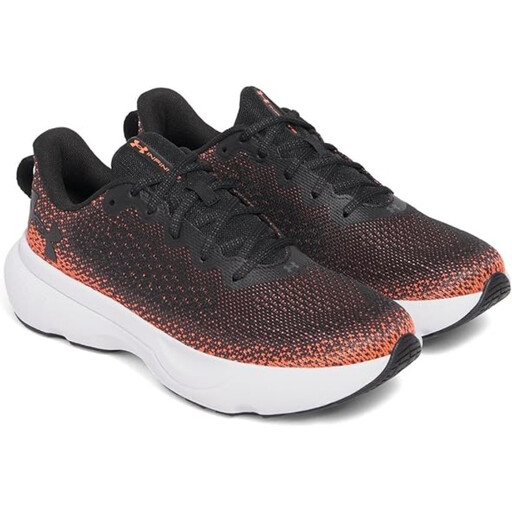
Why This Fits Their Persona: A practical option for runners building a regular road-running routine and wanting one pair for everyday training, walking and gym use in the UK.
Its neutral design makes the intended use clear, while the knit upper and rubber outsole address breathability and everyday traction rather than relying on appearance alone.
UA HOVR cushioning, a Deluxe Comfort System sockliner, breathable knit upper and flexible rubber outsole.
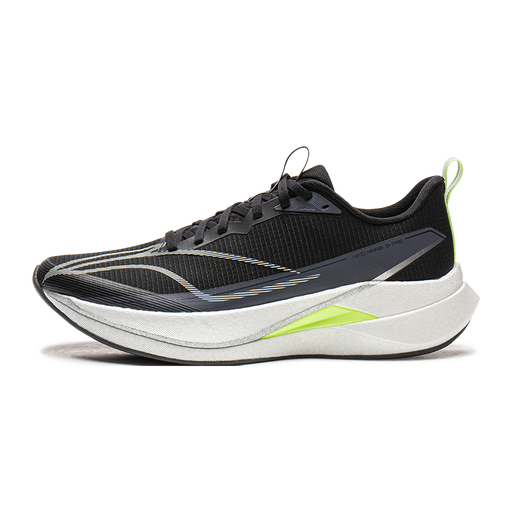
Why This Fits Their Persona: Suits runners who want a roomier platform for daily mileage while retaining features associated with faster road sessions and long-distance racing.
The widened last gives clearer fit information than a generic “performance” label, while the dual-layer midsole and midfoot TPU plate explain its intended balance of cushioning and support.
Dual-layer BOOM foam, breathable BOOM FIBER weave and GCR rubber outsole with a wider platform.
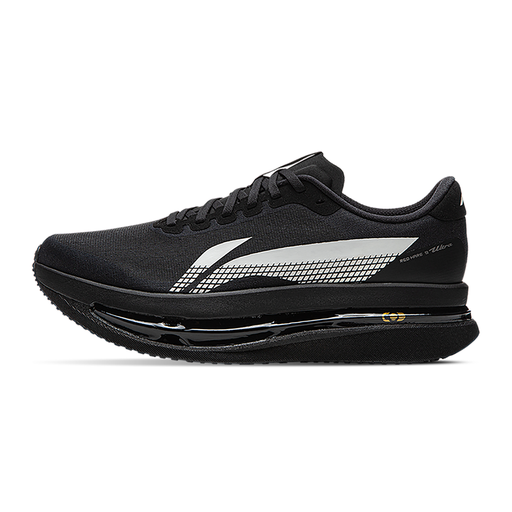
Why This Fits Their Persona: Designed around demanding sessions, this model is worth considering for marathon trainees, competitive racers and runners combining road work with HIIT.
Its listed construction identifies the support plate, triple-layer midsole, dynamic wrap and GCU outsole, allowing shoppers to assess the design instead of relying on vague racing language.
Triple BOOM midsole system, glass-fibre support plate, breathable mesh upper and high-abrasion GCU outsole.
Lifespan depends on mileage, runner weight, running surface, storage and construction. Rather than relying only on a fixed mileage figure, inspect the outsole for worn tread, the midsole for permanent compression and the upper for stretching or tearing. If cushioning feels noticeably flatter or your usual fit changes, compare the shoe with a new pair before increasing training volume.
Neutral running shoes are designed around a standard cushioning and flexibility profile, while stability running shoes include additional structural features intended to guide or steady the foot. Neither category suits everyone automatically. If you are unsure, prioritise comfort, secure fit and professional advice where needed rather than selecting a shoe solely because of its label.
Some running shoes can handle light gym use, but HIIT often involves lateral movement, pivots and abrupt stops. Racing trainers with a narrow, forward-focused shape may feel less secure during side-to-side exercises. If your training includes frequent agility work, check outsole coverage, upper lockdown and platform stability before using a road-running shoe for every session.