
24/7 Customer Support

Free returns

Same-day & Next-day Delivery

Quality Guaranteed

Unlock Your Welcome Offers: FREE Delivery | Up to 80% OFF | Free 30-day JoyPlus trial
Download the APP
Buying men’s running shoes can look straightforward until you compare cushioning systems, heel drops, tread patterns and sizing charts. A pair that feels comfortable for a short shop visit may become unsuitable on a longer run, while trainers designed for trails can feel heavy and stiff on pavements.
The practical approach is to match the shoe to your main activity, foot shape and preferred level of cushioning rather than relying on promotional language.
A soft midsole can feel comfortable, but cushioning alone does not determine whether a shoe suits your route. Road running usually benefits from a flexible rubber outsole and a smooth transition from heel to toe. Trail running shoes need a more aggressive tread and materials that can cope with mud, stones and damp ground.
Using trail shoes for everyday pavement running may result in a heavier feel, while lightweight running shoes with a shallow tread may lack grip on wet paths.
Neutral running shoes are designed to allow natural foot movement and are commonly selected by runners who do not specifically require additional motion-control features. Supportive running shoes may include a structured heel counter, a broader heel platform or other stabilising elements.
However, a more structured design is not automatically more comfortable. The shoe should hold your heel securely without pressing on the ankle, and the midsole should feel stable when walking and jogging.
A shoe can be the correct length but still feel restrictive across the forefoot. Look for enough room to move your toes, particularly if your feet swell during longer runs. Wide toe box running shoes can be useful for shoppers who prefer more forefoot space, but a roomy fit should not allow the foot to slide inside the shoe.
Try shoes with the socks you normally wear for running. Leave a small amount of space in front of the longest toe, and check that the heel remains secure when walking uphill or changing direction.
The midsole is responsible for much of a shoe’s underfoot feel. EVA foam is widely used because it can provide cushioning while keeping weight manageable. Some products use branded cushioning systems, but the name is less important than how the shoe suits your stride and route.
For regular pavement miles, cushioned running shoes with a responsive midsole can help create a comfortable ride. For gym sessions and casual walking, a lower-profile design may provide a more stable feel during exercises such as weight training.
Breathable running shoes commonly use mesh or woven textile uppers to improve airflow. This is particularly useful during indoor workouts or warmer-weather runs. Leather or synthetic overlays can add structure and abrasion resistance, although they may reduce ventilation in some areas.
Check whether the upper has padding around the tongue and collar, as these areas affect step-in comfort and heel hold. A snug fit should not create pressure points across the top of the foot.
The outsole should match the surfaces you use most. A solid rubber outsole can help with wear resistance on pavements and gym floors. Trail running shoes usually have deeper or zoned lugs for uneven ground, loose soil and wet paths.
Heel-to-toe drop, sometimes called offset, describes the height difference between the heel and forefoot. The Under Armour Charged Assert 10, for example, is listed with a 10 mm offset, while the Under Armour Rogue 5 is listed with an 8 mm offset. These figures are useful for comparison, but they do not indicate that one shoe will suit every runner.
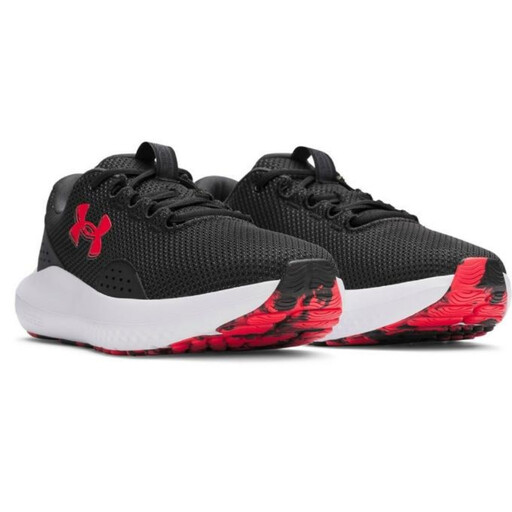
Why This Fits Their Persona: A practical option for new runners who also want trainers for walking, warm-ups and everyday casual wear in the UK.
The breathable mesh upper and cushioned midsole provide clearly described features without relying on an overly specialised trail or stability design.
Lightweight low-profile construction; rubber outsole listed for pavement, track and gym-floor traction.
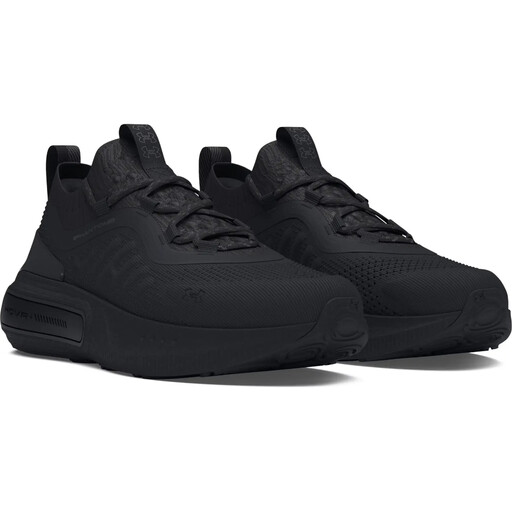
Why This Fits Their Persona: Suits shoppers wanting a polished black design that can move between running sessions and everyday outfits.
Its listed moulded insole, mesh collar and structured heel counter address common concerns about step-in comfort and heel movement.
UA HOVR cushioning; durable rubber outsole and pull tab for convenient use.
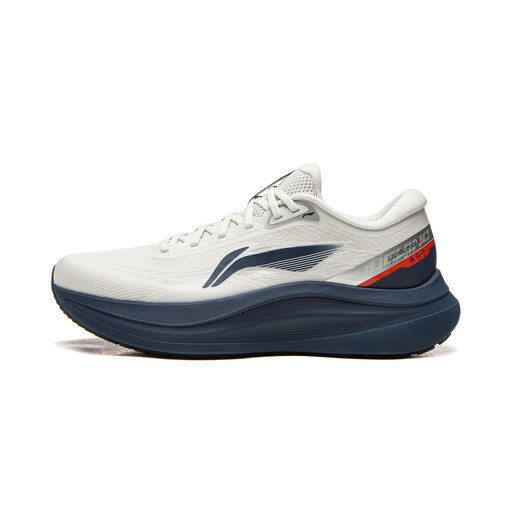
Why This Fits Their Persona: Designed for runners who prioritise forefoot space, cushioning and a more structured feel during outdoor training.
The product listing identifies a wide toe box, widened heel and an option to go half a size up for a roomier fit.
Full-length Tempo Bounce midsole; zoned rubber traction and heel-locking features.
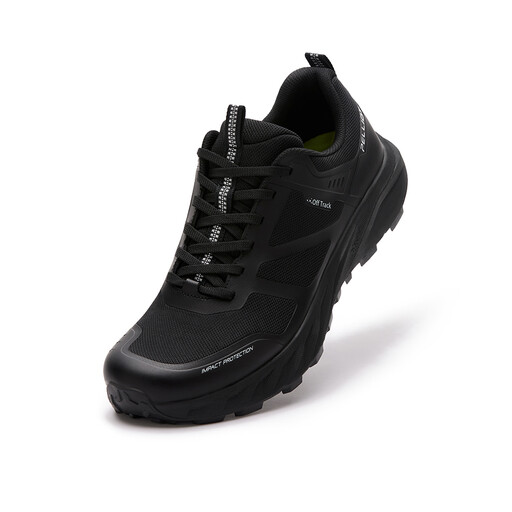
Why This Fits Their Persona: A road-to-trail choice for users who regularly switch between pavements, woodland paths and uneven outdoor ground.
The mesh upper and ROCKYTEC rubber outsole are specified for airflow, abrasion resistance and grip on wet rocks, mud and loose sand.
High-elastic EVA midsole; standard and slim fit versions are listed for different foot shapes.
We have compiled a complete, real-time list of products that fully satisfy these strict selection criteria and UK safety regulations.
Lifespan depends on mileage, body weight, running surface, storage and shoe construction. Instead of relying only on a time period, check for flattened cushioning, uneven outsole wear, damaged mesh or reduced heel stability. If the shoe no longer feels consistent or comfortable, it may be time to replace it.
Yes, many men’s trainers can cover light gym sessions, warm-ups and cardio. For weight training or lateral movements, look for a stable outsole and avoid an excessively tall, soft midsole. Trail shoes may provide unnecessary tread for indoor floors, while highly flexible running shoes may feel less stable during lifting.
They should feel secure rather than tight. Your toes should be able to move, the heel should not lift excessively and there should be no sharp pressure across the forefoot. Compare the brand’s UK sizing chart with your foot measurement, and consider a wider fit or half-size adjustment where the product information recommends it.