
24/7 Customer Support

Free returns

Same-day & Next-day Delivery

Quality Guaranteed

Unlock Your Welcome Offers: FREE Delivery | Up to 80% OFF | Free 30-day JoyPlus trial
Download the APP
Finding the right pair of men's running shoes can feel like navigating a minefield of marketing jargon and technical specifications. With so many options available, it is easy to end up with a pair that looks the part but falls short on performance, comfort or durability. As a Joybuy Product Recommendation Officer, my role is to help you sidestep common purchasing errors and focus on what truly matters for your feet and your fitness goals.
Before you add any pair to your basket, let's look at a few common pitfalls that lead to buyer's remorse.
To make an informed choice, focus on these three non-negotiable parameters. They are the foundation of a good running shoe and will have the biggest impact on your comfort and performance.
The midsole is the engine of the shoe, providing cushioning and stability. The most common material is EVA (Ethylene Vinyl Acetate), a lightweight foam that offers good shock absorption. It is a reliable choice for most casual runners and those seeking cushioned running trainers. Some shoes use denser or more responsive EVA compounds to provide a bouncier feel. Another material, TPU (Thermoplastic Polyurethane), is heavier but more durable and provides a firmer, more responsive ride. The right choice depends on whether you prioritise soft cushioning or a springy, energetic feel underfoot.
A shoe's upper wraps around your foot, providing structure and security. Most modern running shoes use an engineered mesh upper. This material is excellent for creating a balance of support, flexibility and airflow, making them ideal as lightweight running shoes that keep your feet cool. Some uppers are made from a knit fabric, which offers a more sock-like, adaptive fit, though it may provide less side-to-side support compared to a structured mesh. For all-purpose use, including as men's gym shoes, a durable mesh upper is often the most practical option.
The outsole is the rubber layer that makes contact with the ground. For running on UK pavements, which are often damp and uneven, a durable rubber outsole is essential. Look for shoes with high-abrasion rubber placed in key impact zones like the heel and forefoot. The tread pattern also matters; flatter, wider grooves are suitable for road running, while deeper, more aggressive lugs are designed for trails. A solid outsole ensures your shoes last longer and provide reliable traction, whether you are on a morning jog or just looking for comfortable walking shoes.
Instead of a single "best" shoe, the right choice depends on your specific needs. Here are a few options matched to different user profiles.
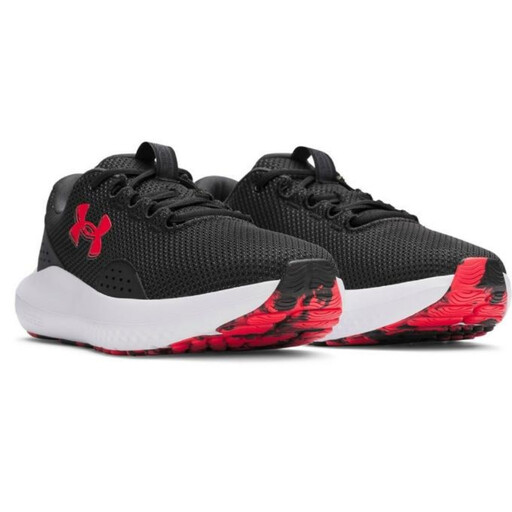
Why This Fits Their Persona: This user needs a reliable, versatile trainer for gym warm-ups, short runs and daily errands. The sleek design of these black trainers for men makes them suitable for both athletic and casual wear, offering great value for someone who wants one shoe for multiple light-duty activities.
It avoids the "do-it-all" deception by being positioned correctly: it is a solid entry-level running shoe that is also lightweight and stable enough for general gym use, rather than claiming to be a specialist in all areas.
Features a breathable mesh upper to keep feet cool and a responsive cushioned midsole that provides a good balance of comfort for walking and light jogging.
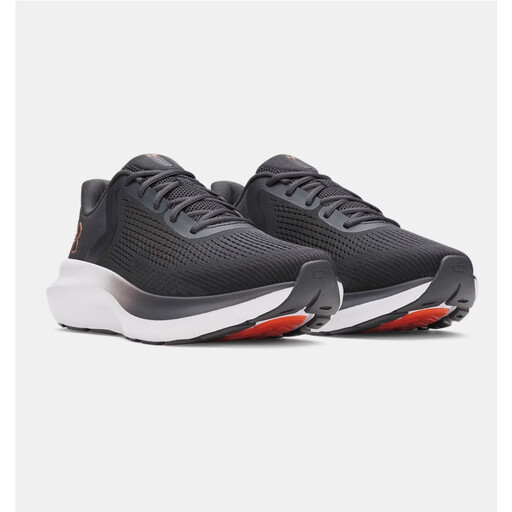
Why This Fits Their Persona: This runner prioritises road-running performance and comfort. They need a shoe with proven cushioning technology and a design that supports a neutral gait over several miles. These Under Armour running shoes are built for exactly that purpose.
It avoids feature hype by focusing on tangible benefits. The Charged Cushioning midsole is designed for impact absorption and responsiveness, while the 8mm offset is a clear, practical specification that helps runners choose the right geometry for their stride.
The Deluxe Comfort System sockliner provides immediate, step-in comfort, and the full-length engineered mesh upper ensures excellent breathability during longer runs.
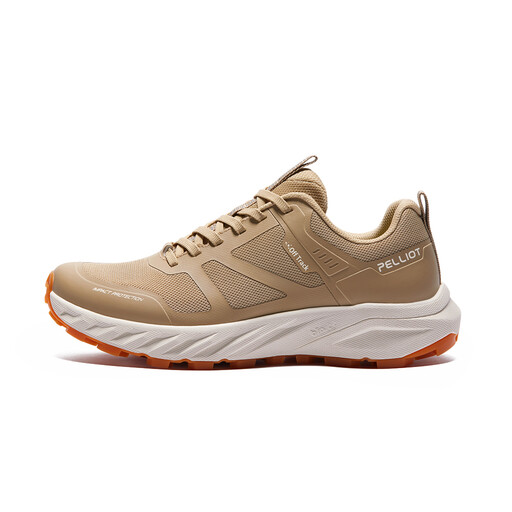
Why This Fits Their Persona: This individual is looking for performance features for long-distance running without a premium price tag. They need a shoe that is both lightweight and highly cushioned to reduce fatigue over many miles.
This shoe focuses on core performance metrics. Instead of marketing hype, it highlights its high-elastic EVA foam midsole for shock absorption and a ROCKYTEC outsole for reliable grip, delivering on the fundamentals needed for distance running.
It is engineered specifically as a pair of lightweight running shoes for long distances, with a breathable sandwich mesh upper and a midsole designed for superior rebound to protect joints on hard surfaces.
We have compiled a complete, real-time list of products that fully satisfy these strict selection criteria and UK safety regulations.
You can, but with some caveats. Running shoes are excellent for treadmill work and general cardio. However, their soft, cushioned soles can feel unstable during heavy lifting exercises like squats or deadlifts, where a flat, firm sole is preferable for stability. For a mixed workout, a versatile, less-cushioned running shoe like the Under Armour Surge 4 is a good compromise.
A general guideline is to replace your running shoes every 300 to 500 miles. However, this can vary based on your weight, running style and the surfaces you run on. A more practical way to check is to look for signs of wear. If the midsole feels firm and unresponsive, or the outsole tread is worn smooth in key areas, it is likely time for a new pair.
Heel-to-toe drop is the height difference between the shoe's heel and forefoot. A higher drop (above 8mm) tends to encourage landing on your heel, which can be suitable for some runners. A lower drop (below 6mm) promotes a midfoot or forefoot strike. There is no "correct" drop; it is a matter of personal comfort and running biomechanics. If you are unsure, a mid-range drop of around 8mm is a safe starting point for most neutral runners.