
24/7 全天候客户支持

免费退货

当日/次日达

品质保障

开启新人专享福利: 全场免邮 | 低至 2 折 | 免费试用 30 天 JoyPlus 会员
下载 Joybuy
As a Joybuy Product Recommendation Officer, my role is to help you navigate the crowded market of men's running shoes. The marketing can be overwhelming, with every brand promising revolutionary technology. However, for serious runners in the UK, a poor choice isn't just a waste of money—it can impact your training and performance. Before you buy your next pair, let's look at the common pitfalls to avoid.
The 3 Traps to Sidestep When Buying Running Shoes:
To make an informed decision, focus on these core technical parameters instead of marketing buzzwords.
The engine of a running shoe is its midsole. Forget generic terms like "soft" and look at the specifics.
Understanding your own biomechanics is key.
The UK's variable weather means you'll inevitably run on wet pavements. The outsole is your point of contact with the ground, and it cannot be an afterthought. Look for shoes with durable rubber compounds (such as GCR - Ground Control Rubber) and a tread pattern designed for reliable traction on wet and dry surfaces. For those who mix road with park paths or light trails, a more versatile trail running shoe outsole might be a consideration.
Based on these practical criteria, here are a few models that align with specific runner profiles.
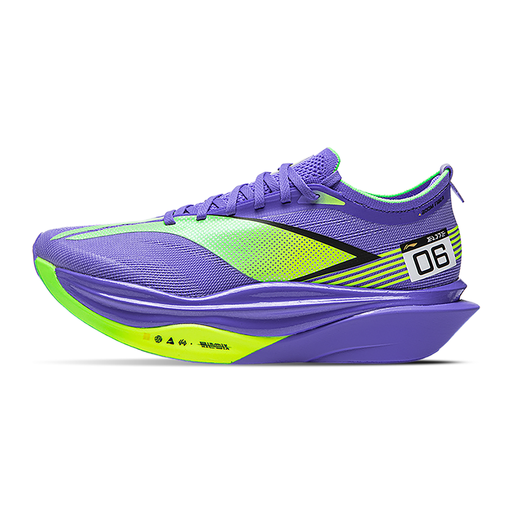
Why This Fits Their Persona: This runner is focused on achieving a personal best in a half or full marathon. They need a shoe that maximises efficiency and energy return on race day. This is a pure performance marathon racing shoe.
It avoids the carbon plate misuse trap by being an unapologetic racing shoe. Its T1000 carbon fibre plate and high-rebound SUPER BOOM midsole are engineered for speed, not daily jogs, making its purpose clear.
Features a full-length carbon plate for maximum propulsion and a highly breathable BOOM FIBRE upper to keep feet cool under pressure. The GCU outsole is designed for reliable grip on wet roads.
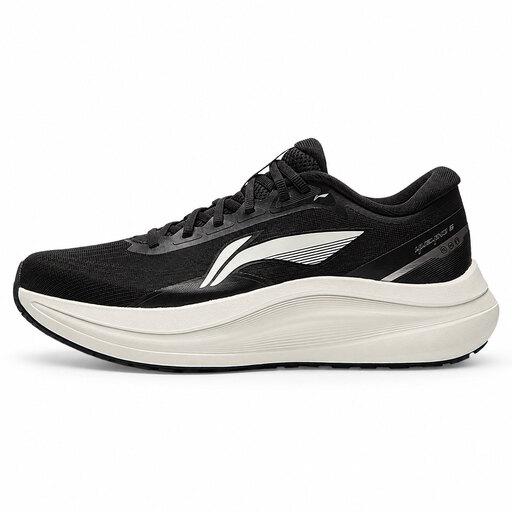
Why This Fits Their Persona: This runner logs consistent miles week in, week out. They need a durable, comfortable workhorse shoe that provides protection and support for long-distance running without feeling overly sluggish.
It sidesteps the "maximum cushion" myth by focusing on an "Optimised Cushioning-to-Bounce Ratio." The full-length Tempo Bounce midsole provides a balanced feel, while the widened heel and PROBAR LOC support add inherent stability.
Offers a combination of balanced cushioning and stability features. The wide toe box and plush padding in the tongue and collar enhance comfort over many miles.
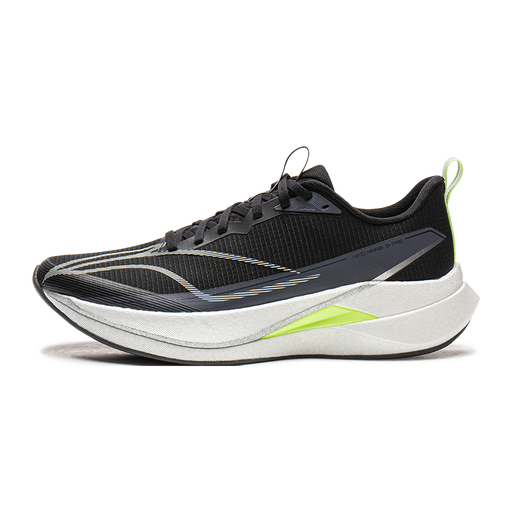
Why This Fits Their Persona: This runner incorporates tempo runs, intervals and regular training into their week. They need a lightweight running trainer that feels fast and responsive but still has enough substance for daily use.
It avoids the "ignored upper" trap with a BOOM FIBRE weave designed for high ventilation. It also balances a dual-layer BOOM midsole for energy return with a widened, stable platform, making it a versatile option rather than a one-trick pony.
A lightweight construction with a responsive, dual-layer foam midsole. The widened platform and midfoot TPU plate provide stability for faster-paced efforts.
We have compiled a complete, real-time list of products that fully satisfy these strict selection criteria and UK safety regulations.
A general guideline for dedicated runners is to replace your shoes every 300 to 500 miles (or 500 to 800 kilometres). However, this varies based on your weight, running style and the surfaces you run on. A more practical indicator is how the shoes feel. If the midsole feels flat and unresponsive, or you start to notice new aches and pains after a run, it's likely time for a new pair. Also, check for significant wear on the outsole tread.
You can, but it's not ideal for long-term use. Trail running shoes have deeper, more aggressive lugs on the outsole for grip on mud and uneven terrain. Using them regularly on pavement will wear down these lugs quickly. The ride can also feel firm and clunky on hard surfaces. For runners who frequently mix terrains, a "road-to-trail" hybrid shoe with less aggressive lugs is a better compromise.
For many amateur runners aiming for a specific race goal, the answer can be yes. The efficiency gains from the combination of a carbon plate and super-foam can help you hold your goal pace for longer, which can make a significant difference in a marathon or half marathon. You don't need to be a professional to benefit. However, they are a race-day investment and should be used strategically alongside a durable daily trainer.