
24/7 Customer Support

Free returns

Same-day & Next-day Delivery

Quality Guaranteed

Unlock Your Welcome Offers: FREE Delivery | Up to 80% OFF | Free 30-day JoyPlus trial
Download the APP
Finding the right pair of men's running shoes can feel like navigating a minefield of marketing jargon and confusing technical specs. Many of us have been there: you buy a promising pair of trainers, only to find them uncomfortable, unsupportive or worn out after just a few months. As a Joybuy Product Recommendation Officer, my role is to help you sidestep these common issues and make a choice that genuinely supports your activity, whether you're a casual jogger or a seasoned marathoner.
Before you spend your hard-earned money, let's look at the most common pitfalls that lead to buyer's remorse.
To avoid these traps, focus on the functional specifications, not just the marketing. Here are the three non-negotiable factors to analyse before you buy.
Understanding your foot's natural motion, or pronation, is crucial. Most runners have a neutral gait, where the foot rolls slightly inward to absorb impact. For this, neutral running shoes for men are ideal, as they offer a balance of flexibility and cushioning without trying to correct your stride. If your foot rolls excessively inward (overpronation), a stability shoe with firmer support on the inner side might be more suitable. Choosing the wrong type can interfere with your natural mechanics.
The midsole is the heart of any running shoe. It dictates comfort, protection and performance.
The shoe's exterior is just as important as its interior.
Instead of a generic list, we've matched specific models to different types of runners. This helps ensure the shoe's features align with your actual needs.
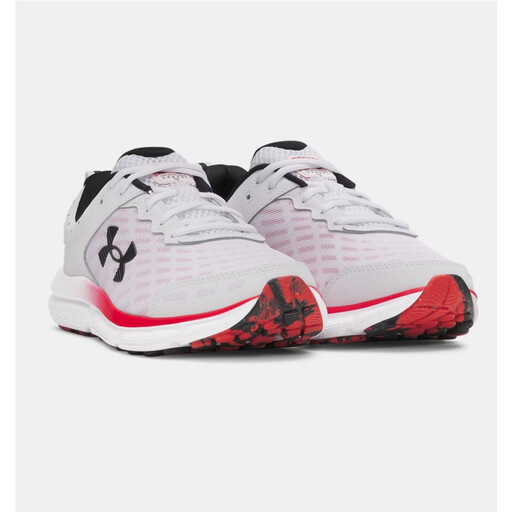
Why This Fits Their Persona: This shoe is a versatile workhorse. It's light enough for a 5k park run but has the responsive cushioning and stability needed for a gym session, making it a practical choice for UK residents who mix their workouts.
It sidesteps the "one-shoe-fits-all" trap by being a dedicated neutral running shoe. The Charged Cushioning midsole offers a significant upgrade over basic foam, providing lasting responsiveness.
Features a lightweight, breathable mesh upper for excellent airflow and a solid rubber outsole focused on high-impact zones for durability without excess weight.
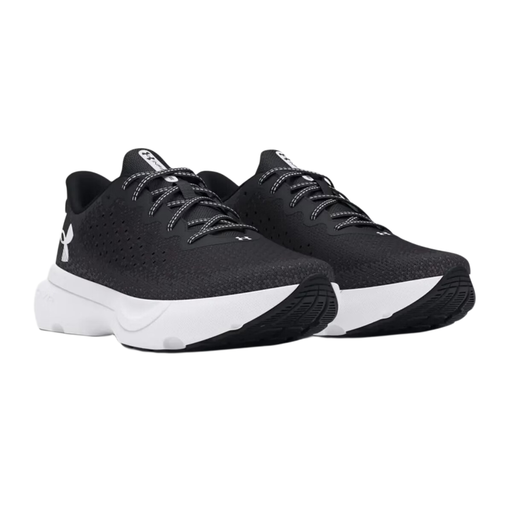
Why This Fits Their Persona: For those logging serious mileage on pavements, comfort and energy return are paramount. This shoe is built for long-distance performance, helping to keep legs feeling fresh, mile after mile.
It directly addresses the midsole myth. The UA HOVR cushioning system is a high-performance foam engineered to reduce impact and provide excellent energy return, outlasting basic EVA foams.
Features an advanced knit upper for targeted breathability and a durable rubber outsole for reliable traction on road running shoes UK surfaces. The Deluxe Comfort System sockliner adds immediate step-in comfort.
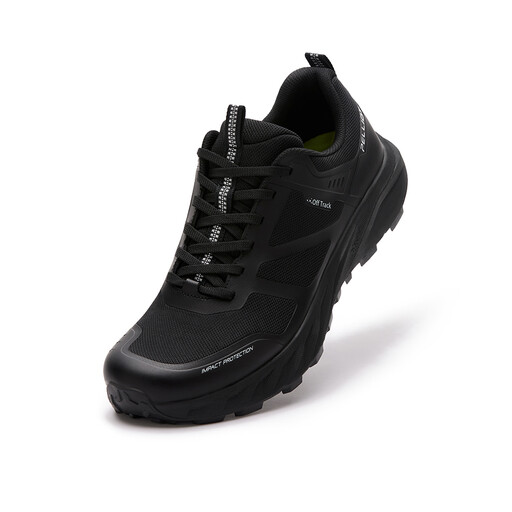
Why This Fits Their Persona: Perfect for the runner whose route includes a mix of park paths, city pavements and light woodland trails. This shoe is engineered for road-to-trail versatility, providing stability and grip across unpredictable surfaces.
This is the antidote to the generic trainer. Its ROCKYTEC outsole is specifically designed for grip on varied terrain like wet rocks and mud, a feature a standard road shoe completely lacks.
The abrasion-resistant upper withstands scratches from branches, while the high-elastic EVA foam midsole provides robust shock absorption on uneven ground. It's a true hybrid performer.
We have compiled a complete, real-time list of products that fully satisfy these strict selection criteria and UK safety regulations.
A general guideline is to replace your running shoes every 300 to 500 miles. However, this depends on your running style, body weight and the surfaces you run on. A more practical way to check is to look for signs of wear. If the cushioning feels flat, the outsole tread is worn down or you start to feel new aches in your feet or knees, it's likely time for a new pair.
The main differences are in the outsole and the upper. Road shoes have flatter, more flexible outsoles made from durable rubber to handle the repetitive impact on pavement. Trail shoes have deeper, more aggressive lugs for grip on dirt, mud and rocks. Their uppers are also typically more rugged and reinforced to protect your feet from debris. Using a road shoe on a technical trail can lead to slips and a lack of protection.
Modern running shoes are designed to be comfortable straight out of the box, so the long "breaking-in" period of old is largely a thing of the past. That said, it's always wise to wear a new pair for a few short runs or walks before tackling a long-distance run. This allows your feet to adapt to the new shoes and helps you identify any potential rubbing or pressure points.