
24/7 Customer Support

Free returns

Same-day & Next-day Delivery

Quality Guaranteed

Unlock Your Welcome Offers: FREE Delivery | Up to 80% OFF | Free 30-day JoyPlus trial
Download the APP
Buying men’s running shoes can seem straightforward until a comfortable-looking pair causes rubbing, feels unstable on wet pavements or loses its cushioning after regular use. Marketing terms such as “energy return”, “impact protection” and “all-terrain grip” can be useful, but only when you understand the construction behind them.
The right choice depends on your running surface, weekly distance, foot shape and preference for cushioning or flexibility. Below, the Joybuy Product Recommendation Officer separates practical features from sales language and highlights suitable options for different runners.
Lightweight running shoes can feel agile, but a lower weight does not automatically mean better comfort or durability. A thin upper may ventilate well but offer less structure, while a lightweight sole may not provide the level of cushioning required for longer runs.
Check the midsole material, outsole coverage and intended use rather than relying on the number on the product page.
Stable running shoes may include a wider base, heel structure or support plate. These features can create a more secure underfoot feel, but they are not a substitute for professional footwear or medical advice.
If a shoe feels restrictive, causes discomfort or changes your natural stride, it is not the right fit, regardless of its stability label.
A standard UK size is not identical across every brand or model. Some shoes have a close performance fit, while others use a widened last or wide-toe-box design. A cramped forefoot can lead to pressure and rubbing, especially when feet swell during longer sessions.
Measure both feet at the end of the day and compare your foot length with the seller’s size chart. Leave enough room for your toes to move without allowing the heel to slip.
Men’s cushioned running shoes generally use EVA-based foam or a proprietary foam compound to absorb repeated loading and provide a responsive transition from heel to toe. Softer cushioning can feel comfortable on pavements, but some runners prefer a firmer, more controlled platform for speedwork.
For example, the Under Armour Infinite uses UA HOVR cushioning, an 8mm offset and a neutral construction. The Under Armour Charged Assert 10 uses Charged Cushioning, a 10mm offset and weighs approximately 9.5 ounces according to its product information. These details offer a more useful comparison than descriptions such as “cloud-like” comfort.
Stable running shoes may feature a broader heel, structured upper, firmer guidance elements or a support plate. The Li-Ning YUEYING 6 includes a widened heel, PROBAR LOC support and HEEL LOC+TUFF RB heel lockdown. These are objective construction details that can help create a secure feel on daily runs.
Neutral running shoes, by contrast, are designed around flexibility and cushioning without dedicated guidance elements. They may suit runners who prefer a less structured ride, but your comfort and natural movement should guide the final decision.
A breathable running trainer is particularly useful for indoor training, summer runs and longer sessions. Mesh or engineered woven uppers allow airflow, although more open materials can be less protective in cold rain.
For UK pavements, look for a rubber outsole with clearly defined traction zones. If you regularly move from tarmac to gravel, woodland paths or muddy sections, consider road-to-trail running shoes with abrasion-resistant uppers and deeper rubber traction. The PELLIOT model below uses a sandwich mesh and woven upper with a ROCKYTEC rubber outsole, making it more suited to mixed terrain than a smooth road-only outsole.
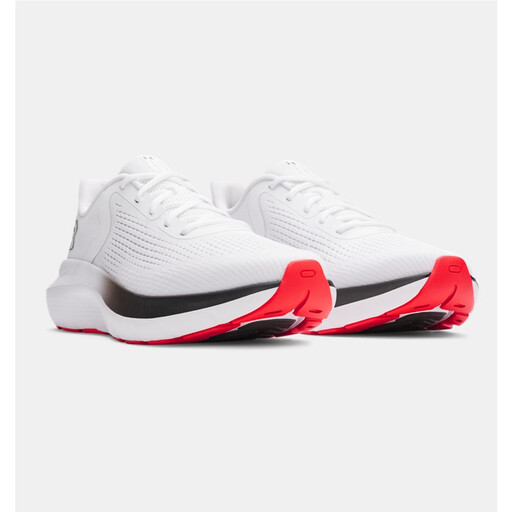
Why This Fits Their Persona: A practical option for new runners, gym users and people combining short pavement runs with everyday wear in the UK.
The product lists a breathable mesh upper, responsive midsole, cushioned insole and durable rubber outsole rather than relying only on lifestyle styling.
Lightweight mesh construction; rubber outsole with multi-surface traction; regular true-to-size fit.
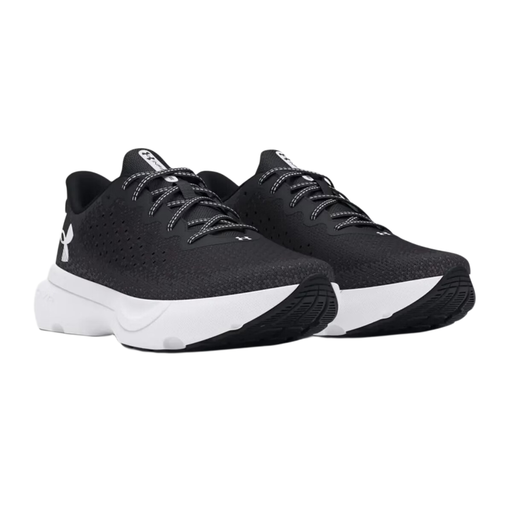
Why This Fits Their Persona: Suited to regular runners who want a neutral shoe for longer training sessions, daily mileage and marathon preparation.
Its neutral design is clearly stated, while the product information also identifies the 8mm offset, knit upper and UA HOVR cushioning system.
Breathable knit upper; Deluxe Comfort System sockliner; durable rubber outsole with flexible forefoot movement.
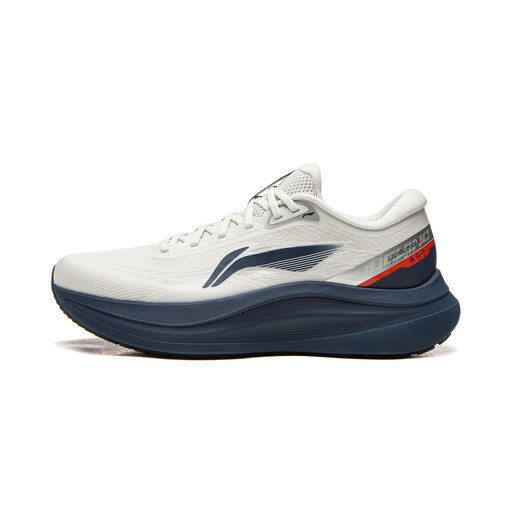
Why This Fits Their Persona: A considered match for runners who prefer more forefoot room, cushioning and a secure heel for everyday outdoor running.
The widened heel, optimised last and wide toe box are specified directly, helping shoppers assess fit beyond the generic word “comfortable”.
Full-length Tempo Bounce midsole; PROBAR LOC support; zoned rubber traction and heel lockdown.
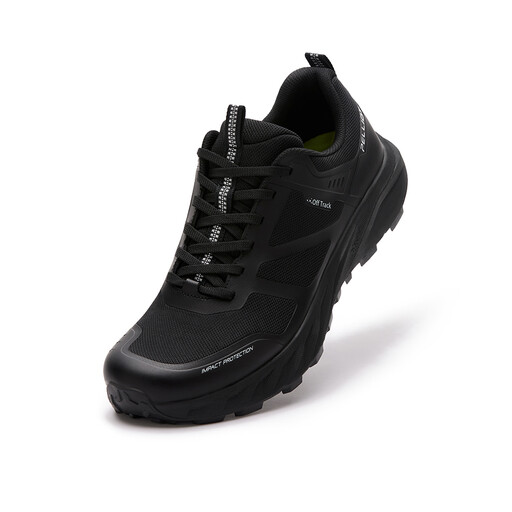
Why This Fits Their Persona: Designed for runners moving between city pavements, gravel, woodland paths and uneven outdoor surfaces.
It specifies ROCKYTEC rubber, abrasion-resistant upper materials and different versions for narrower or standard-width feet.
High-elastic EVA midsole; traction designed for wet rocks, mud and loose sand; lightweight mesh and woven upper.
Try running shoes indoors first, wearing the socks you normally use. Your heel should remain secure when laced, while your toes should not touch the front. Walk, squat and gently jog on the spot to identify pressure points.
For the Li-Ning YUEYING 6, the listed guidance is to choose your usual size, or consider half a size up if you prefer additional toe-box space or thicker socks. Performance-oriented models such as the Li-Ning RED HARE 9 ULTRA may feel closer around the foot, so sizing up can be sensible for a roomier fit.
Keep the shoes clean with a damp cloth and allow them to air-dry away from direct heat. Avoid machine washing unless the product instructions specifically allow it, as heat and harsh detergent can affect foam, adhesives and upper materials.
We have compiled a complete, real-time list of products that fully satisfy these strict selection criteria and UK safety regulations.
There is no universal replacement distance. Lifespan depends on runner weight, surface, mileage, weather and outsole wear. Inspect the tread, midsole creasing and heel structure regularly. Replace a pair when the fit changes, cushioning feels uneven or the outsole no longer provides dependable grip.
Both can be suitable, depending on personal preference and fit. Cushioned running shoes prioritise underfoot padding, while neutral running shoes generally allow a more flexible ride. Choose based on comfort, stability and the surfaces you use rather than the label alone.
They can be, provided they offer enough cushioning, secure fit and outsole durability for your training volume. Compare the shoe’s weight with its midsole construction, upper support and intended use. A racing model may feel responsive, but a daily trainer can be more practical for most training miles.