
24/7 Customer Support

Free returns

Same-day & Next-day Delivery

Quality Guaranteed

Unlock Your Welcome Offers: FREE Delivery | Up to 80% OFF | Free 30-day JoyPlus trial
Download the APP
A good run can be undermined by the wrong gear. While a men's running t-shirt might seem like a simple purchase, many fall into common traps, ending up with a top that chafes, feels heavy with sweat or falls apart after a few washes. As a Joybuy Product Recommendation Officer, my role is to help you see past the marketing claims and focus on what truly matters for comfort and performance. Before you buy your next piece of activewear, be aware of these frequent pitfalls.
To ensure your next men's gym top or running shirt is a sound investment, focus on these core technical parameters.
These terms are often used interchangeably, but they describe different functions. A basic quick dry sports t-shirt is made from a synthetic material that doesn't hold much water. A true moisture wicking t-shirt, however, is engineered to actively pull sweat from your skin to the fabric's outer surface where it can evaporate.
Look for descriptions that mention specific fabric constructions like micro-porous weaves or hollow-core fibres. These indicate a more advanced design intended to create a breathable running top that keeps you drier and more comfortable, especially when worn as a summer fitness top.
The placement and type of seams are critical for preventing chafing. The gold standard is flatlock stitching, where the seam lies completely flat against the fabric, minimising any raised edges that could rub against your skin. Also, check where the seams are located. Well-designed activewear often features offset shoulder and side seams, moving them away from the points of highest friction. The fit should be close enough to wick moisture effectively but not so tight that it restricts movement or breathing.
For running, especially in warmer weather, a lightweight workout shirt is essential. Fabric weight is sometimes measured in GSM (grams per square metre). A t-shirt with a GSM below 120 is generally considered lightweight, with performance-oriented options often falling below 100 GSM. This ensures the men's short sleeve activewear feels almost weightless, reducing drag and improving overall comfort during your workout.
Based on these practical criteria, here are a few options tailored to different types of users.
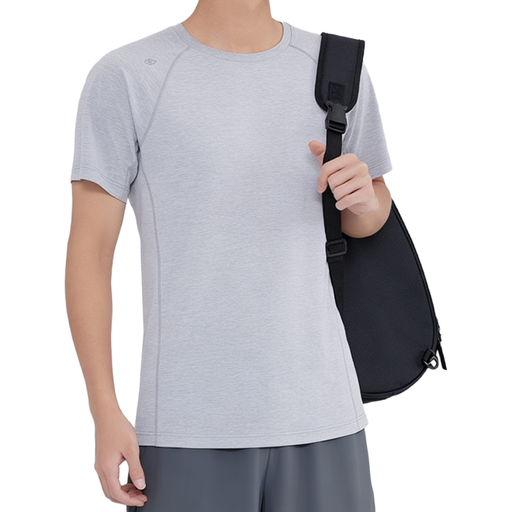
Why This Fits Their Persona: This user needs a reliable, no-fuss top for their regular 5k park runs or weekly gym sessions. They value consistent comfort and durability for frequent use without needing elite-level technical features.
It is made from a functional quick-drying fabric that is genuinely breathable, avoiding the "quick-dry myth" where sweat is trapped against the skin.
Its ultra-light and breathable construction provides reliable comfort for daily exercise. The simple, versatile design is suitable for both sports and casual wear.
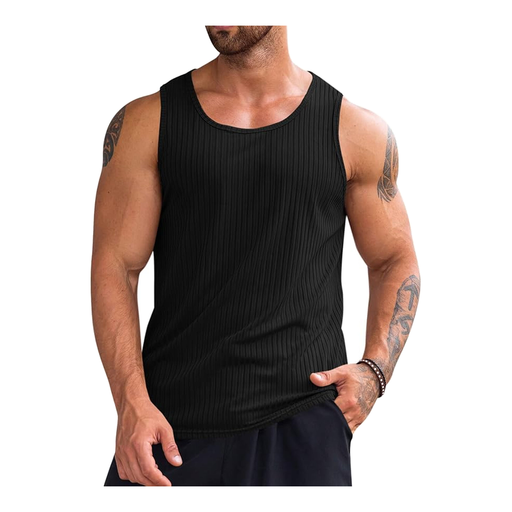
Why This Fits Their Persona: Ideal for someone whose workouts involve a mix of weightlifting, HIIT and cardio machines. They need maximum freedom of movement in the shoulders and arms, and a fabric that stretches with them.
The cotton-spandex blend is specifically chosen for stretch and a skin-friendly feel, avoiding the chafing and restriction that can come from poorly fitted, non-stretch tops.
The sleeveless design offers unrestricted arm mobility and superior cooling for intense indoor sessions. Its ribbed texture provides a comfortable, body-contouring fit.

Why This Fits Their Persona: This athlete is focused on long-distance running or competitive events where every gram matters. They need the most technical, lightweight and breathable gear to optimise performance.
It counters the durability deception with specified anti-pilling and anti-snag ratings, and its detailed description of an 85 GSM micro-porous fabric proves it's a true performance top, not just thin material.
Extremely lightweight construction (a large size weighs under 99g) reduces burden. The technical hollow-core fabric offers superior moisture management for intense, prolonged activity.
We have compiled a complete, real-time list of products that fully satisfy these strict selection criteria and UK safety regulations.
Retained odour is a common issue with synthetic fabrics. To combat this, wash the t-shirt as soon as possible after a workout. Avoid using fabric softeners, as they can clog the fabric's fibres and trap bacteria, reducing moisture-wicking performance. For persistent smells, washing with a sports-specific detergent or occasionally adding a cup of white vinegar to the rinse cycle can help break down odour-causing bacteria.
While there is overlap, a dedicated running t-shirt often has features prioritised for endurance and outdoor activity. This includes strategically placed seams to prevent chafing from repetitive arm swings, extremely lightweight materials for long distances and sometimes reflective details for visibility in low light. A men's gym top may prioritise stretch and durability for a wider range of movements, such as weightlifting.
The ideal fit should be what is often called 'athletic' or 'regular' fit—it should skim the body without being restrictive. A t-shirt that is too tight can constrict your breathing and movement, while one that is too loose can billow and cause chafing from excess fabric rubbing against your skin. Check that the shoulder seams sit on your shoulder bone and the length is sufficient to prevent it from riding up during your run.