
24/7 Customer Support

Free returns

Same-day & Next-day Delivery

Quality Guaranteed

Unlock Your Welcome Offers: FREE Delivery | Up to 80% OFF | Free 30-day JoyPlus trial
Download the APP
Choosing the right pair of men's trainers can feel like navigating a minefield of marketing hype and endless options. A poor choice doesn't just lead to buyer's remorse; it can lead to discomfort and footwear that wears out long before it should. As your Joybuy Product Recommendation Officer, my role is to help you sidestep the common pitfalls and focus on what truly matters for your feet and your wallet.
Before you add another pair to your basket, let's look at the frequent mistakes that UK buyers make.
lifestyle trainers is impractical for a sudden downpour.To make a smart purchase, you need to look beyond the brand name and colour. Focus on these three non-negotiable technical specifications.
The midsole is the layer of foam between the outsole (that touches the ground) and your foot. It's responsible for shock absorption and comfort.
The outsole is the durable rubber layer that makes contact with the surface. Its design determines grip and longevity.
The upper is everything above the sole. The right material depends entirely on your intended use.
Instead of a generic list, we've matched specific trainers to the people who will get the most out of them.
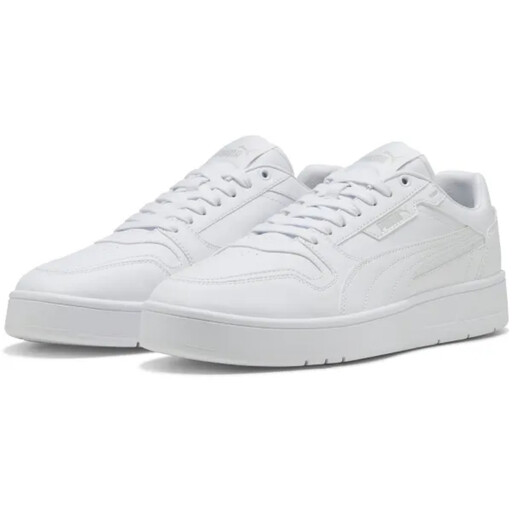
Why This Fits Their Persona: This user needs a versatile, clean-looking trainer for daily commutes, weekend outings and casual social events. The minimalist, tennis-inspired design pairs effortlessly with jeans, chinos or shorts, making it a wardrobe staple.
It avoids the "style over substance" trap by being an authentic lifestyle trainer, not a performance shoe in disguise. Its durable rubber cupsole is designed for everyday walking, sidestepping the flimsy sole issue.
Its key advantage is its timeless versatility. The synthetic leather upper is easy to maintain, and the padded collar provides reliable all-day comfort for non-athletic use.
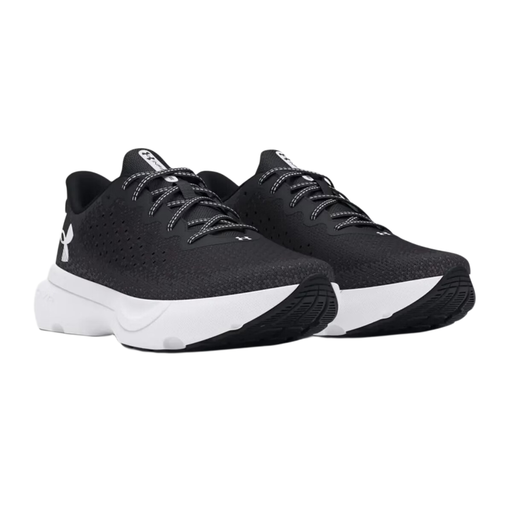
Why This Fits Their Persona: This user logs miles on pavements and treadmills. They need performance, breathability and cushioning to protect their joints and keep their legs feeling fresh. This is a purpose-built tool for their hobby.
It directly counters the pitfalls by prioritising function. The advanced knit upper avoids the "wrong material" trap by offering excellent breathability, while the UA HOVR midsole is a direct solution to the "one-sole-fits-all" myth.
The UA HOVR cushioning system is the standout feature, reducing impact and returning energy. The durable rubber outsole is designed for longevity and traction on common running surfaces.
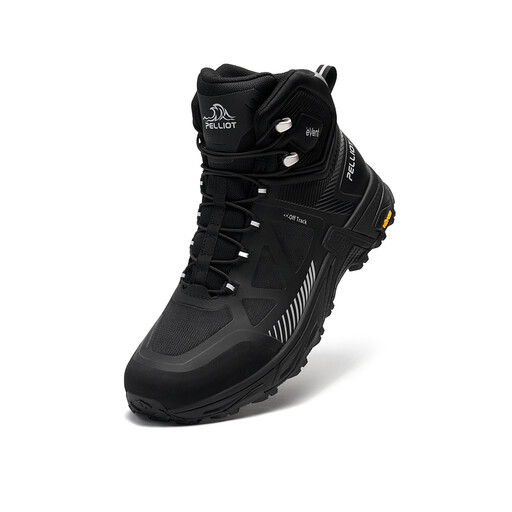
Why This Fits Their Persona: This individual explores the UK's national parks and coastal paths. They need footwear that can handle mud, wet rock and uneven ground, providing stability, waterproofing and robust protection from the elements.
This boot is the antithesis of the "style over substance" trap. Its aggressive lug pattern demolishes the "one-sole-fits-all" myth, and its waterproof, abrasion-resistant upper is the perfect material choice for its intended environment.
Its primary advantage is hardcore protection and traction. The specialised outsole provides outstanding grip on challenging surfaces, while the protective toe cap and waterproof membrane keep your feet safe and dry.
We have compiled a complete, real-time list of products that fully satisfy these strict selection criteria and UK safety regulations.
A general guideline for dedicated men's running shoes is to replace them every 300 to 500 miles. For a person running 15 miles per week, this translates to roughly every 5 to 8 months. Visually, look for significant wear on the outsole tread and check if the midsole feels flat or less responsive.
While you can for very short distances, it's not recommended. Gym shoes for men are typically designed with flatter, more stable soles to support lateral movements (like in HIIT classes) and weightlifting. They lack the forward-motion cushioning and durable outsole needed for the repetitive impact of running on hard surfaces like pavement.
The primary difference is purpose. Lifestyle trainers, like many classic Puma trainers, are designed for aesthetics, casual comfort and daily wear. Their construction prioritises style and basic durability. Performance trainers, such as Under Armour running shoes, are engineered for a specific sport. They feature advanced technologies like specialised cushioning, breathable materials and activity-specific support systems to enhance performance and reduce the risk of injury.