
24/7 Customer Support

Free returns

Same-day & Next-day Delivery

Quality Guaranteed

Unlock Your Welcome Offers: FREE Delivery | Up to 80% OFF | Free 30-day JoyPlus trial
Download the APP
Choosing the right pair of men's trainers can feel like a complex task. With countless models available, each promising unique benefits, it is easy to feel overwhelmed. The right footwear is more than just an accessory; it is a crucial piece of equipment that supports your performance, enhances comfort and helps prevent injury. An unsuitable pair can hold you back, whether you are pounding the pavement, lifting weights in the gym, or tackling a weekend trail.
This guide is designed to cut through the marketing clutter. We will walk you through the key factors to consider when selecting your next pair of trainers and highlight a few standout options for different activities. Our goal is to provide clear, practical information to help you find footwear that genuinely matches your fitness needs.
Before looking at specific models, understanding the fundamentals will help you make a more informed decision. Focus on these three areas to narrow down your search.
Not all trainers are created equal. A shoe designed for long-distance running will have different features from one built for gym sessions.
Using a running shoe for weightlifting can lead to instability, while using a rigid gym shoe for a 10k run may lack the necessary cushioning.
The midsole is the engine of a trainer, providing cushioning and stability. The right amount depends on your activity and personal preference.
The materials used in a trainer's upper affect its weight, durability and comfort. Modern lightweight trainers often use engineered mesh or woven fabrics. These breathable sports shoes allow air to circulate, keeping your feet cooler and drier during intense exercise. For activities like trail running or rope climbs, look for uppers with durable overlays (like TPU films) that resist abrasion.
Here are a few recommendations that cater to different fitness goals, selected for their specific features and intended use.
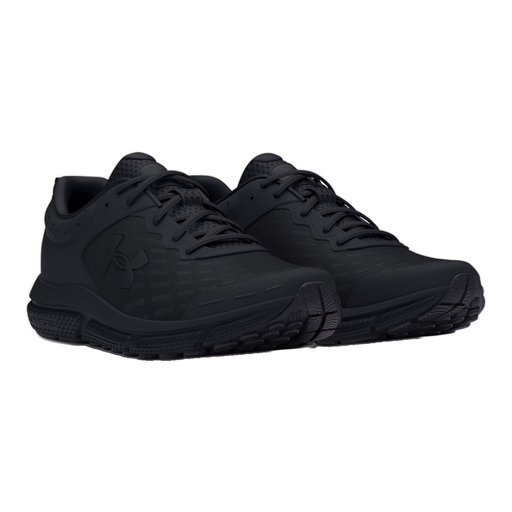
Why It Stands Out: This shoe is a versatile workhorse for runners. It balances responsive cushioning with durability, making it a reliable choice for daily miles. The design focuses on providing a comfortable and protected ride without adding unnecessary weight.
Pros:
Who is it for? Neutral runners looking for a dependable and comfortable pair of men's running shoes for road running and daily training sessions.
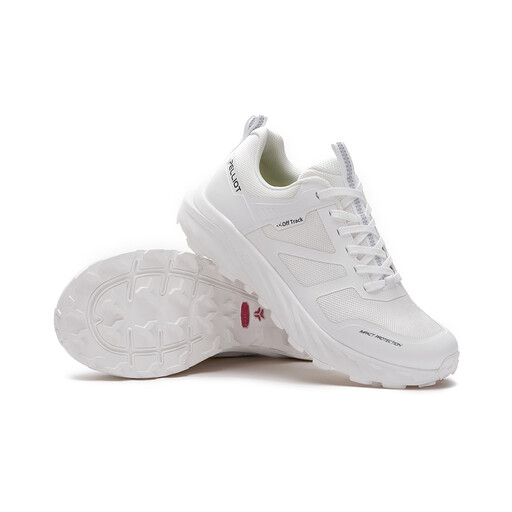
Why It Stands Out: Engineered for versatility, this shoe excels in transitioning from urban pavements to natural trails. Its standout feature is the aggressive outsole, designed to provide reliable traction on unpredictable surfaces, making it a true all-terrain running shoe.
Pros:
Who is it for? Adventurous runners who split their time between roads and trails and need a single, lightweight shoe that can handle both with confidence.
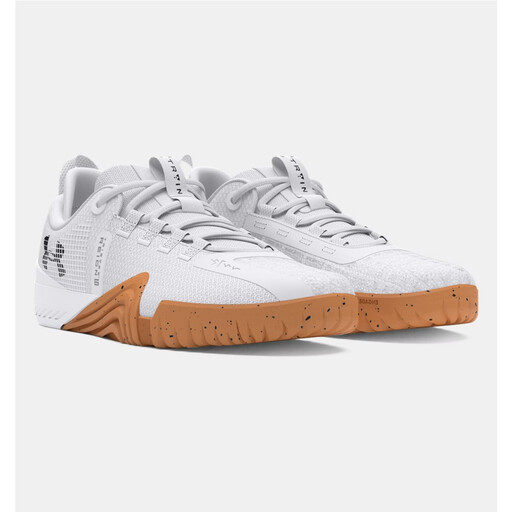
Why It Stands Out: As a dedicated training shoe, the Reign 6 is all about stability and ground connection. It incorporates Under Armour trainers technology specifically designed to support you through heavy lifts and explosive, multi-directional movements.
Pros:
Who is it for? Individuals focused on gym workouts, including weightlifting, functional fitness and HIIT, who require maximum stability and durability from their gym trainers for men.
The trainers highlighted here are just a starting point, each tailored for a specific purpose. If your priority is finding footwear that offers maximum airflow and a lightweight feel for general fitness or warm-weather activities, you may want to explore a wider variety.
For a broader selection of lightweight and breathable footwear, explore our full range of mesh shoes.
1. Can I use running shoes for gym workouts? While you can for light cardio, it is not recommended for weightlifting or agility training. Running shoes are designed for forward motion and often have soft, thick soles that can feel unstable during lateral movements or under a heavy load. Dedicated cross training shoes provide a flatter, more stable platform for better support and power transfer.
2. How often should I replace my trainers? A general guideline for running shoes is every 300-500 miles. However, this varies based on your body weight, running surface and gait. For gym trainers, look for signs of wear like a compressed midsole, worn-down outsole treads or a breakdown in upper support. If the shoe no longer feels supportive or comfortable, it is time for a new pair.
3. What is 'offset' or 'drop' in a trainer? The offset (or drop) is the height difference between the shoe's heel and forefoot, measured in millimetres. A higher drop (e.g., 10mm on the UA Charged Assert 10) can favour heel strikers and reduce strain on the Achilles tendon. A lower drop (e.g., 2mm on the UA Reign 6) promotes a more natural, midfoot stance and provides a more stable, grounded feel, which is beneficial for lifting.