
24/7 Customer Support

Free returns

Same-day & Next-day Delivery

Quality Guaranteed

Unlock Your Welcome Offers: FREE Delivery | Up to 80% OFF | Free 30-day JoyPlus trial
Download the APP
Finding the right pair of men's trainers can feel like navigating a minefield of marketing claims and confusing technical jargon. A poor choice doesn't just lead to discomfort; it can mean wasted money on a pair that wears out prematurely or isn't suited for your lifestyle. As a Product Recommendation Officer, I see users fall into the same traps time and again. Before you buy your next pair, let's look at the common pitfalls to avoid.
To make an informed choice, focus on these core components. Understanding them will help you match a pair of trainers to your specific needs, whether you're looking for men's running shoes or versatile casual sneakers for men.
The midsole is responsible for cushioning and stability. It's where most of the shoe's technology resides.
The upper holds your foot in place. The material directly impacts comfort, fit and how the shoe performs in different conditions.
The outsole must provide traction and withstand abrasion.
Instead of a generic list, we've matched specific trainers to different user needs. This helps ensure the shoe you choose is fit for its intended purpose.

Why This Fits Their Persona: This is a prime example of a versatile Puma Court Classic. Its clean, minimalist design makes it a perfect match for the modern man's wardrobe, pairing effortlessly with jeans, chinos or shorts for a polished yet relaxed look around town.
It sidesteps the "one-shoe-for-everything" trap by excelling at its intended purpose: all-day casual wear. It doesn't pretend to be a performance running shoe, focusing instead on style and walking comfort.
Its key advantage is its timeless aesthetic combined with a durable rubber cupsole and padded collar, providing reliable comfort and traction for daily urban life.
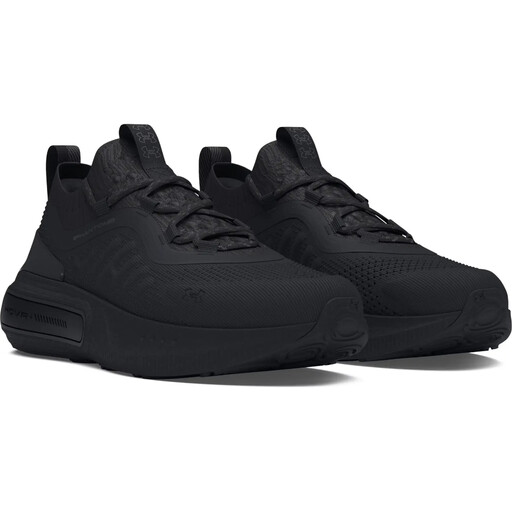
Why This Fits Their Persona: For the man who regularly pounds the pavement, these Under Armour shoes are built for performance. They are specifically designed as men's running shoes, providing the features needed to support road running, from short jogs to longer distances.
This shoe directly addresses the midsole pitfall. According to the brand, its UA HOVR cushioning system is engineered to absorb impact and provide energy return, offering a tangible performance benefit over generic foams found in less specialised trainers.
The combination of a high-performance cushioning system and a breathable, engineered upper provides a comfortable and responsive ride. These sleek black trainers deliver on both function and style.
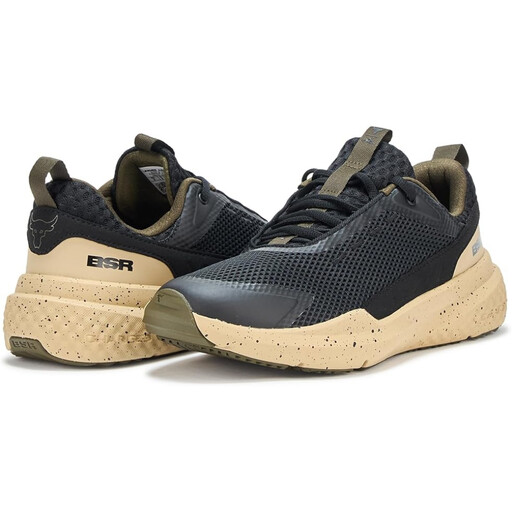
Why This Fits Their Persona: This is a purpose-built gym training shoe. It's designed for the person who needs a stable platform for lifting weights, but also requires flexibility and cushioning for dynamic movements like box jumps or HIIT circuits.
It directly counters the outsole and "one-shoe-for-everything" pitfalls. Its grippy, flat outsole provides superior traction on gym floors, offering the stability that heavily cushioned running shoes lack during heavy lifts.
The shoe offers a durable construction with a breathable mesh upper to handle intense sessions. Its main benefit is the balance between a supportive base and responsive cushioning, making it highly versatile within a gym environment.
And for those with a specific sport in mind, like football, finding the right footwear is just as crucial.
We have compiled a complete, real-time list of products that fully satisfy these strict selection criteria and UK safety regulations.
There is no fixed timeline, as it depends on usage, your weight and the surfaces you use them on. Look for signs of wear: the midsole feels flat and less supportive, the tread on the outsole is visibly worn down, or the upper is stretched and no longer holds your foot securely. For running shoes used regularly, this could be every 300-500 miles. Casual trainers will typically last much longer.
While you can, it's not ideal, especially for weightlifting. Running shoes often have thick, soft cushioning and a higher heel-to-toe drop to absorb impact. This can create an unstable surface when you're lifting heavy weights, increasing the risk of injury. A dedicated gym training shoe with a flatter, more stable sole is a safer choice.
In the United Kingdom, "trainers" is the most common term for athletic-style footwear used for sports or casual wear. "Sneakers" is the equivalent term used more frequently in the United States. For all practical purposes, when discussing casual sneakers for men in the UK, the terms are interchangeable.