
24/7 全天候客户支持

免费退货

当日/次日达

品质保障

开启新人专享福利: 全场免邮 | 低至 2 折 | 免费试用 30 天 JoyPlus 会员
下载 Joybuy
Finding the right pair of men's training shoes can feel like a workout in itself. The market is filled with options, each claiming to be the perfect fit for your fitness routine. But the truth is, the trainers you wear for a heavy lifting session are very different from the ones you'd choose for a high-intensity class or for everyday casual wear. Using the wrong shoe not only hinders performance but can also lead to discomfort.
As a Joybuy Product Recommendation Officer, my role is to help you navigate these choices. This guide cuts through the clutter, offering practical advice to help you identify what you truly need. We will look at key features to consider and highlight a few standout options for different activities, from dedicated gym work to relaxed weekend outings.
Before jumping into specific products, let's establish what separates a great training shoe from an average one. Keep these three points in mind during your search.
Not all workouts are created equal, and your footwear should reflect that.
The engine of any training shoe is its sole. It’s typically made of two key parts: the midsole and the outsole.
The upper part of the shoe secures your foot. The material choice affects breathability, support and durability. A lightweight, breathable mesh is excellent for keeping your feet cool, while structured overlays made from materials like suede or TPU (thermoplastic polyurethane) add support and durability where it's needed most.
Based on the criteria above, here are a few recommendations from our current selection that cater to different needs and styles.
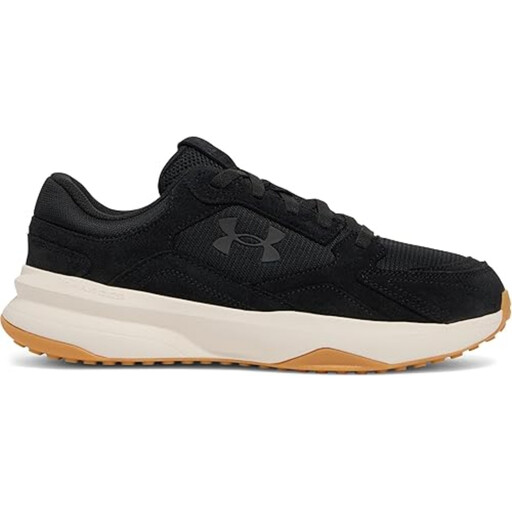
Why It Stands Out: The UA Edge Suede is a masterclass in blending athletic comfort with street-ready style. It moves effortlessly from a light gym session to a casual day out. The upper combines plush suede with breathable mesh, offering a premium look without sacrificing comfort. Its chunky yet lightweight sole provides supportive cushioning that makes it ideal for all-day wear.
Pros:
Who is it for? This is the perfect choice for the man who wants a stylish, comfortable trainer for everyday life, light errands and casual social settings, rather than intense athletic performance.
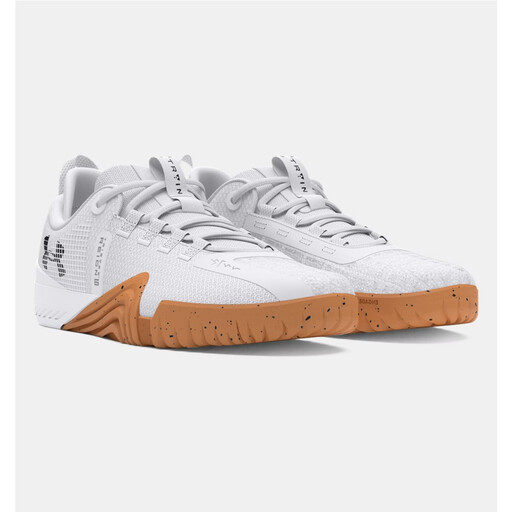
Why It Stands Out: The Reign 6 is a purpose-built performance shoe designed for serious training. It features UA WARP upper technology, which provides a secure lockdown feel during explosive movements. Its stability is enhanced by the updated UA TriBase technology, maximising ground contact for heavy lifts. The dual-density midsole provides a smart balance: softer in the forefoot for comfort during dynamic exercises and firmer at the heel for a stable lifting platform.
Pros:
Who is it for? This is for the dedicated athlete and gym enthusiast whose routine includes a mix of heavy weightlifting, CrossFit-style workouts and high-intensity interval training. If you're looking for uncompromising performance in your men's gym shoes, this is a strong contender.
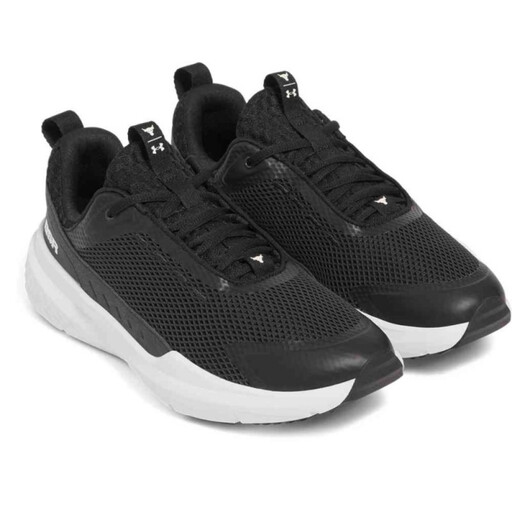
Why It Stands Out: Approved by Dwayne "The Rock" Johnson, the Project Rock BSR 5 is built for those who train with intensity. It combines a lightweight, breathable mesh upper with suede overlays for a mix of ventilation and structured support. The Charged Cushioning midsole excels at absorbing impact and returning energy, making it highly suitable for dynamic workouts. This is complemented by the UA TriBase outsole, which ensures you stay grounded and stable during lifts.
Pros:
Who is it for? These Under Armour trainers for men are aimed at the high-energy individual who wants a single pair of shoes that can handle both strength training and explosive cardio, all while making a bold style statement.
While these three models cover a wide range of needs, they are just a starting point. Every foot and every fitness journey is unique. If you haven't found your perfect match here, we invite you to explore our complete collection.
? Explore our full range of Men's Training Footwear
1. Can I use my running shoes for gym training? It is generally not recommended. Running shoes are designed for forward motion and typically have significant cushioning and a higher heel-to-toe drop. This can create an unstable surface for weightlifting and lateral movements, increasing the risk of injury. Training shoes provide a flatter, more stable base better suited for gym activities.
2. How do I know when to replace my gym shoes? Look for clear signs of wear. If the tread on the outsole is worn smooth, the midsole feels compressed and less supportive or there are tears in the upper, it's time for a new pair. As a general rule, if you train several times a week, consider replacing your shoes every 8-12 months to ensure you're getting the support you need.