
24/7 Customer Support

Free returns

Same-day & Next-day Delivery

Quality Guaranteed

Unlock Your Welcome Offers: FREE Delivery | Up to 80% OFF | Free 30-day JoyPlus trial
Download the APP
Choosing menstrual products is rarely as simple as picking the most familiar packet on the shelf. Flow can change from day to day, while comfort, skin sensitivity, school, work, travel and overnight needs all affect which option works in practice.
Marketing can also make comparison difficult. A larger pack is not automatically better value if the absorbency is unsuitable, and phrases such as “natural”, “breathable” or “leak protection” need to be checked against the actual materials, size and usage instructions. This guide explains the specifications that matter and highlights suitable options for different UK shoppers.
A higher absorbency does not necessarily provide greater comfort. With tampons, using the lowest absorbency suitable for your flow is important. An unnecessarily high absorbency may feel uncomfortable and can make removal more difficult.
Look for products labelled regular, super or super plus, and match the choice to your actual flow rather than choosing the largest option available. Change tampons according to the pack instructions, commonly every 4 to 8 hours, or sooner if saturated. Always read the enclosed information about Toxic Shock Syndrome (TSS).
Organic cotton, compostable wrappers and reusable designs can reduce certain types of waste, but the whole product still matters. Check whether an applicator is plastic or cardboard, whether the product is single-use and how it should be disposed of.
Reusable period products also have an ongoing care routine. A menstrual cup needs washing and sterilisation, while period pants need rinsing and laundering. Consider access to clean water, private facilities and drying space before buying.
A thin daytime sanitary pad may not provide the coverage needed at night. Similarly, a compact non-applicator tampon may be convenient for travel, but a first-time user may prefer an applicator or an external option.
Rather than buying one large mixed pack immediately, consider trialling a product for the specific use case: school or work, sport, heavy-flow days, overnight protection or travel.
For tampons, compare the absorbency category and follow the manufacturer’s guidance. Regular absorbency tampons are generally intended for light to medium flow, while heavy flow tampons may be labelled super or super plus. Pack sizes and absorbency ratings are not interchangeable, so check both.
For sanitary pads, compare length, width, wings and whether the product is designed for day or night use. Longer pads with wings can provide more coverage during sleep, but fit depends on underwear and sleeping position.
People looking for sensitive skin menstrual products may prefer fragrance-free and dye-free options. Check the ingredient list rather than relying only on front-of-pack wording. Some products use cotton topsheets, while absorbent cores may contain wood pulp, rayon, viscose or superabsorbent polymers.
Organic tampons can be suitable for shoppers who specifically want certified organic cotton. However, “organic” does not remove the need to follow changing instructions or check the applicator and wrapper materials.
A menstrual cup made from silicone can be reused, but it must be inserted, emptied, washed and sterilised correctly. The right size is also important. A smaller cup may be designed for teenagers or first-time users, while other sizes may suit different body or flow requirements.
Period pants are worn like underwear and washed after use. Check the recommended wearing time, washing temperature and whether fabric softener or bleach should be avoided, as these can affect absorbency.
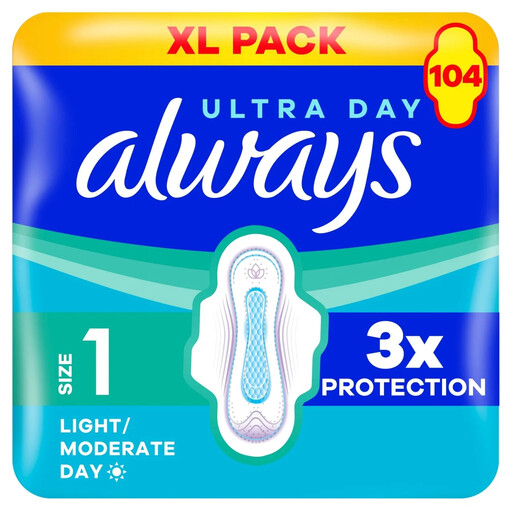
Why This Fits Their Persona: A large 104-pad pack offers a practical disposable option for regular daytime use at home, school or work, particularly for shoppers prioritising a ready supply.
The Normal Size 1 format is clearly specified for ordinary daily flow, reducing the risk of buying an oversized night pad for daytime use.
Ultra-thin construction, adhesive backing and a large pack size for routine external period protection.
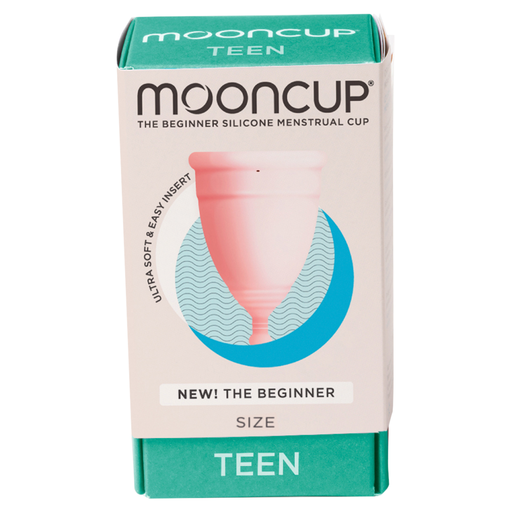
Why This Fits Their Persona: A tapered, smaller design is intended for teenagers and first-time menstrual cup users who want to explore reusable period products.
It states the material, size and cleaning process clearly, so buyers can consider fit and maintenance rather than relying on vague sustainability wording.
Made from 100% medical-grade silicone and designed for cleaning and reuse; the stated wear time is up to 8 hours.
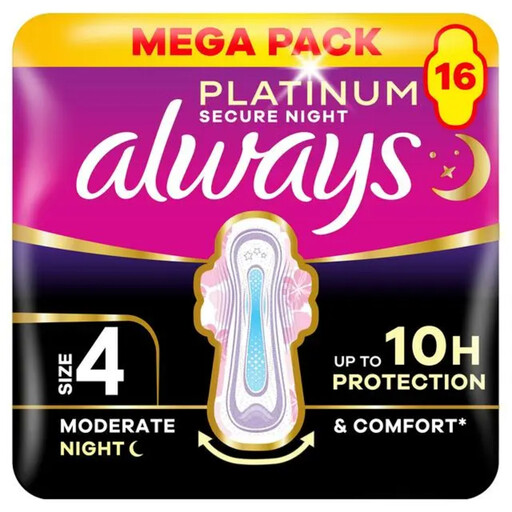
Why This Fits Their Persona: A longer Size 4 pad with wings is intended for overnight protection and shoppers who need more coverage during medium to heavy flow.
The product is specifically labelled for night use, rather than presenting a standard daytime pad as suitable for every sleeping position.
Extended coverage, flexible wings and an absorbent core designed for medium to heavy flow.
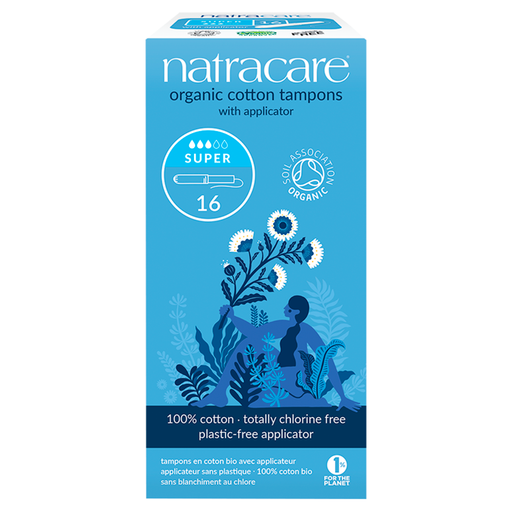
Why This Fits Their Persona: Suitable for shoppers seeking organic tampons with an applicator for medium to heavy flow days and a plastic-free period-care format.
The listing identifies certified organic cotton, a cardboard applicator and the absence of perfume and dyes, making the material choice easier to assess.
100% certified organic cotton, a biodegradable cardboard applicator and super absorbency rated at 9–12g.
We have compiled a complete, real-time list of products that fully satisfy these strict selection criteria and UK safety regulations.
There is no universal choice. Sanitary pads are externally worn and require no insertion. Tampons with applicators may feel more straightforward for some users, while a smaller menstrual cup such as a teen-sized design may suit someone prepared to learn folding, insertion and cleaning. Follow the product instructions and stop using any product that causes persistent discomfort or irritation.
Lifespan varies by product, care routine and manufacturer guidance. A silicone menstrual cup is designed for repeated use when cleaned and sterilised correctly. Washable period pants should be checked for their stated wash-life; the Bodyform Cotton Period Pants listing states performance for over 50 washes. Avoid fabric softener and bleach where the instructions advise against them.
Look for a product labelled for night use, with extended length, wings or fuller rear coverage. Some people combine a night pad with period pants for additional reassurance, but the arrangement should remain comfortable and products should be changed according to their instructions. For a reusable option, check the garment’s stated flow suitability and maximum wearing time rather than assuming it replaces every other form of protection.